VILLAGE CREEK SOCIETY: HOW THE NON-PROFIT GROUP IMPROVES QUALITY OF LIFE FOR BIRMINGHAM RESIDENTS
by Ariel Worthy
Birmingham Times
June 8, 2017
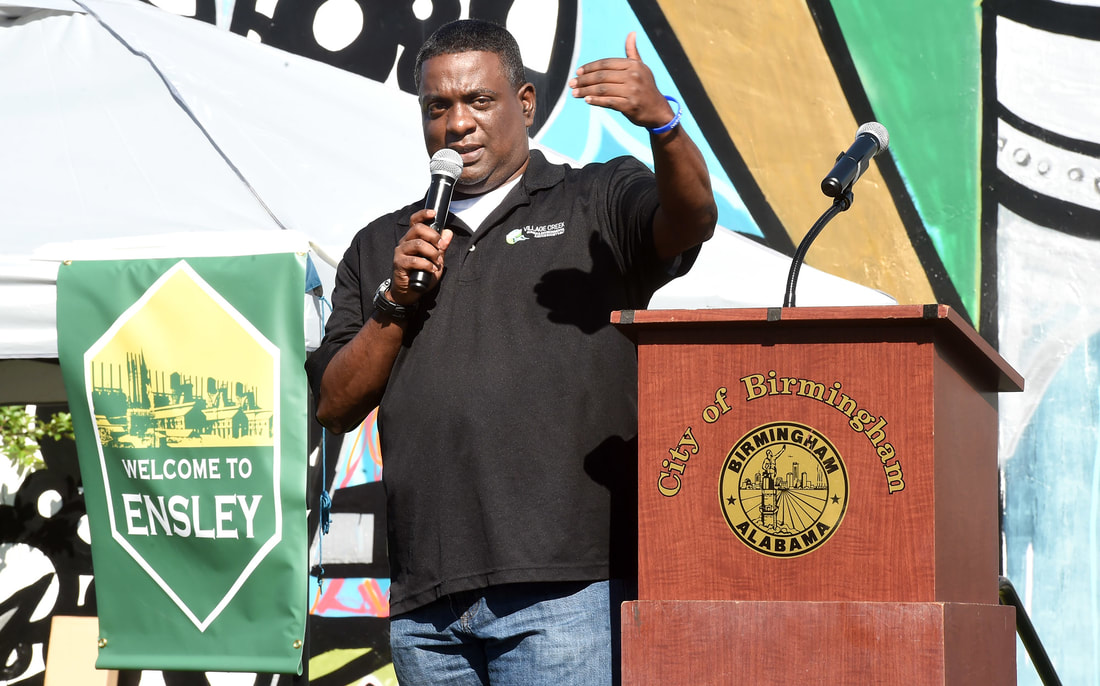
Yohance Owens, executive director of the Village Creek Society, speaks before the start of a clean up of the downtown Ensley area of Birmingham, Ala., Saturday, May 6, 2017. (Photo by Mark Almond)
OThere was a time when as much as four to eight feet of water would flood homes in the Ensley community, forcing dozens of residents along Village Creek to be rescued by canoes and boats. Federal emergency officials would sweep into Birmingham, move people from homes, and clear the site along the creek because of the chronic flooding.
“From the late 1980s to the early 2000s, there was a huge flight of people moving away from those areas,” said Yohance Owens, executive director of the Village Creek Human and Environmental Justice Society Inc., commonly called the Village Creek Society (VCS), a nonprofit organization founded in 1980 and incorporated in 1999.
The VCS not only wants those residents to return but also hopes businesses will move into the area.
“We have to have businesses that want to be part of these communities near the creek,” Owens said.
Village Creek runs 44 miles from Roebuck Springs and the East Lake area through North Birmingham and down to the Black Warrior River. Known as the largest urban watershed in Alabama, the creek used to flood continually and cause significant destruction for residents along its path.
The VCS’s mission is to improve the entire length of Village Creek to benefit the 300,000-plus residences, businesses, schools, and churches in its watershed.
The water still rises today, but flooding is not as bad as it used to be. And the VCS now wants to attract residents and businesses, and improve the quality of life along the creek through efforts to stabilize water banks, as well as through cleanups, education, workshops, trails, parks, and outdoor classrooms. It’s a herculean task, and Owens knows it begins with education.
Education
Environmental issues are even more critical with President Donald Trump on June 1, pulling the U.S. out of the Paris climate accord, an agreement within the United Nations Framework Conventions on Climate Change (UNFCCC).
To encourage young people to be good stewards of the environment, the VCS provides outdoor classrooms for after-school programs and works with area schools on cleanup projects.
“We need folks who really care about our environment, like the students who are coming up now,” Owens said. “We want to have classes by the creek and get students outside, but we also want to make sure we have a structured environment for them.”
Attorney Gregory Cade, principal of the Environmental Litigation Group, a Birmingham area law firm, said VCS’s work is vitally important and residents should assist.
“If you’re an African American and you live in North Birmingham and Village Creek is an area where there’s notable pollution, you would want to try to keep it clean because these creeks are running right through your community,” said Cade, who is also an industrial hygienist, registered environmental manager.
“From the late 1980s to the early 2000s, there was a huge flight of people moving away from those areas,” said Yohance Owens, executive director of the Village Creek Human and Environmental Justice Society Inc., commonly called the Village Creek Society (VCS), a nonprofit organization founded in 1980 and incorporated in 1999.
The VCS not only wants those residents to return but also hopes businesses will move into the area.
“We have to have businesses that want to be part of these communities near the creek,” Owens said.
Village Creek runs 44 miles from Roebuck Springs and the East Lake area through North Birmingham and down to the Black Warrior River. Known as the largest urban watershed in Alabama, the creek used to flood continually and cause significant destruction for residents along its path.
The VCS’s mission is to improve the entire length of Village Creek to benefit the 300,000-plus residences, businesses, schools, and churches in its watershed.
The water still rises today, but flooding is not as bad as it used to be. And the VCS now wants to attract residents and businesses, and improve the quality of life along the creek through efforts to stabilize water banks, as well as through cleanups, education, workshops, trails, parks, and outdoor classrooms. It’s a herculean task, and Owens knows it begins with education.
Education
Environmental issues are even more critical with President Donald Trump on June 1, pulling the U.S. out of the Paris climate accord, an agreement within the United Nations Framework Conventions on Climate Change (UNFCCC).
To encourage young people to be good stewards of the environment, the VCS provides outdoor classrooms for after-school programs and works with area schools on cleanup projects.
“We need folks who really care about our environment, like the students who are coming up now,” Owens said. “We want to have classes by the creek and get students outside, but we also want to make sure we have a structured environment for them.”
Attorney Gregory Cade, principal of the Environmental Litigation Group, a Birmingham area law firm, said VCS’s work is vitally important and residents should assist.
“If you’re an African American and you live in North Birmingham and Village Creek is an area where there’s notable pollution, you would want to try to keep it clean because these creeks are running right through your community,” said Cade, who is also an industrial hygienist, registered environmental manager.
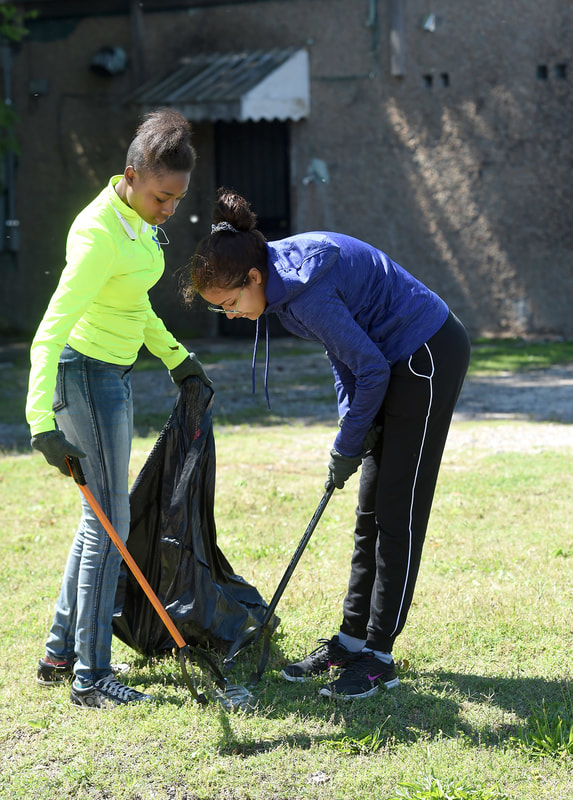
up trash in the downtown Ensley area of Birmingham, Ala., Saturday, May 6, 2017. (Photo by Mark Almond)
“The black community itself has, for a number of years, been a community where they try to talk about our diseases are high in our community, but in my opinion, I think about 60 percent of the diseases we see are related to environmental exposure,” he said. “You should be concerned about what you’re being exposed to so you don’t contract any of those diseases.”
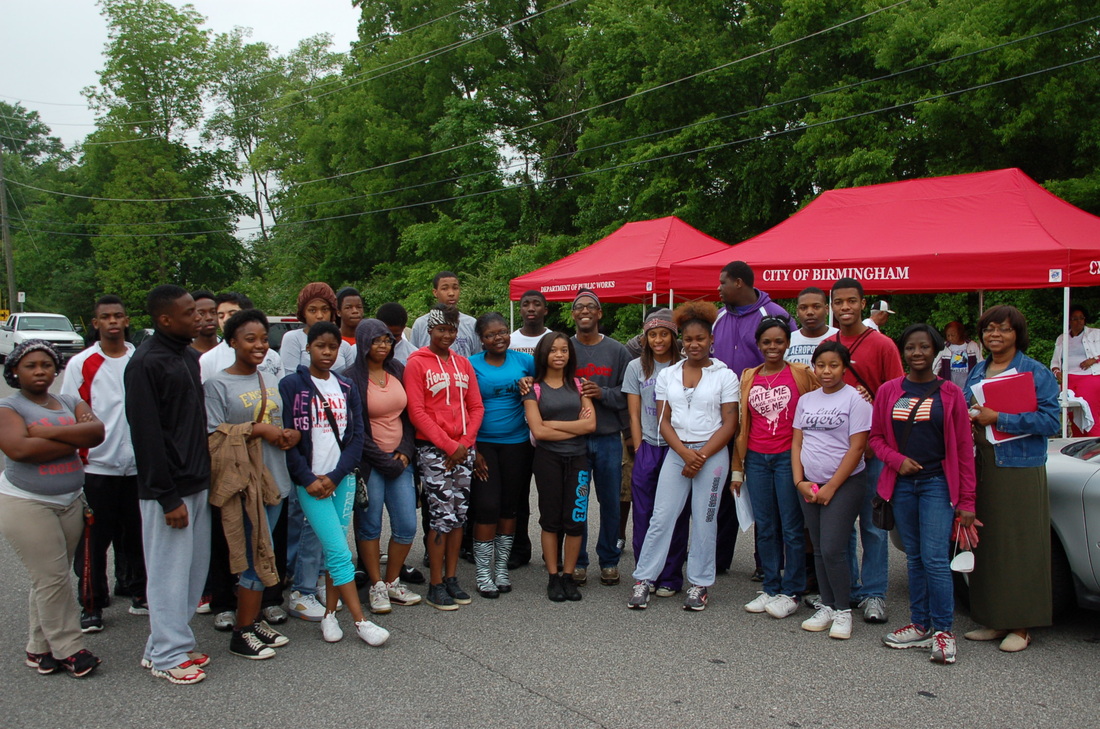
On May 6 more than 60 students came out on a Saturday morning for the VCS’s Ninth Annual Spring Cleanup and the Ensley Neighborhood Flag Dedication; this was the kickoff event for the Neighborhood Love Your Block project.
“The older you get and go into adulthood, you’re going to realize that community service is a very strong aspect of our society,” said Owens.
Last month’s gathering attracted students like 16-year-old Maalik Camp, who recently completed his sophomore year at Birmingham’s George W. Carver High School.
“It’s always good to help the community out,” Camp said. “I’m from Ensley. This is my neighborhood, so I think it’s very important to revive it. … It can be better than what people think it is.”
By cleaning up their own neighborhoods, students learn the importance of giving back to the community, Camp said: “Giving back can look different than what most people expect. This is our way of giving back.”
One of Camp’s teachers, Maria Reese, said she has worked with the VCS every year since 2003 and decided to involve her students, who earn community service hours for participating in cleanup events.
“I’m a stickler for recycling,” said Reese, a history teacher at Carver High. “I hate to see trash in our neighborhood, especially our own. If we can do anything to prevent that by simply cleaning up, I’m all for it.”
Clara Almeida, 16, another Carver student, said the project was a way to get students involved in activities outside of school.
“This shows them how important it is to be part of your community,” she said. “School activities are great, but we still live in an environment that we can get involved in.
“I hope people will stop littering,” Almeida added. “When people see us out here doing this work, I hope it makes them change their minds about just throwing stuff on the ground.”
On May 6 more than 60 students came out on a Saturday morning for the VCS’s Ninth Annual Spring Cleanup and the Ensley Neighborhood Flag Dedication; this was the kickoff event for the Neighborhood Love Your Block project.
“The older you get and go into adulthood, you’re going to realize that community service is a very strong aspect of our society,” said Owens.
Last month’s gathering attracted students like 16-year-old Maalik Camp, who recently completed his sophomore year at Birmingham’s George W. Carver High School.
“It’s always good to help the community out,” Camp said. “I’m from Ensley. This is my neighborhood, so I think it’s very important to revive it. … It can be better than what people think it is.”
By cleaning up their own neighborhoods, students learn the importance of giving back to the community, Camp said: “Giving back can look different than what most people expect. This is our way of giving back.”
One of Camp’s teachers, Maria Reese, said she has worked with the VCS every year since 2003 and decided to involve her students, who earn community service hours for participating in cleanup events.
“I’m a stickler for recycling,” said Reese, a history teacher at Carver High. “I hate to see trash in our neighborhood, especially our own. If we can do anything to prevent that by simply cleaning up, I’m all for it.”
Clara Almeida, 16, another Carver student, said the project was a way to get students involved in activities outside of school.
“This shows them how important it is to be part of your community,” she said. “School activities are great, but we still live in an environment that we can get involved in.
“I hope people will stop littering,” Almeida added. “When people see us out here doing this work, I hope it makes them change their minds about just throwing stuff on the ground.”
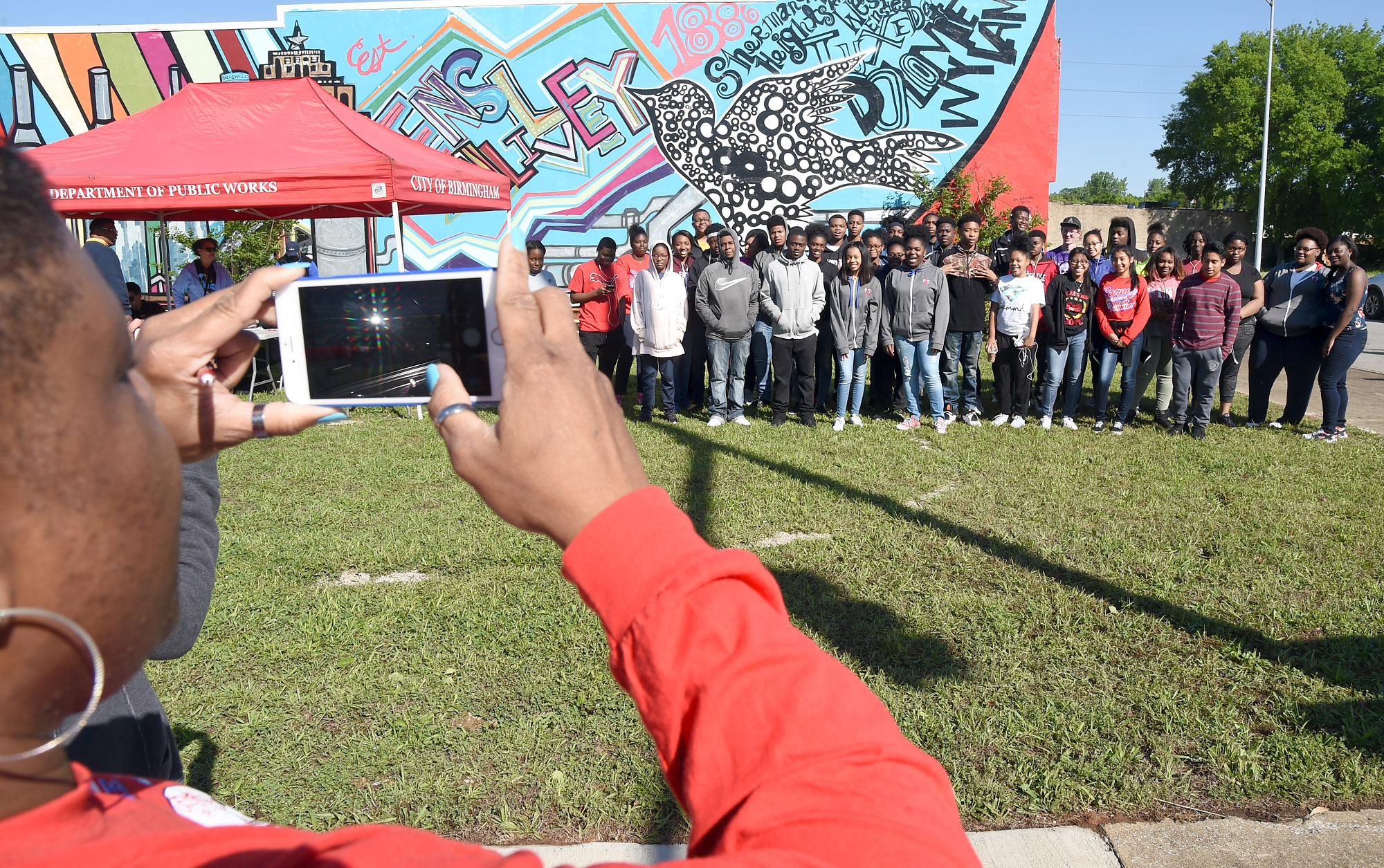
Teacher Maria Reese takes a picture of G.W. Carver High School students who participated in a clean up of the downtown Ensley area of Birmingham, Ala., Saturday, May 6, 2017. (Photo by Mark Almond)
Debate
Another way to get students involved with and concerned about environmental issues: debates. Last month, Owens spent a morning at Malachi Wilkerson Middle School debating with students about science and other topics.
Read more: Wilkerson Middle School students shine during debate about science and politics
“As an adult, it’s my responsibility to get these kids into an environment where they can showcase their talent,” Owens said. “We live in a world where everything is so negative toward younger people. … I was very proud of them.”
“I was just happy the debate was over when we got to the science part,” he said of the event. “Those kids ran over me. They are incredibly smart.”
As executive director of the VCS, Owens’s duties include more than dealing with flood-related issues. In addition to his education efforts, he works to revitalize different communities within the Village Creek watershed. In March 2016, for example, officials broke ground on the Linear Park and Trail in the Ensley area. Establishing the trail had been Owens’s goal since he took his VCS leadership position on Oct. 5, 2014.
“The property being used is a place where people once lived and had been affected by the floods so many times,” he said. “We’re turning our effort toward turning the trail into a recreational place that people don’t look at as a disparity anymore, but a place that serves as a symbol of pride.”
The revitalization is not just in Ensley: “We’re also involved in more partnerships now,” Owens said. “We have an annual East Lake cleanup, so we’re expanding our efforts.”
Keeping urban areas environmentally safe is important, but it’s a challenge is to get the community to “buy into the fact that we have to protect God’s creation,” Owens said.
“For many years, these areas have been redlined,” he said. “They put landfills in or dump hazardous waste in these areas. You can look at what’s happened in Flint, Michigan. That’s a predominantly African-American area.”
That isn’t to say that these issues don’t happen in rural areas.
“Of course, it happens there. But it’s more prevalent when Village Creek rises, and nothing is being done, and there is a neighborhood full of African-Americans who need help,” he said. “We all face the same problems, no matter what race we are.”
Owens strongly believes that there is a community of young people who are willing to help, given the proper education.
“It’s very rare to hear people talk to our children about being environmental scientists, so I want to show them how fulfilling a career like this can be,” he said. “That’s the baton I’ve picked up, and I want to utilize it.”
Another way to get students involved with and concerned about environmental issues: debates. Last month, Owens spent a morning at Malachi Wilkerson Middle School debating with students about science and other topics.
Read more: Wilkerson Middle School students shine during debate about science and politics
“As an adult, it’s my responsibility to get these kids into an environment where they can showcase their talent,” Owens said. “We live in a world where everything is so negative toward younger people. … I was very proud of them.”
“I was just happy the debate was over when we got to the science part,” he said of the event. “Those kids ran over me. They are incredibly smart.”
As executive director of the VCS, Owens’s duties include more than dealing with flood-related issues. In addition to his education efforts, he works to revitalize different communities within the Village Creek watershed. In March 2016, for example, officials broke ground on the Linear Park and Trail in the Ensley area. Establishing the trail had been Owens’s goal since he took his VCS leadership position on Oct. 5, 2014.
“The property being used is a place where people once lived and had been affected by the floods so many times,” he said. “We’re turning our effort toward turning the trail into a recreational place that people don’t look at as a disparity anymore, but a place that serves as a symbol of pride.”
The revitalization is not just in Ensley: “We’re also involved in more partnerships now,” Owens said. “We have an annual East Lake cleanup, so we’re expanding our efforts.”
Keeping urban areas environmentally safe is important, but it’s a challenge is to get the community to “buy into the fact that we have to protect God’s creation,” Owens said.
“For many years, these areas have been redlined,” he said. “They put landfills in or dump hazardous waste in these areas. You can look at what’s happened in Flint, Michigan. That’s a predominantly African-American area.”
That isn’t to say that these issues don’t happen in rural areas.
“Of course, it happens there. But it’s more prevalent when Village Creek rises, and nothing is being done, and there is a neighborhood full of African-Americans who need help,” he said. “We all face the same problems, no matter what race we are.”
Owens strongly believes that there is a community of young people who are willing to help, given the proper education.
“It’s very rare to hear people talk to our children about being environmental scientists, so I want to show them how fulfilling a career like this can be,” he said. “That’s the baton I’ve picked up, and I want to utilize it.”
WILKERSON MIDDLE SCHOOL STUDENTS SHINE DURING DEBATE ABOUT SCIENCE AND POLITICS
by Ariel Worthy
Birmingham Times
May 18, 2017
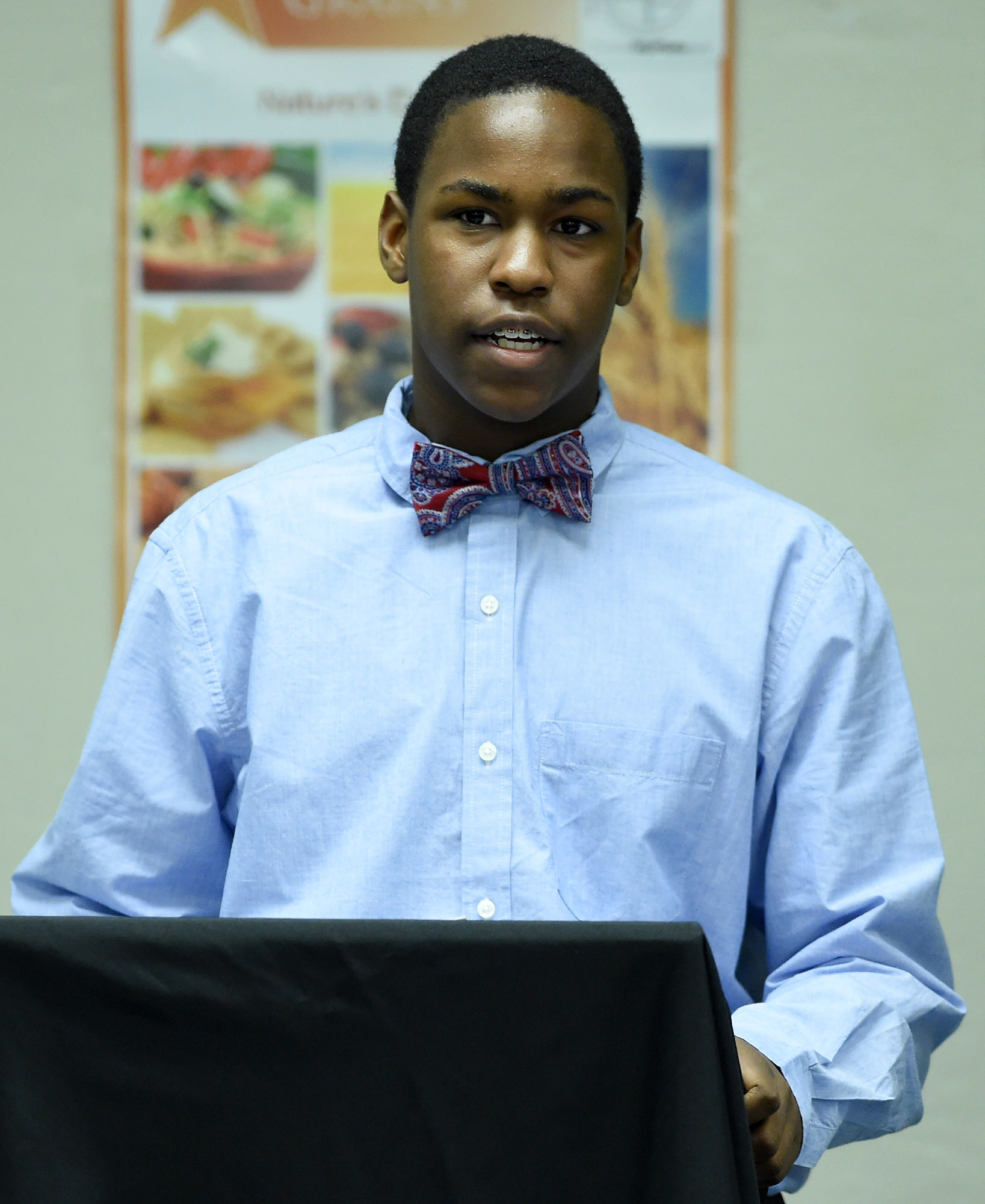
Student Bhiza Zulu argues a position during a debate of politics and science with Yohance Owens, executive director of the Village Creek Society, at Wilkerson Middle School in Birmingham, Ala., Friday, May 5, 2017. (Photo by Mark Almond)
What is ecology?
Bhiza Xulu, 14, an eighth grader at Malachi Wilkerson Middle School, answered: “Ecology is the study of how organisms interact with the environment. But, with that being said, we should look at how we as organisms—humans—interact with the environment around us. We need to see what we can do better to benefit from [the environment.]”
Xulu, a regular National Public Radio listener and MSNBC and CNN viewer, added, “The environment and politics are things we should know about, even at our age, because they affect us.”
Xulu was one of five students going up against Yohance Owens, executive director of Village Creek and Environmental Justice Society Inc., during a recent debate on science and other topics at Wilkerson. The question about ecology was one of several addressed by the students, four judges, and Owens in a lunchroom filled with middle schoolers and teachers who listened intently and took notes.
Keeping up with the issues like politics and the environment are important for another reason, as well: “As young black males, it’s a stereotypical thing for us to not pay attention, especially to politics,” said Xulu, who has partnered with fellow student Devin Mincey during debates.
“[Mincey] and I keep up with it because we enjoy learning about it,” Xulu added. “But if we can take away that stereotype and educate ourselves on politics and the environment, we can strive forward.”
Mincey said his interest in politics made the debate easy and allowed him to do something he enjoys: public speaking.
“I’m not afraid to do it,” he said. “Seeing our peers taking notes meant we said something they considered important.”
Mincey, 13, said he wants to be a police officer; he hopes to earn a lacrosse scholarship and attend Duke University in Durham, N.C, Harvard University in Boston, Mass., or Yale University in New Haven, Conn. Xulu said he wants to attend Tuskegee University and become an artist; his backup plan is to become a nuclear engineer or pediatric neurosurgeon. Both students had just returned from an academic bowl.
“[The debate is] like the math tournament, but it involves a basic knowledge of everything, including geography,” Mincey said. “I love geography. It comes easy to me. I don’t have to study for tests because I just know those types of things.”
Xulu and Mincey said they would like more tests in science and math.
“It’s really easy, so I would like more of a challenge, for it to be harder,” Xulu said.
Bhiza Xulu, 14, an eighth grader at Malachi Wilkerson Middle School, answered: “Ecology is the study of how organisms interact with the environment. But, with that being said, we should look at how we as organisms—humans—interact with the environment around us. We need to see what we can do better to benefit from [the environment.]”
Xulu, a regular National Public Radio listener and MSNBC and CNN viewer, added, “The environment and politics are things we should know about, even at our age, because they affect us.”
Xulu was one of five students going up against Yohance Owens, executive director of Village Creek and Environmental Justice Society Inc., during a recent debate on science and other topics at Wilkerson. The question about ecology was one of several addressed by the students, four judges, and Owens in a lunchroom filled with middle schoolers and teachers who listened intently and took notes.
Keeping up with the issues like politics and the environment are important for another reason, as well: “As young black males, it’s a stereotypical thing for us to not pay attention, especially to politics,” said Xulu, who has partnered with fellow student Devin Mincey during debates.
“[Mincey] and I keep up with it because we enjoy learning about it,” Xulu added. “But if we can take away that stereotype and educate ourselves on politics and the environment, we can strive forward.”
Mincey said his interest in politics made the debate easy and allowed him to do something he enjoys: public speaking.
“I’m not afraid to do it,” he said. “Seeing our peers taking notes meant we said something they considered important.”
Mincey, 13, said he wants to be a police officer; he hopes to earn a lacrosse scholarship and attend Duke University in Durham, N.C, Harvard University in Boston, Mass., or Yale University in New Haven, Conn. Xulu said he wants to attend Tuskegee University and become an artist; his backup plan is to become a nuclear engineer or pediatric neurosurgeon. Both students had just returned from an academic bowl.
“[The debate is] like the math tournament, but it involves a basic knowledge of everything, including geography,” Mincey said. “I love geography. It comes easy to me. I don’t have to study for tests because I just know those types of things.”
Xulu and Mincey said they would like more tests in science and math.
“It’s really easy, so I would like more of a challenge, for it to be harder,” Xulu said.
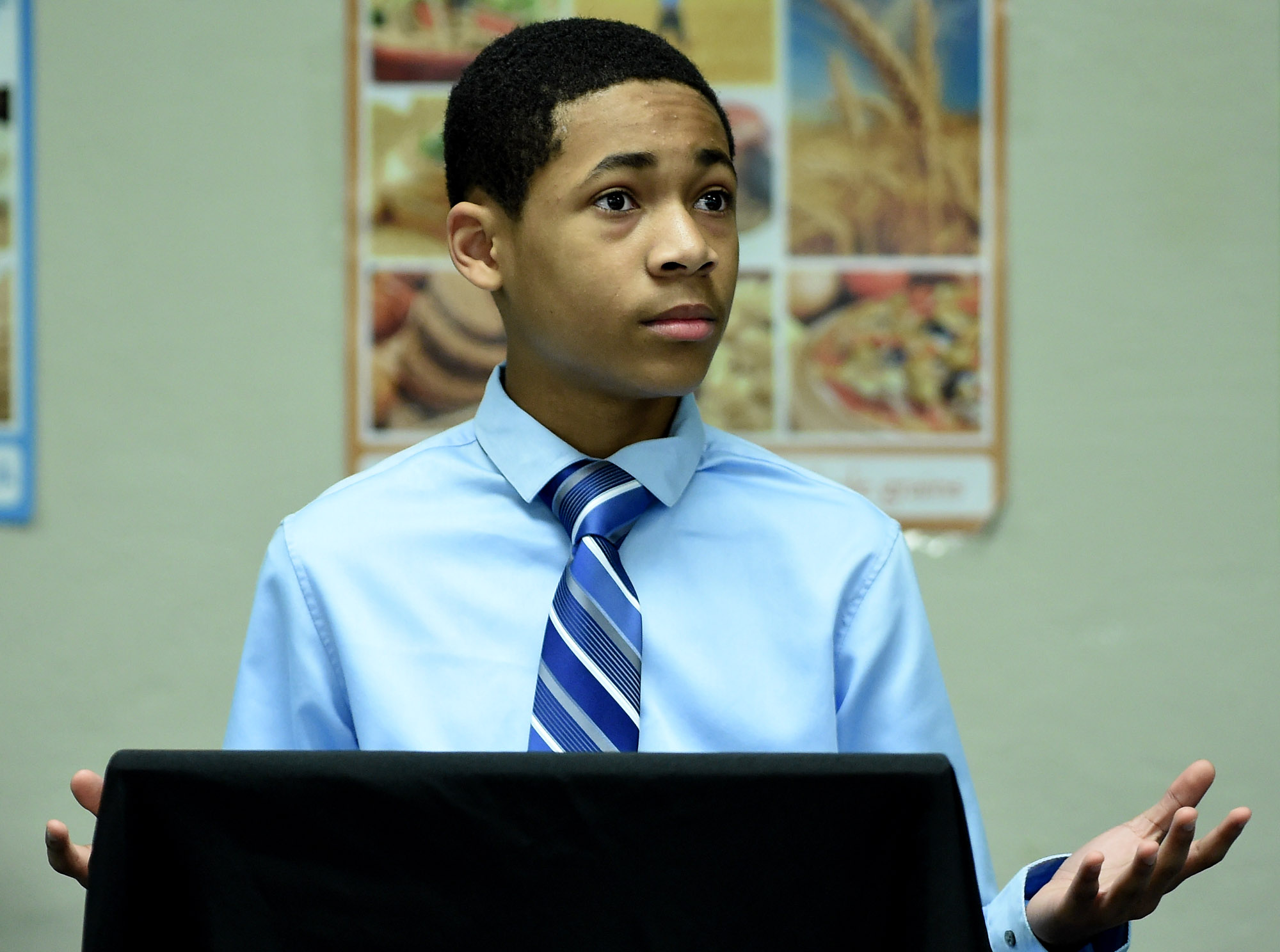
Student Devin Mincey argues a position during a debate of politics and science with Yohance Owens, executive director of the Village Creek Society, at Wilkerson Middle School in Birmingham, Ala., Friday, May 5, 2017. (Photo by Mark Almond)
‘What Is DNA?’
All morning during the debate, Wilkerson Middle School students were challenged with other questions, such as “What is DNA?”
Without hesitation, eighth-grader Jordan Jackson responded, “Deoxyribonucleic acid.”
The lunchroom then led in a chant on how to properly pronounce it.
Seventh-grade science teacher Dr. Jason Dunning said the questions were designed to highlight the importance of both students and leaders being involved in the community.
“In terms of metacognition—the process of thinking about thinking—we were able to tap into their minds and actively engage them in the debate by asking questions that have an impact on our lives, such as those involving politics and science,” he said.
Wilkerson’s students also learn science hands-on, Dunning said: “We have two gardens, the hydroponic garden and the school garden. They learn in the hydroponic garden and apply what they learned to the school garden.”
“It’s more of a community garden,” he added. “The students will be out of school in May, and during the harvesting months they won’t be able to engage with it as much, but we are going to keep the garden up.”
Learning outside the classroom will help students in the long run, said Principal Davida Hill-Johnson.
“It’s going to help them become … lifelong learners,” she said.
The inaugural debate was a chance for students to tap into their critical-thinking skills.
“The debate was a way to challenge them and to get them to speak in an open forum about subjects that they are learning right now,” said Village Creek and Environmental Justice Society Inc.’s Owens. “Politics is a big subject right now. [These students] have seen an African-American president, and that was normal to many of them, compared with the rest of us.”
All morning during the debate, Wilkerson Middle School students were challenged with other questions, such as “What is DNA?”
Without hesitation, eighth-grader Jordan Jackson responded, “Deoxyribonucleic acid.”
The lunchroom then led in a chant on how to properly pronounce it.
Seventh-grade science teacher Dr. Jason Dunning said the questions were designed to highlight the importance of both students and leaders being involved in the community.
“In terms of metacognition—the process of thinking about thinking—we were able to tap into their minds and actively engage them in the debate by asking questions that have an impact on our lives, such as those involving politics and science,” he said.
Wilkerson’s students also learn science hands-on, Dunning said: “We have two gardens, the hydroponic garden and the school garden. They learn in the hydroponic garden and apply what they learned to the school garden.”
“It’s more of a community garden,” he added. “The students will be out of school in May, and during the harvesting months they won’t be able to engage with it as much, but we are going to keep the garden up.”
Learning outside the classroom will help students in the long run, said Principal Davida Hill-Johnson.
“It’s going to help them become … lifelong learners,” she said.
The inaugural debate was a chance for students to tap into their critical-thinking skills.
“The debate was a way to challenge them and to get them to speak in an open forum about subjects that they are learning right now,” said Village Creek and Environmental Justice Society Inc.’s Owens. “Politics is a big subject right now. [These students] have seen an African-American president, and that was normal to many of them, compared with the rest of us.”
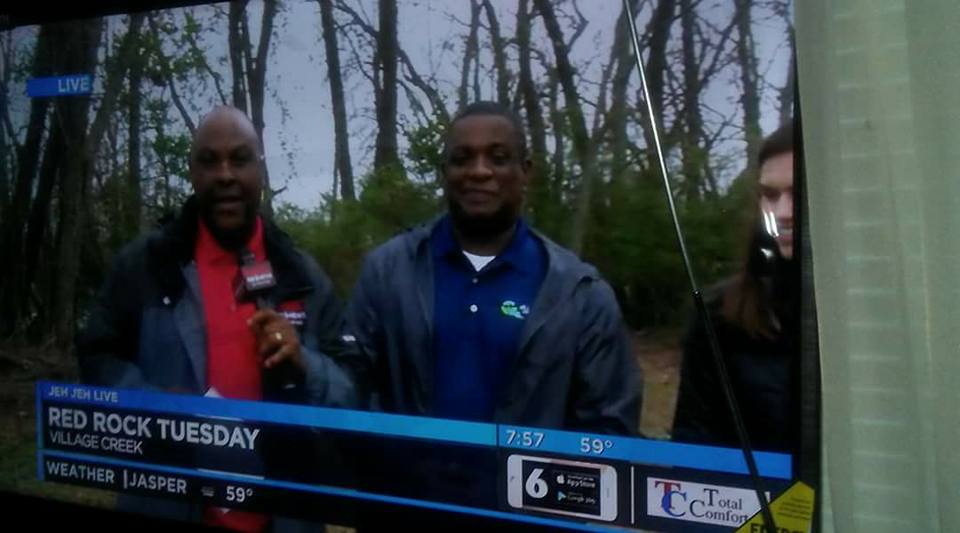
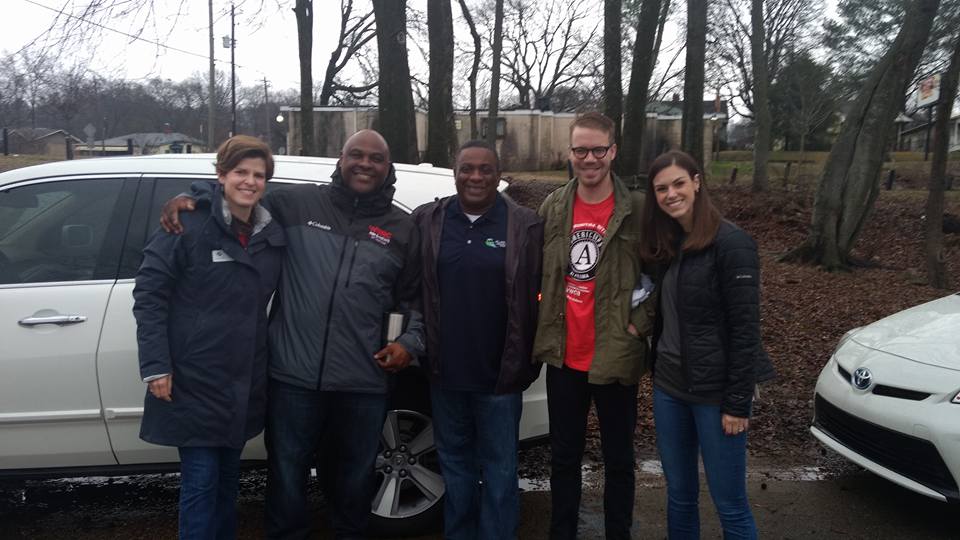
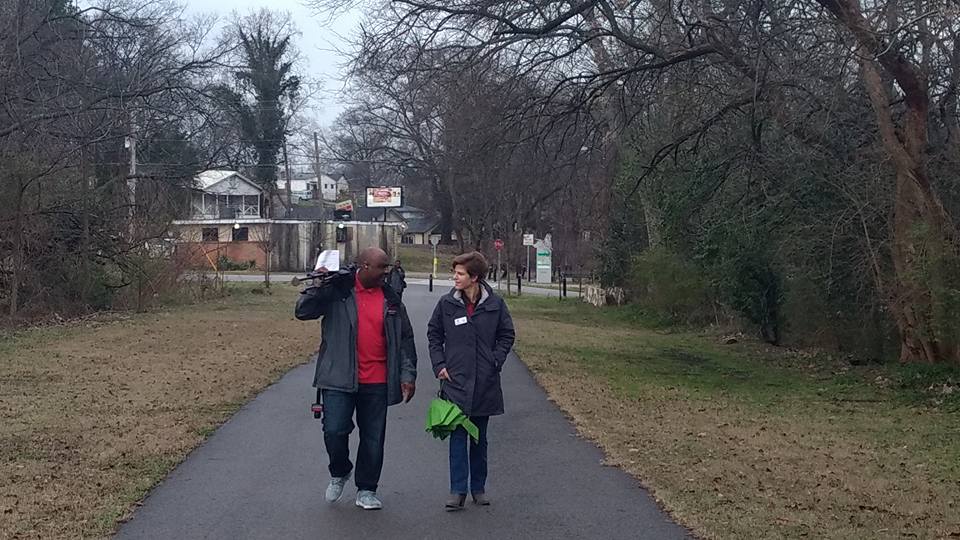
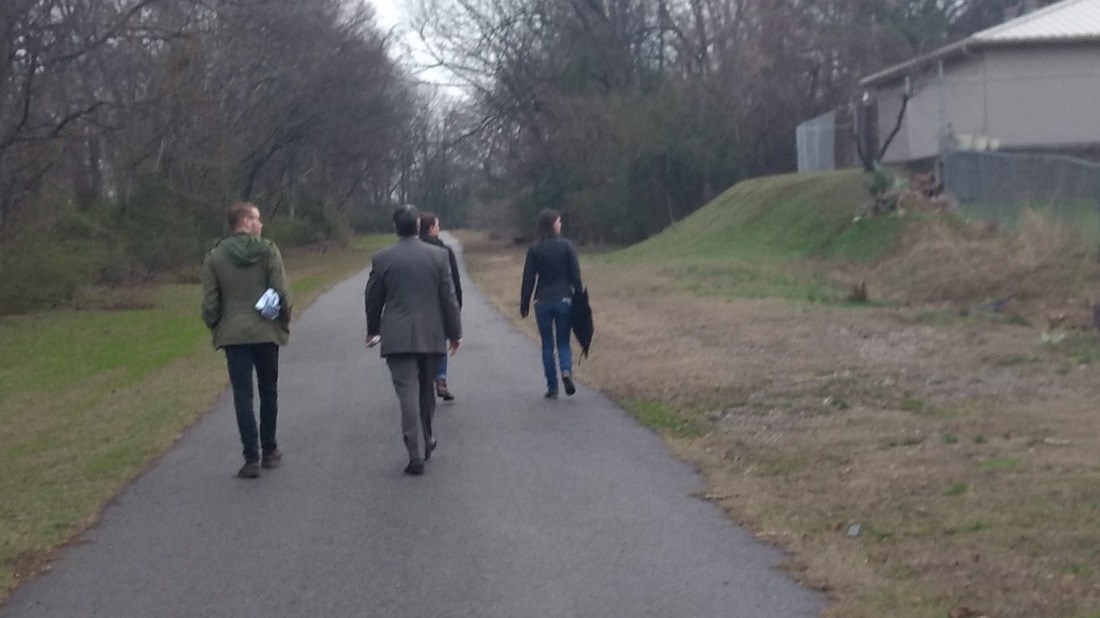
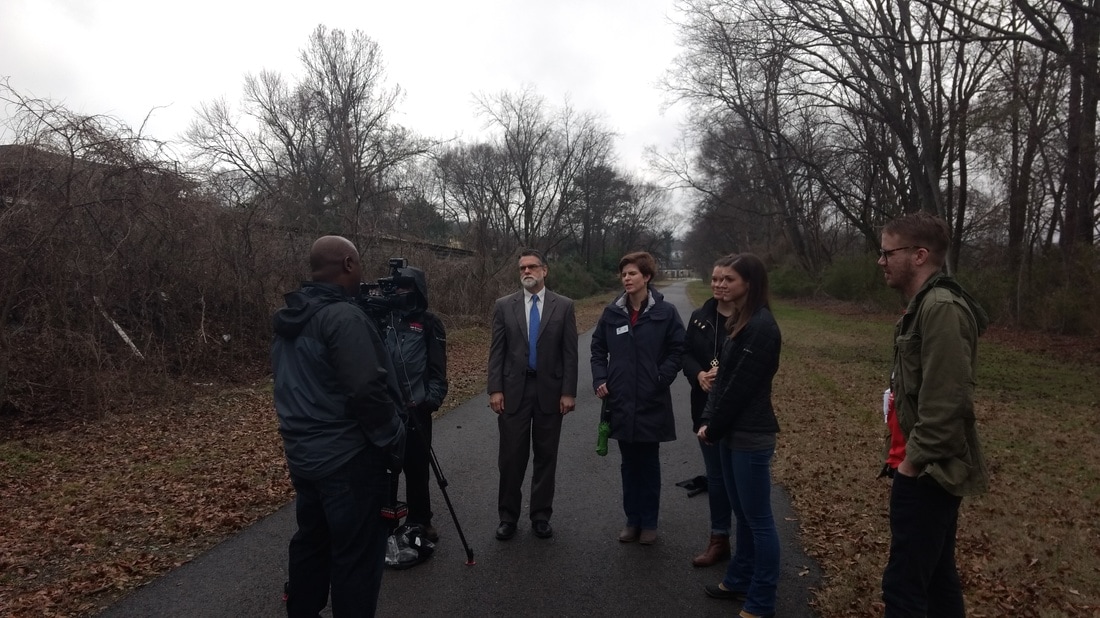
Executive Director Yohance Owens was interviewed Fox 6 Red Rock Trail Segment on February 5, 2017
Remembering the Late Mr. Woodruff' on his Birthday
Dr. Anderson and John Meehan placed a lovely flower on the grave of our late Civil Engineer, Mr. Richard S. Woodruff, Technician Director and Director of Finance 'of Village Creek Society, who died April 23, 2016 at the age of 103 years.
Dr. Anderson, Founder said that she and Village Creek Society will never forgot him and will continue the work that he started that controls the flooding of Village Creek.
- Dr. Mable B. Anderson, Founder & Village Creek Human and Environmental Society (VS)
Dr. Anderson, Founder said that she and Village Creek Society will never forgot him and will continue the work that he started that controls the flooding of Village Creek.
- Dr. Mable B. Anderson, Founder & Village Creek Human and Environmental Society (VS)
VILLAGE CREEK SOCIETY IMPROVES QUALITY OF LIFE FOR RESIDENTS ALONG THE CREEK
BirminghamTimes.com
Posted 10-13-2016 by
Karim Shamsi-Basha
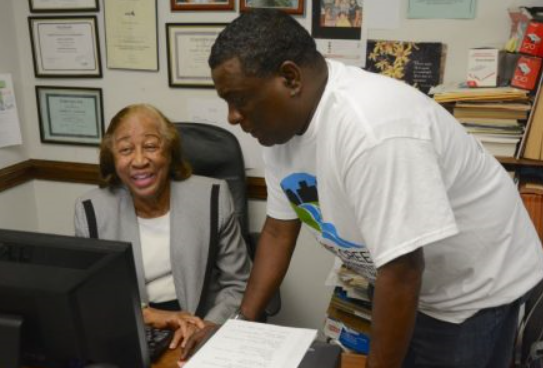
Village Creek Society founder Mable B. Anderson and Yohance Owens share a laugh at the VCS office. (Karim Shamsi-Basha, Alabama NewsCenter)
Butterflies are beginning to flutter along the banks of Village Creek.
If you had lived near Village Creek during the past century, you’d be well familiar with the repetitive flooding affecting more than 300,000 residents along the watershed.
Aside from those folks, not many in Birmingham are familiar with Village Creek. It runs 44 miles from Roebuck Springs and the East Lake area through North Birmingham, and down to the Black Warrior River. Known as the largest urban watershed in Alabama, it used to flood continually and caused much destruction to residents along its path.
The Village Creek Society was founded in 1980 to address the extensive flooding of the watershed, populated mostly by minorities. Other goals include increasing aquatic life along the creek,dormant due to commercial and manufacturing activity along its banks.
“Village Creek Society was founded on the premise of controlling the flooding in the western area of downtown in the early ’80s,’’ said Yohance Owens, the society’s executive director. “Along the way, activists around the community brought ‘compassion in activism’ in the western communities. Elected officials had done very little about the flooding. It took until 1999 to buy out the property and provide solutions.”
The Village Creek Society now strives to improve the quality of life for the residents along the creek through cleanups, education, workshops, stabilizing water banks, trails and parks, outdoor classrooms and much more.
“Village Creek Society works with other environmental projects like neighborhood cleanups and creek cleanups. We also do outdoor classrooms with Jackson-Olin High School, and participate in the Renew Our Rivers campaign and many other projects,” Owens said.
Residents in the Ensley area will soon enjoy a new Village Creek Linear Park and Trail. Establishing the trail has been a goal of Owens since he took his leadership position in the Village Creek Society two years ago. He is passionate about the trail and all of the many projects the society undertakes.
“Being with Village Creek Society is a dream job. It has given me the opportunity to give service, to be a learning incubator and the opportunity to learn from others in the same field,” Owens said. “We have to always stress important issues like sustainability.”
Like the butterflies along the creek bank, sustainability is a word that flutters around society meetings.
“Sustainability to me is investing in yourself. Many neighborhoods like to see good things like community gardens and nice flower beds near the walkways, but what they don’t realize is that it starts with them doing the work,” Owens said. “I’ve been to cleanups where not many volunteers come out, but the more and more I attend, I notice more locals coming out to help. We have to invest in ourselves.”
If you had lived near Village Creek during the past century, you’d be well familiar with the repetitive flooding affecting more than 300,000 residents along the watershed.
Aside from those folks, not many in Birmingham are familiar with Village Creek. It runs 44 miles from Roebuck Springs and the East Lake area through North Birmingham, and down to the Black Warrior River. Known as the largest urban watershed in Alabama, it used to flood continually and caused much destruction to residents along its path.
The Village Creek Society was founded in 1980 to address the extensive flooding of the watershed, populated mostly by minorities. Other goals include increasing aquatic life along the creek,dormant due to commercial and manufacturing activity along its banks.
“Village Creek Society was founded on the premise of controlling the flooding in the western area of downtown in the early ’80s,’’ said Yohance Owens, the society’s executive director. “Along the way, activists around the community brought ‘compassion in activism’ in the western communities. Elected officials had done very little about the flooding. It took until 1999 to buy out the property and provide solutions.”
The Village Creek Society now strives to improve the quality of life for the residents along the creek through cleanups, education, workshops, stabilizing water banks, trails and parks, outdoor classrooms and much more.
“Village Creek Society works with other environmental projects like neighborhood cleanups and creek cleanups. We also do outdoor classrooms with Jackson-Olin High School, and participate in the Renew Our Rivers campaign and many other projects,” Owens said.
Residents in the Ensley area will soon enjoy a new Village Creek Linear Park and Trail. Establishing the trail has been a goal of Owens since he took his leadership position in the Village Creek Society two years ago. He is passionate about the trail and all of the many projects the society undertakes.
“Being with Village Creek Society is a dream job. It has given me the opportunity to give service, to be a learning incubator and the opportunity to learn from others in the same field,” Owens said. “We have to always stress important issues like sustainability.”
Like the butterflies along the creek bank, sustainability is a word that flutters around society meetings.
“Sustainability to me is investing in yourself. Many neighborhoods like to see good things like community gardens and nice flower beds near the walkways, but what they don’t realize is that it starts with them doing the work,” Owens said. “I’ve been to cleanups where not many volunteers come out, but the more and more I attend, I notice more locals coming out to help. We have to invest in ourselves.”
Volunteers, multiple organizations support Village Creek cleanup, park project
AlabamaNewsCenter.com
Posted 09-19-2016 by
Michael Sznajderman
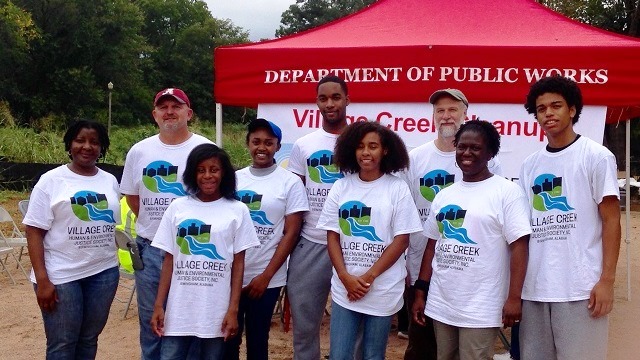
Intermittent showers and gray skies didn’t dampen the enthusiasm for helping clean up around Village Creek in the Ensley community of Birmingham Sept. 17 during the 11thannual Village Creek Cleanup.
Dozens of volunteers from across the Birmingham area, as well as from Miles College, Lawson State Community College, and Birmingham’s George W. Carver and Jackson-Olinhigh schools, gathered Saturday morning for the final day of the three-day cleanup. The event is affiliated with the Renew Our Rivers campaign and is supported by Alabama Power.
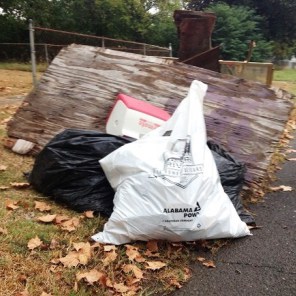
On Thursday and Friday, workers focused on removing trash and debris from the creek itself; on Saturday, community volunteers fanned out along the streets and homes near Moro Park to pick up trash that might otherwise wash into the creek.
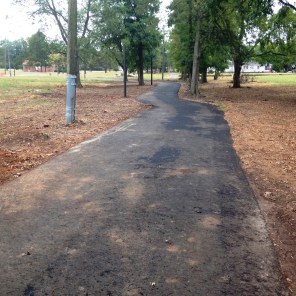
Years ago, federal emergency officials moved people from dozens of homes in the area and cleared the site along the creek because of chronic flooding. For a time, the area became a favorite spot for illegal dumping. But now, the area is being transformed into a community park, with walking trails under construction.
“Thank you all for what you do,” Mable Anderson told volunteers at the end of Saturday’s cleanup. Anderson is founder of the Village Creek Human & Environmental Justice Society, which leads the cleanup. Anderson recently celebrated her 86th birthday, and volunteers joined together to sing “Happy Birthday” before her remarks.
An early water source for Birmingham, Village Creek flows 44 miles through urban and rural Jefferson County, from east Birmingham to the Locust Fork of the Black Warrior River. In the 1820s, pioneers stripped coal from the banks of the creek, making it one of the original sites of Alabama’s coal industry.
The Magic City’s rapid growth and industrialization in the late 19th century and early-t- mid 20th century took its toll on the creek, affecting water quality. But in recent years, efforts to control pollution and reduce trash have helped put the creek on a path toward restoration and revitalization.
Many organizations, agencies and companies supported this year’s cleanup, including the city of Birmingham, Birmingham Fire and Rescue Services, Birmingham Water Works, the Jefferson County Commission, Stormwater Management of Birmingham, The Nature Conservancy, Special Occasions and Vulcan Materials.
“We’re not going down; we’re going on,” Anderson told the volunteers. “We’re heading in the right direction.”
Dozens of volunteers from across the Birmingham area, as well as from Miles College, Lawson State Community College, and Birmingham’s George W. Carver and Jackson-Olinhigh schools, gathered Saturday morning for the final day of the three-day cleanup. The event is affiliated with the Renew Our Rivers campaign and is supported by Alabama Power.
On Thursday and Friday, workers focused on removing trash and debris from the creek itself; on Saturday, community volunteers fanned out along the streets and homes near Moro Park to pick up trash that might otherwise wash into the creek.
Years ago, federal emergency officials moved people from dozens of homes in the area and cleared the site along the creek because of chronic flooding. For a time, the area became a favorite spot for illegal dumping. But now, the area is being transformed into a community park, with walking trails under construction.
“Thank you all for what you do,” Mable Anderson told volunteers at the end of Saturday’s cleanup. Anderson is founder of the Village Creek Human & Environmental Justice Society, which leads the cleanup. Anderson recently celebrated her 86th birthday, and volunteers joined together to sing “Happy Birthday” before her remarks.
An early water source for Birmingham, Village Creek flows 44 miles through urban and rural Jefferson County, from east Birmingham to the Locust Fork of the Black Warrior River. In the 1820s, pioneers stripped coal from the banks of the creek, making it one of the original sites of Alabama’s coal industry.
The Magic City’s rapid growth and industrialization in the late 19th century and early-t- mid 20th century took its toll on the creek, affecting water quality. But in recent years, efforts to control pollution and reduce trash have helped put the creek on a path toward restoration and revitalization.
Many organizations, agencies and companies supported this year’s cleanup, including the city of Birmingham, Birmingham Fire and Rescue Services, Birmingham Water Works, the Jefferson County Commission, Stormwater Management of Birmingham, The Nature Conservancy, Special Occasions and Vulcan Materials.
“We’re not going down; we’re going on,” Anderson told the volunteers. “We’re heading in the right direction.”
Alabama's state parks are priceless...but need our support
AL.com
Posted 09-02-2016 by
Guest Voices.
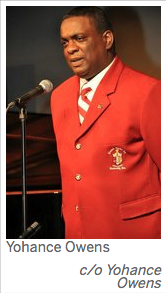
By Yohance Owens, executive director of the Village Creek Human and Environmental Justice Society. Village Creek is a body of water that runs 44 miles through the City of Birmingham and Jefferson County
If something went wrong with your heart, would you know it? Not all heart problems come with clear warning signs; there's not always an alarming chest clutch followed by a fall to the floor like you see in movies. As someone who was fortunate enough to intercept the warning signs early enough and survive several medical procedures, I'm now reshaping my life hiking the trails of Alabama State Parks.
While all Alabama State Parks are special, I'm most fond of Oak Mountain State Park. As Alabama's largest park, Oak Mountain has a variety of outdoor activities for unforgettable experiences. Mountain biking and hiking are two of the most popular activities at the park.
To ensure those unforgettable experiences and impressive views exist for generations to come, I'll be doing my part on November 8th to show my love for Oak Mountain State Park and all of Alabama's State Parks by voting YES on Amendment 2. While the legislation reads a bit like a novel, the intention of the legislation is quite simple: to protect state parks.
For me, voting YES on Amendment 2 means protecting the trails I hike to keep my heart healthy. Voting YES on Amendment 2 means the members of the Shelby County Alumni of Kappa Alpha Psi Fraternity, Inc., have a venue for our annual summer picnic. Voting YES on Amendment 2 will protect outdoor recreation like biking, camping, birding, hunting and fishing for all Alabamians.
Natural Amenities
When your heart is literally on the line, you begin to see life differently.
For example, it encourages me to read that multiple studies suggest that (limited) sun expose leads to the creation and activation of vitamin D which helps fight certain conditions, from osteoporosis and cancer to depression and heart attacks. Live in a city with no green space nearby? No worries. An Alabama State Park is within driving distance of your home just as Oak Mountain State Park is within driving distance of mine.
While the natural amenities in all Alabama's state parks are priceless, I've learned that approximately 80 percent of the funding for state parks comes from users in the form of admission fees, camping fees and room rentals. Oak Mountain State Park offers ten fully-equipped cabins. Cabins often used for family reunions by utilizing the pavilion by the lake, Lake Tranquility, or the meeting room in the area. The 28-acre lake is nestled in the foothills of Double Oak Mountain and is often used by migrating waterfowl as well as native species of shoreline and wading birds, according to the website.
In researching Amendment 2, I learned that more than four million people visit Alabama's state parks each year, pumping nearly $400 million into the Alabama economy. Cutting state parks funding would put this economic impact at risk and could kill good Alabama jobs. Together, we have the chance to permanently protect Alabama's state parks on Election Day 2016 by voting YES on Amendment 2.
If something went wrong with your heart, would you know it? Not all heart problems come with clear warning signs; there's not always an alarming chest clutch followed by a fall to the floor like you see in movies. As someone who was fortunate enough to intercept the warning signs early enough and survive several medical procedures, I'm now reshaping my life hiking the trails of Alabama State Parks.
While all Alabama State Parks are special, I'm most fond of Oak Mountain State Park. As Alabama's largest park, Oak Mountain has a variety of outdoor activities for unforgettable experiences. Mountain biking and hiking are two of the most popular activities at the park.
To ensure those unforgettable experiences and impressive views exist for generations to come, I'll be doing my part on November 8th to show my love for Oak Mountain State Park and all of Alabama's State Parks by voting YES on Amendment 2. While the legislation reads a bit like a novel, the intention of the legislation is quite simple: to protect state parks.
For me, voting YES on Amendment 2 means protecting the trails I hike to keep my heart healthy. Voting YES on Amendment 2 means the members of the Shelby County Alumni of Kappa Alpha Psi Fraternity, Inc., have a venue for our annual summer picnic. Voting YES on Amendment 2 will protect outdoor recreation like biking, camping, birding, hunting and fishing for all Alabamians.
Natural Amenities
When your heart is literally on the line, you begin to see life differently.
For example, it encourages me to read that multiple studies suggest that (limited) sun expose leads to the creation and activation of vitamin D which helps fight certain conditions, from osteoporosis and cancer to depression and heart attacks. Live in a city with no green space nearby? No worries. An Alabama State Park is within driving distance of your home just as Oak Mountain State Park is within driving distance of mine.
While the natural amenities in all Alabama's state parks are priceless, I've learned that approximately 80 percent of the funding for state parks comes from users in the form of admission fees, camping fees and room rentals. Oak Mountain State Park offers ten fully-equipped cabins. Cabins often used for family reunions by utilizing the pavilion by the lake, Lake Tranquility, or the meeting room in the area. The 28-acre lake is nestled in the foothills of Double Oak Mountain and is often used by migrating waterfowl as well as native species of shoreline and wading birds, according to the website.
In researching Amendment 2, I learned that more than four million people visit Alabama's state parks each year, pumping nearly $400 million into the Alabama economy. Cutting state parks funding would put this economic impact at risk and could kill good Alabama jobs. Together, we have the chance to permanently protect Alabama's state parks on Election Day 2016 by voting YES on Amendment 2.
Village Creek Linear Park and Trail
Ensley, AL
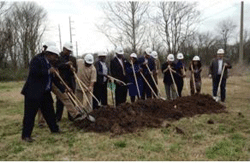
John Kolaczek (Ensley Machine Shop Manager) represented Vulcan as a guest speaker at the groundbreaking of the Village Creek Linear Park and Trail. Vulcan donated the hard hats and shovels for the ceremony. Birmingham Mayor William Bell, Councilman Marcus G. Lundy, and Village Creek Society Executive Director Yohance Owens attended the groundbreaking.
Vulcan’s Ensley Shop is a long time supporter of the Village Creek Society and is host sponsor for their primary annual event, the Village Creek Cleanup.
Vulcan and its predecessor company has been a member of the Ensley business community since 1909.
Vulcan’s Ensley Shop is a long time supporter of the Village Creek Society and is host sponsor for their primary annual event, the Village Creek Cleanup.
Vulcan and its predecessor company has been a member of the Ensley business community since 1909.
2016 April Newsletter
Yohance Owens discusses his role as Executive Director at the Village Creek Society for the Downstream project.
Yohance Owens from Alexis Barton on Vimeo.
Voices from Birmingham’s History: Flooding Along Village Creek in Ensley
WBHM 90.3 FM
Your NPR News Station
Posted 09-22-2015 by
Mary Scott Hodgin.
Birmingham is in a valley, resting at the foothills of the Appalachians. The city’s creeks collect water running down from the mountains and filter it through the floodplains. Last week, WBHM reported on developers today taking a new interest in the 1925 Olmsted Planfor parks and green space in Birmingham. The Olmsted Plan preserved the city’s major tributaries, specifically those of Village and Valley Creek.
But the city didn’t follow the plan, and African-American industrial workers moved onto the flood plains. From 1988 to 2007, the City stepped in to complete a series of buyouts to remove homes from these areas.
As a child, Marilyn Roberts lived along Village creek in Ensley, a community that experienced years of flooding prior to citywide efforts to address the problem. She talked with Mary Scott Hodgin about her story and the impact of past flood events. Listen to what she has to say above, or read it below.
“We moved to Ensley in 1960 from North Birmingham onto Eleventh Street. It was right on the creek bank, but we didn’t know about the flooding at the time when we moved. When we did find out about it, it was coming up the road — we were having to pack up everything, put furniture on chairs and get prepared to get out of the house. We could actually stand on the porch and look down the street and see when to leave the house before it would come all the way up the street. It was coming in fast.”
“Eventually we would have to leave our homes and go to dry land and then wait for the water to recede, and then go back in the house and we would have to clean up the house, clean up the muddy waters. There were times when the water would get in and it was so high it would cover half the room, and we had to go in and have someone gutter the sheetrock, redo the wiring, and redo the hardwood floors before we could move back in.”
“One year, I think it was the last flood somewhere in 1983, when they had like eight feet of water, and my mom she was asleep and woke up and the water was up — it was so high they had to get the boats to go in and get her and she was standing on the banister until someone came and picked her up in a boat. It was scary. She didn’t want to go back up there after that.”
“The buyout came in the 1980s as well, right after the big flood. A lot of people wanted to move out because they didn’t want to go through that anymore and my mom was one of the ones that were bought out. They actually removed our house and placed it somewhere else. The land is still vacant there; they haven’t cultivated it into anything else but the city is working right now to put a park and trail and build it up for the families to come in and enjoy the park.”
But the city didn’t follow the plan, and African-American industrial workers moved onto the flood plains. From 1988 to 2007, the City stepped in to complete a series of buyouts to remove homes from these areas.
As a child, Marilyn Roberts lived along Village creek in Ensley, a community that experienced years of flooding prior to citywide efforts to address the problem. She talked with Mary Scott Hodgin about her story and the impact of past flood events. Listen to what she has to say above, or read it below.
“We moved to Ensley in 1960 from North Birmingham onto Eleventh Street. It was right on the creek bank, but we didn’t know about the flooding at the time when we moved. When we did find out about it, it was coming up the road — we were having to pack up everything, put furniture on chairs and get prepared to get out of the house. We could actually stand on the porch and look down the street and see when to leave the house before it would come all the way up the street. It was coming in fast.”
“Eventually we would have to leave our homes and go to dry land and then wait for the water to recede, and then go back in the house and we would have to clean up the house, clean up the muddy waters. There were times when the water would get in and it was so high it would cover half the room, and we had to go in and have someone gutter the sheetrock, redo the wiring, and redo the hardwood floors before we could move back in.”
“One year, I think it was the last flood somewhere in 1983, when they had like eight feet of water, and my mom she was asleep and woke up and the water was up — it was so high they had to get the boats to go in and get her and she was standing on the banister until someone came and picked her up in a boat. It was scary. She didn’t want to go back up there after that.”
“The buyout came in the 1980s as well, right after the big flood. A lot of people wanted to move out because they didn’t want to go through that anymore and my mom was one of the ones that were bought out. They actually removed our house and placed it somewhere else. The land is still vacant there; they haven’t cultivated it into anything else but the city is working right now to put a park and trail and build it up for the families to come in and enjoy the park.”
People Places & Things - Village Creek Society of Birmingham
Hundreds commit to MLK Day of Service in Birmingham: People cleaned up parks, neighborhoods, and even Village Creek
Watch Video now on WTVM 13 News!
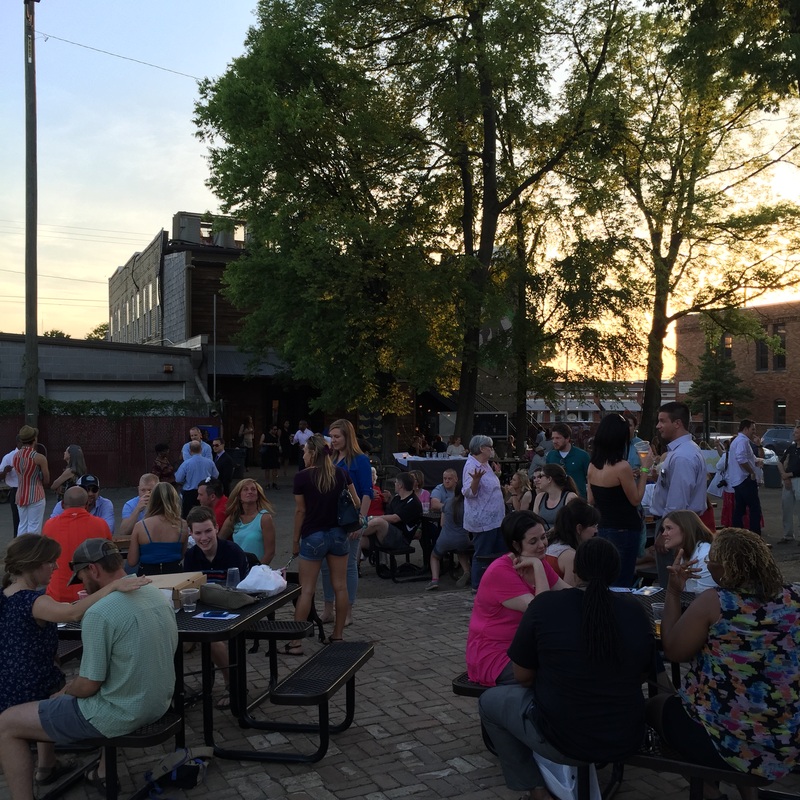
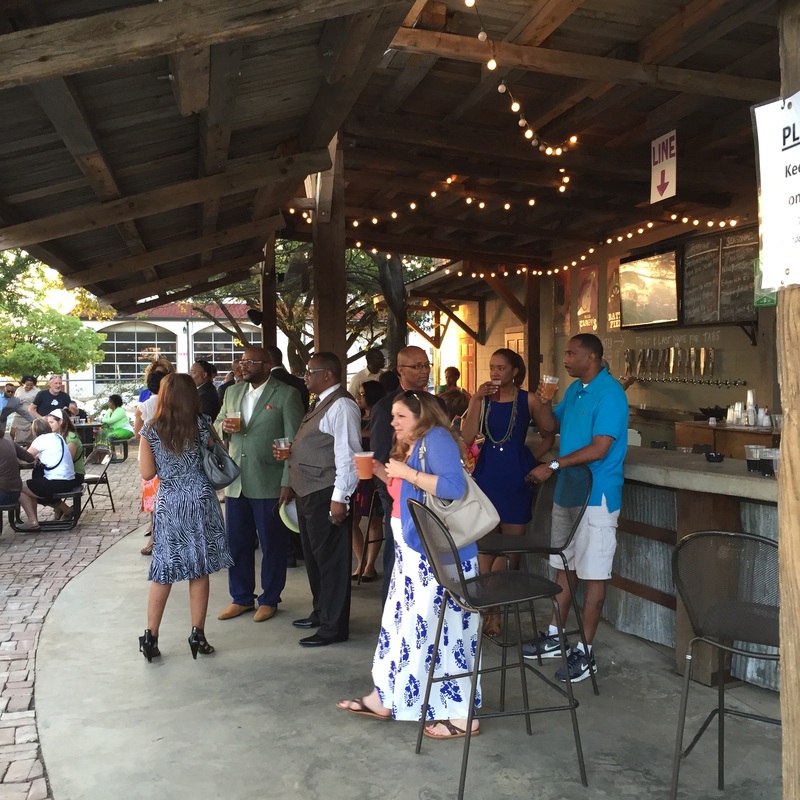
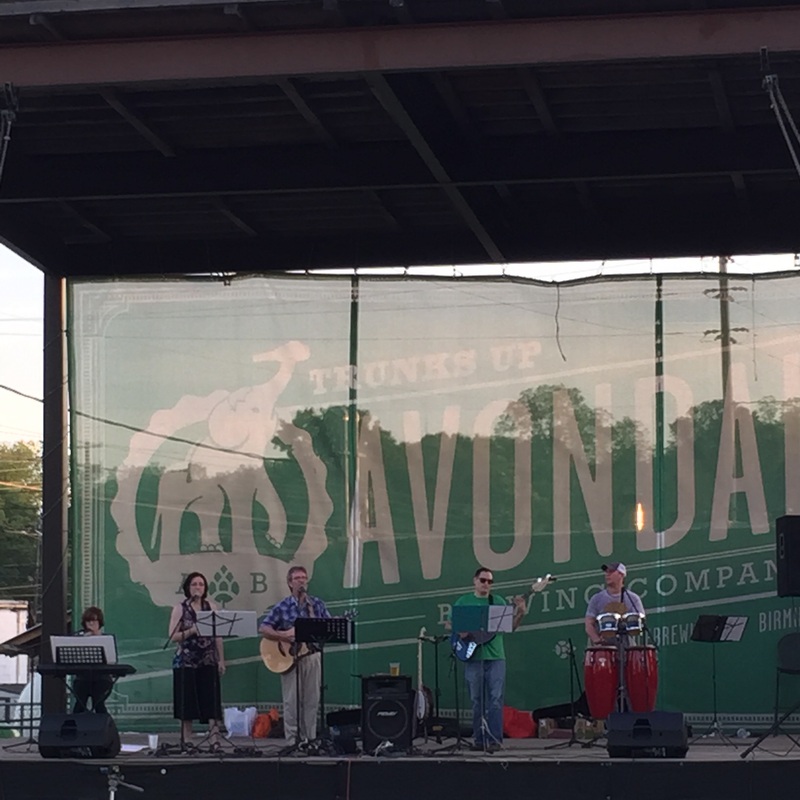
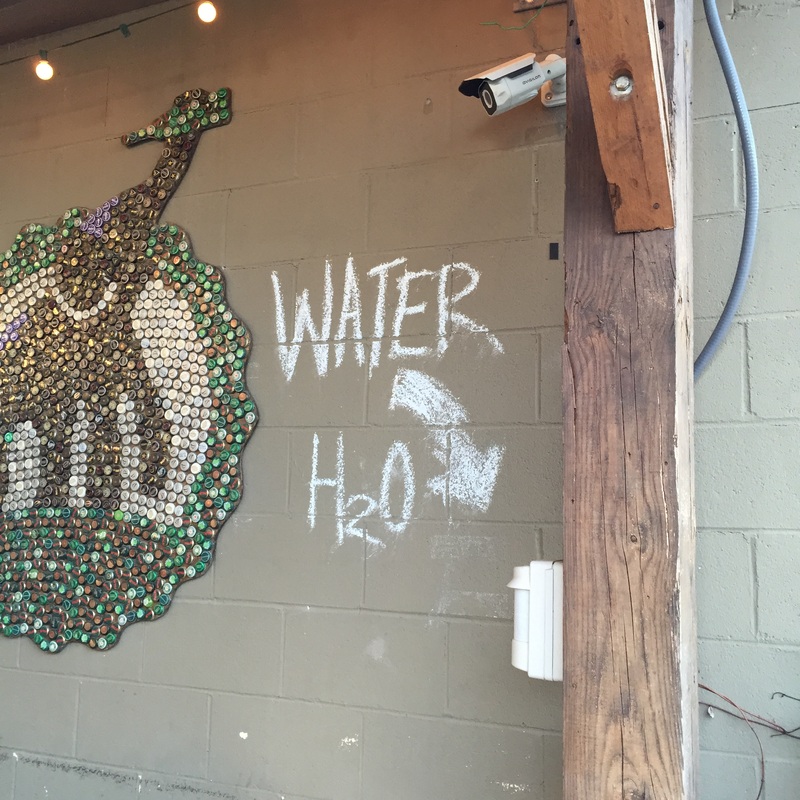
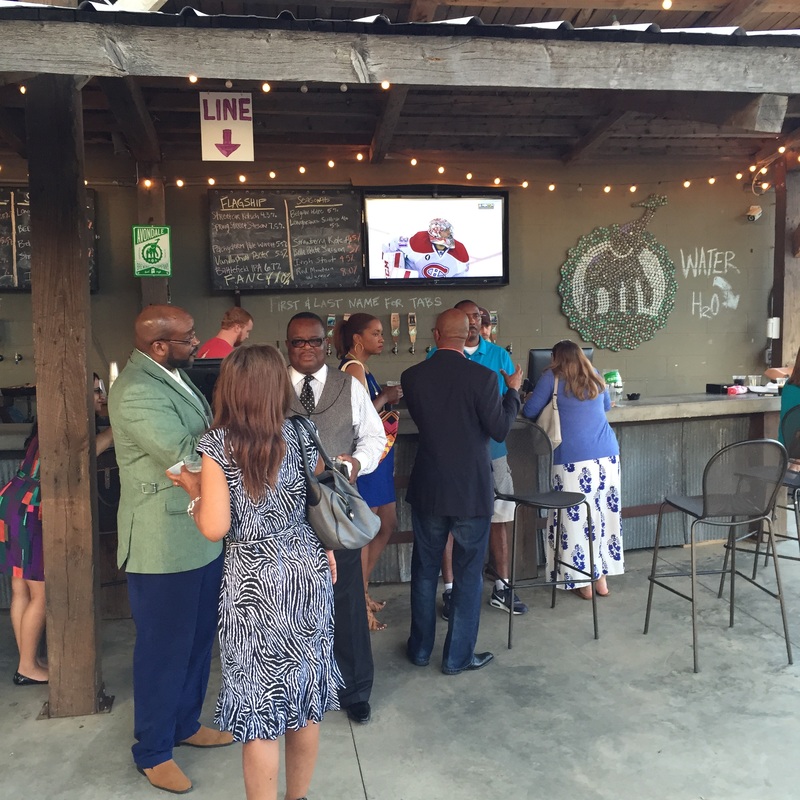
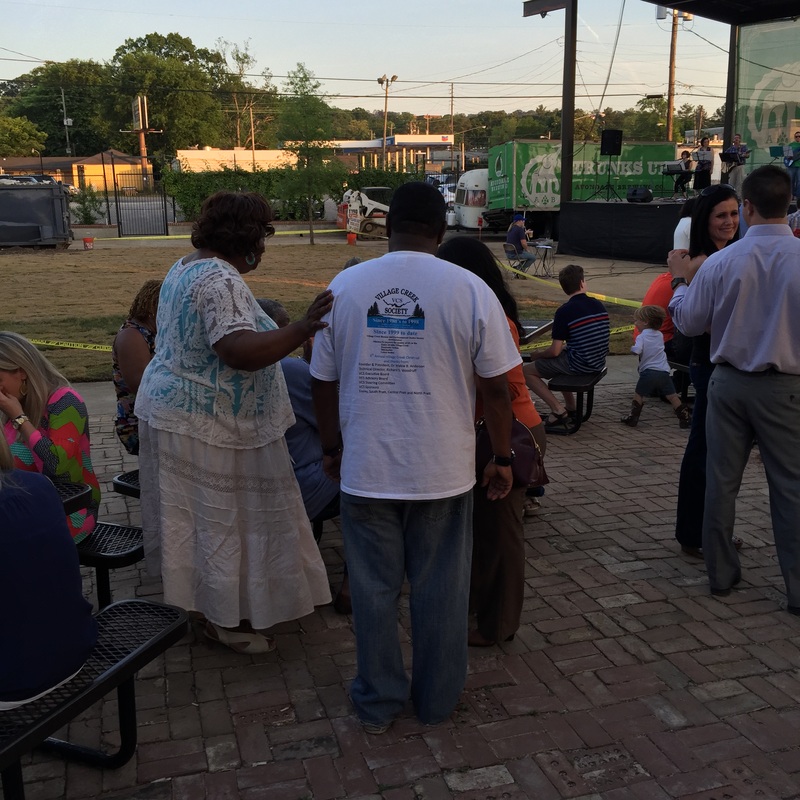
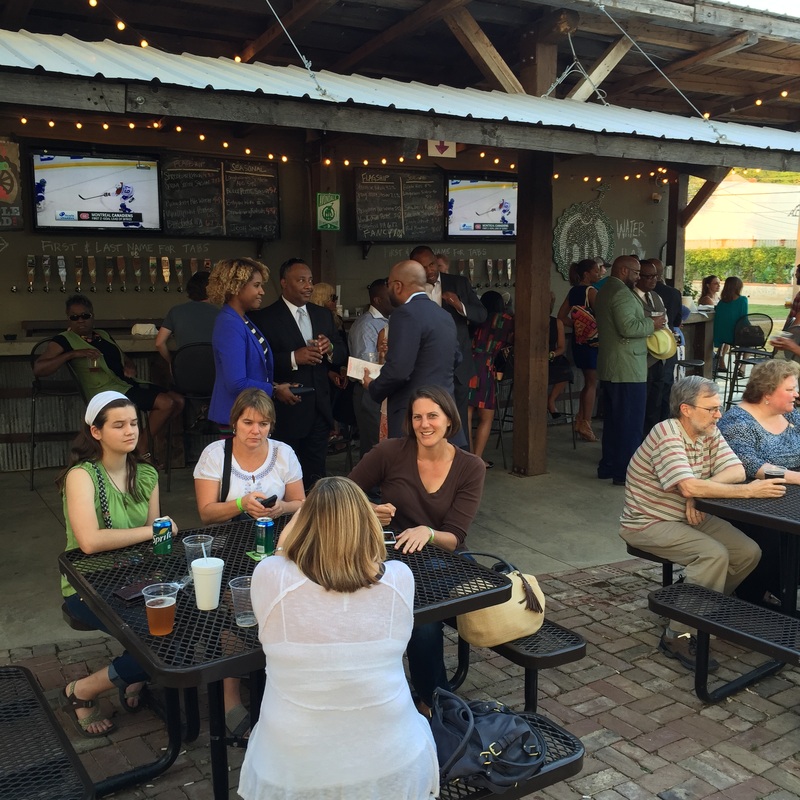
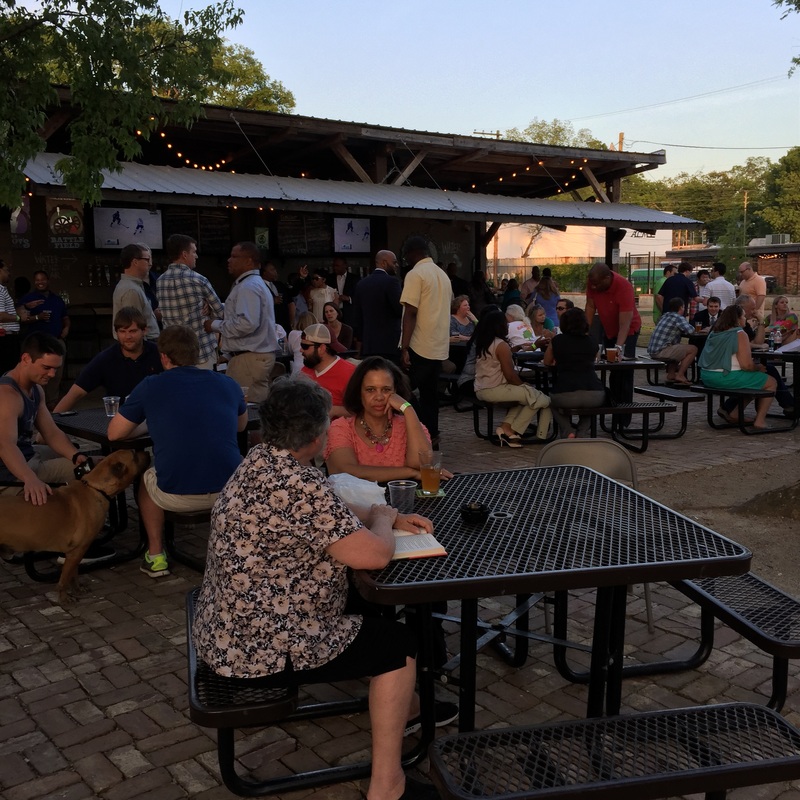
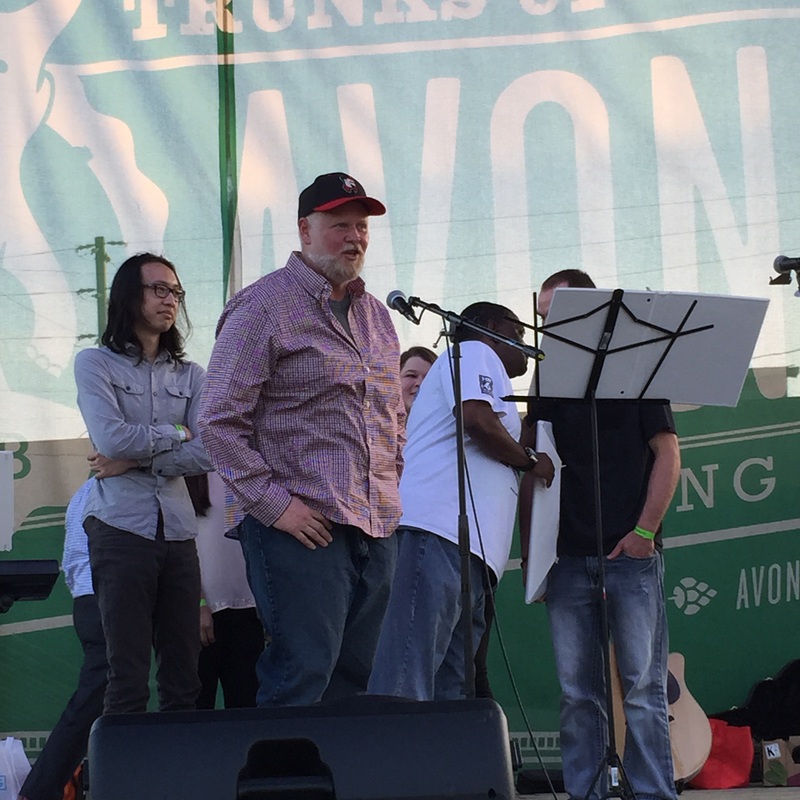
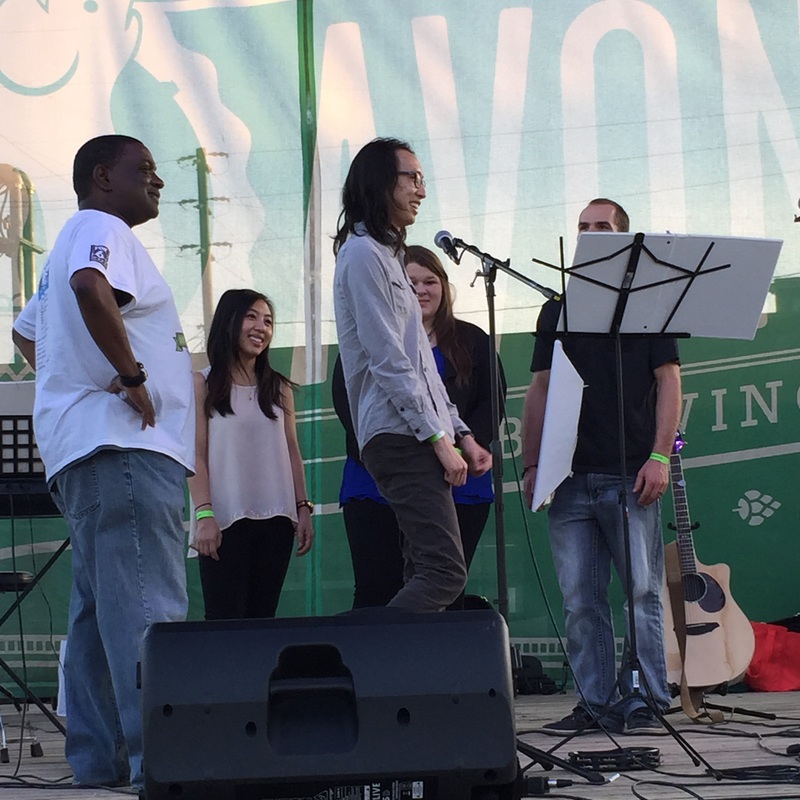
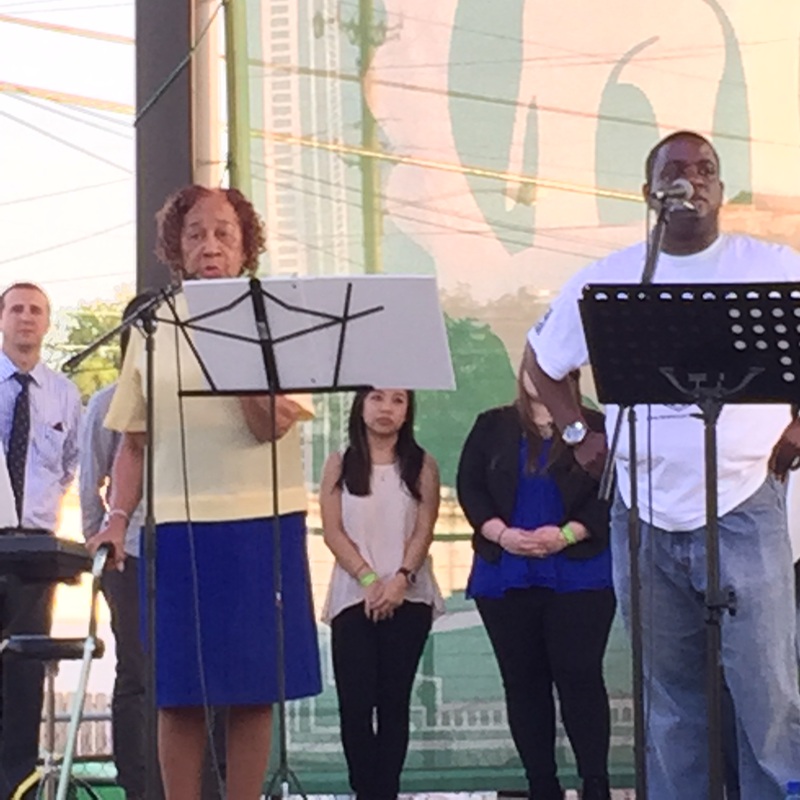
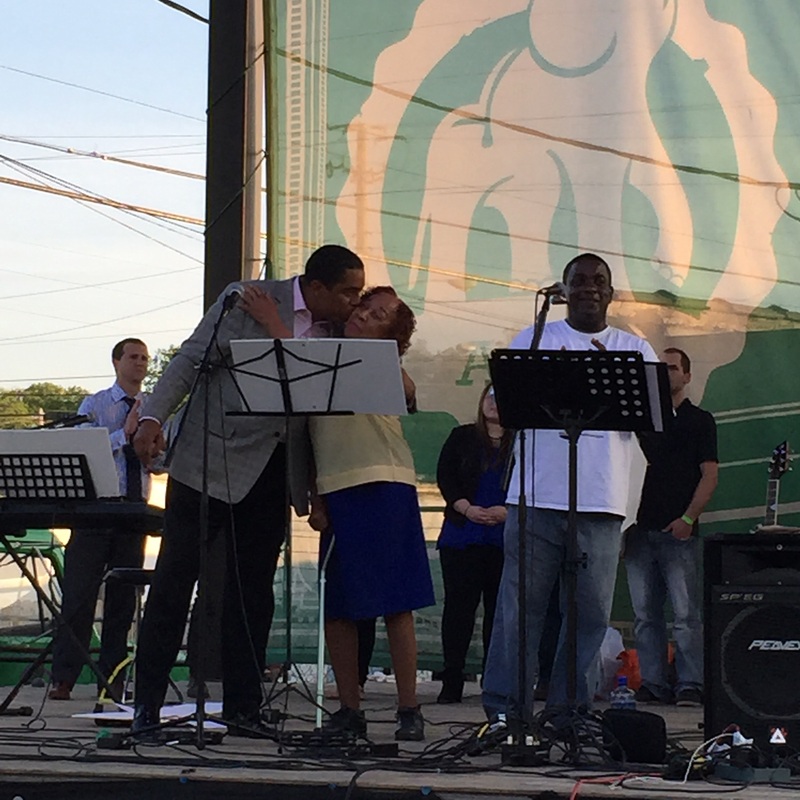
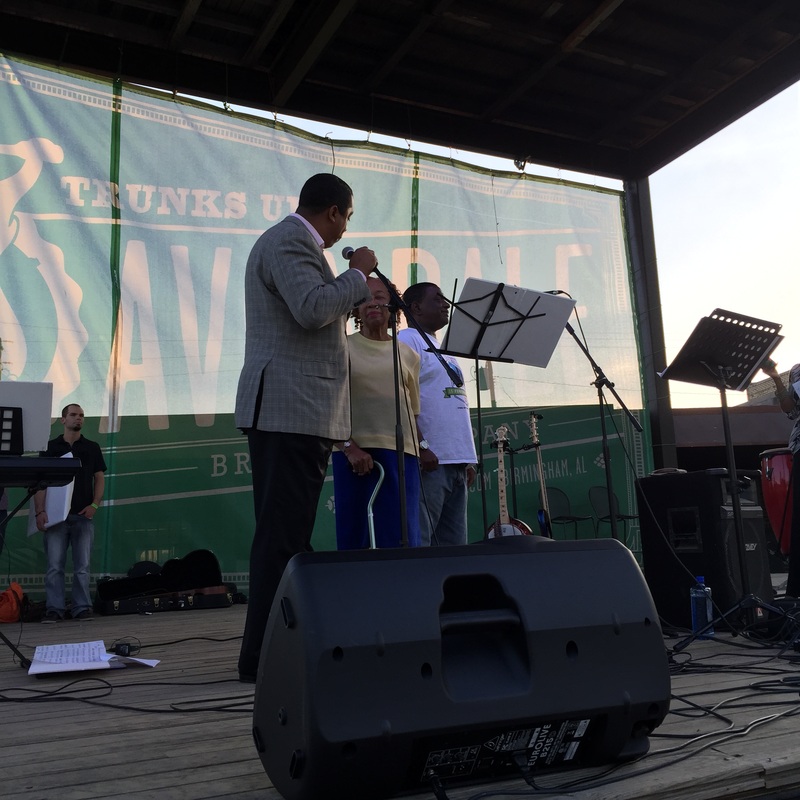
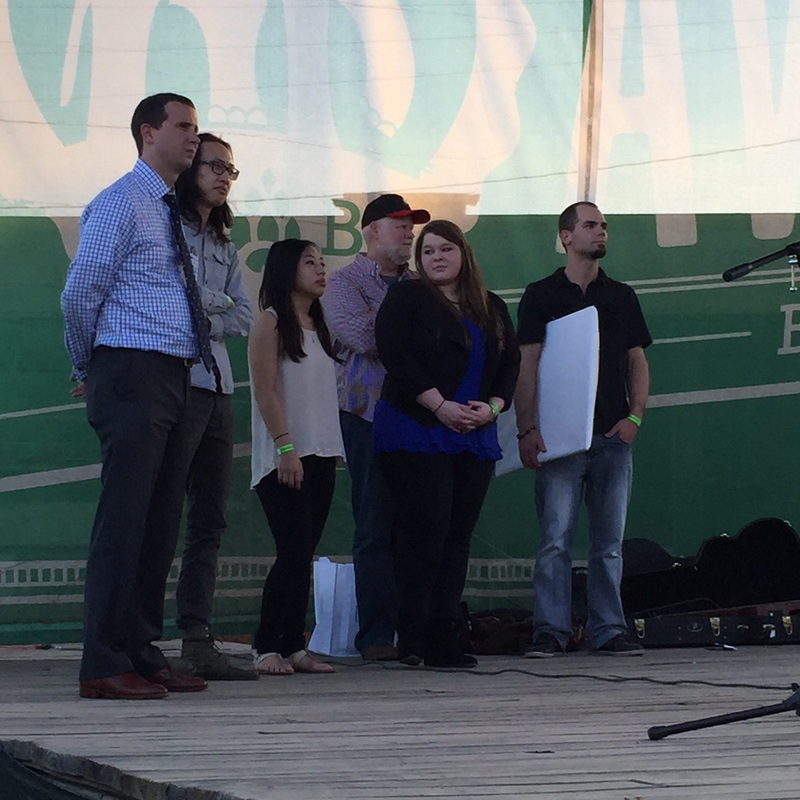
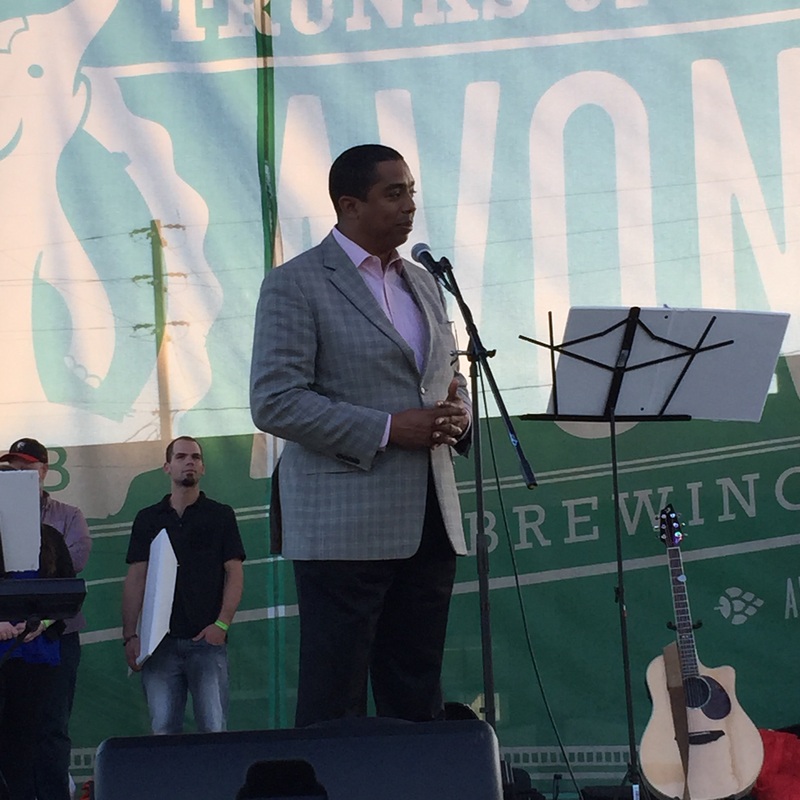
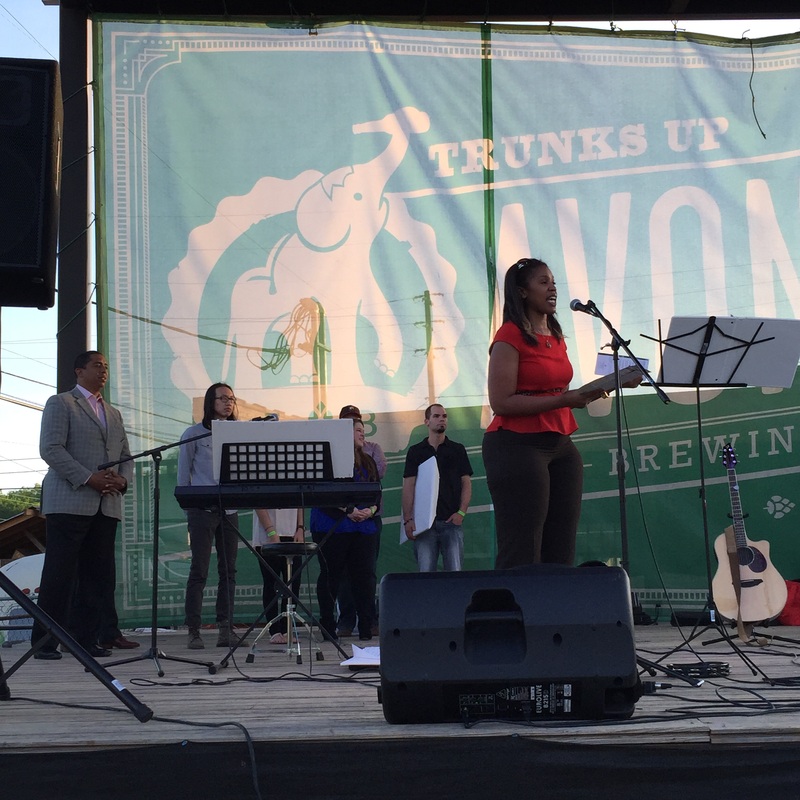
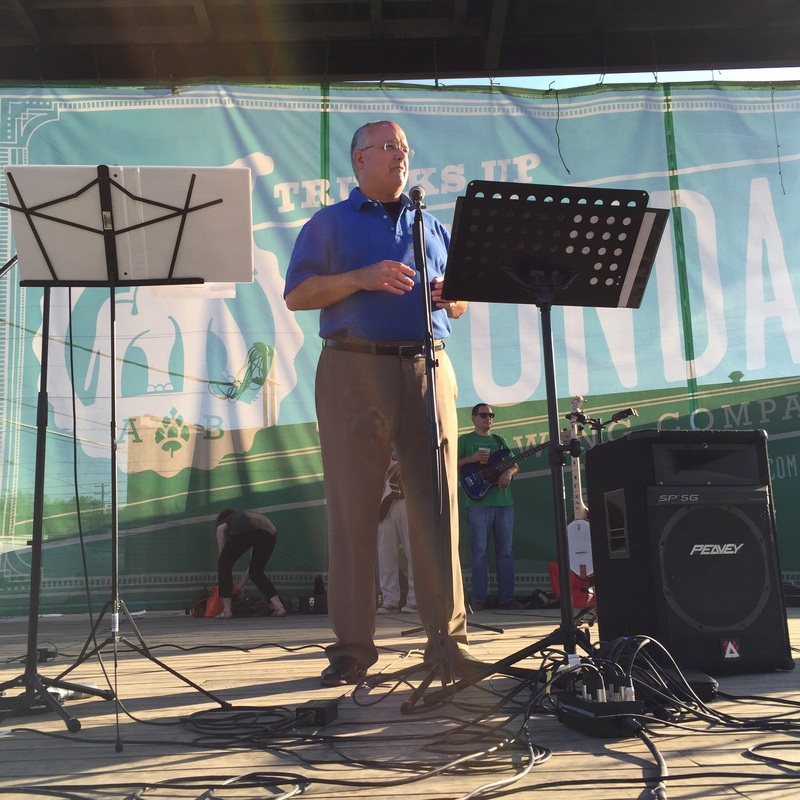
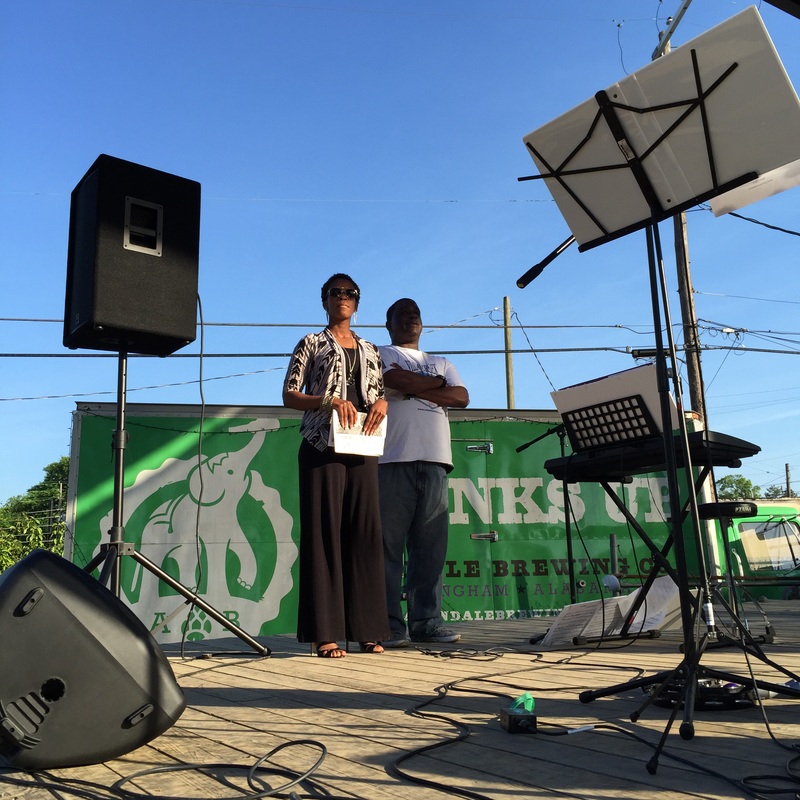
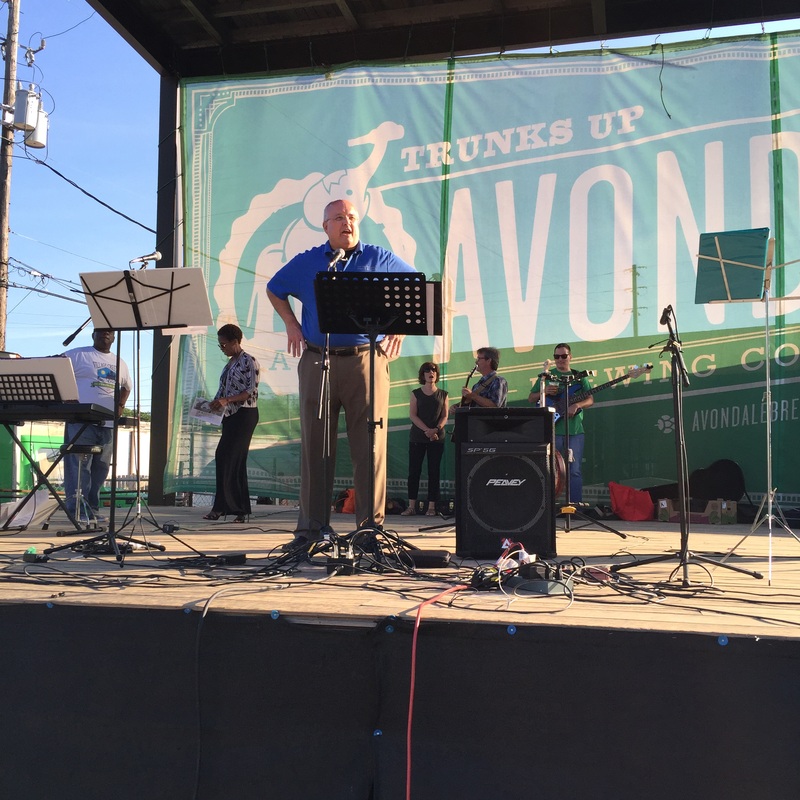
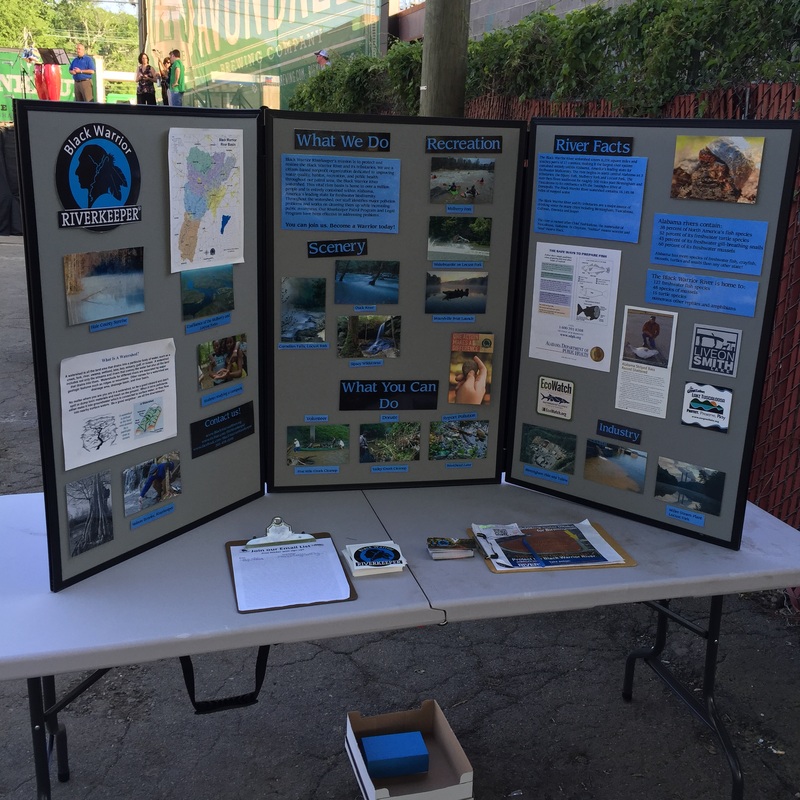
The Village Creek Society held the 1st Annual Fundraiser Event at Avondale Brewery on May 7, 2015. The event was sponsor by Alabama Power, KISS 98.7 and AIG Financial Network.
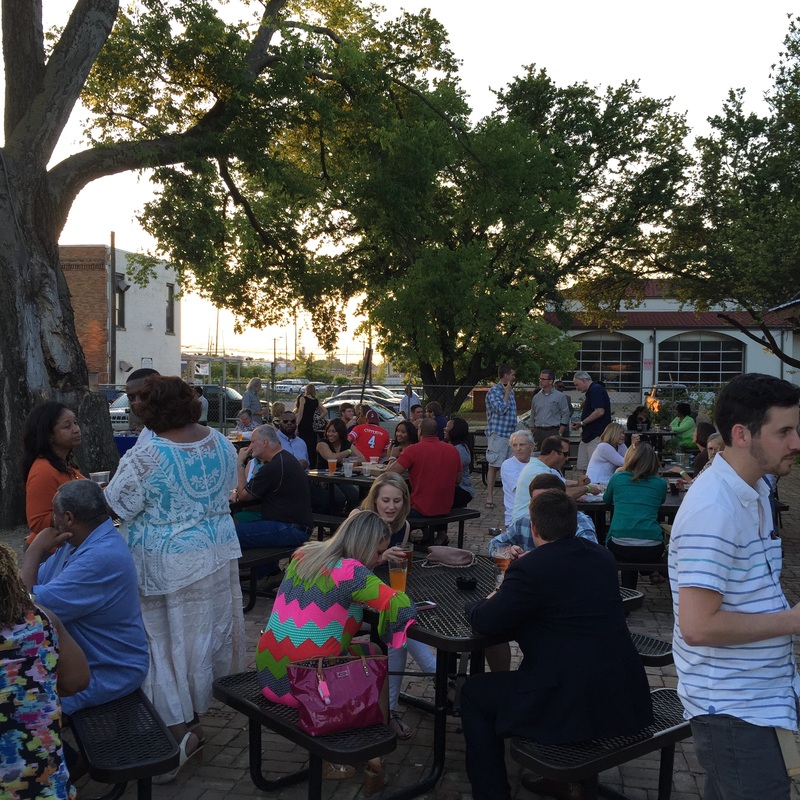
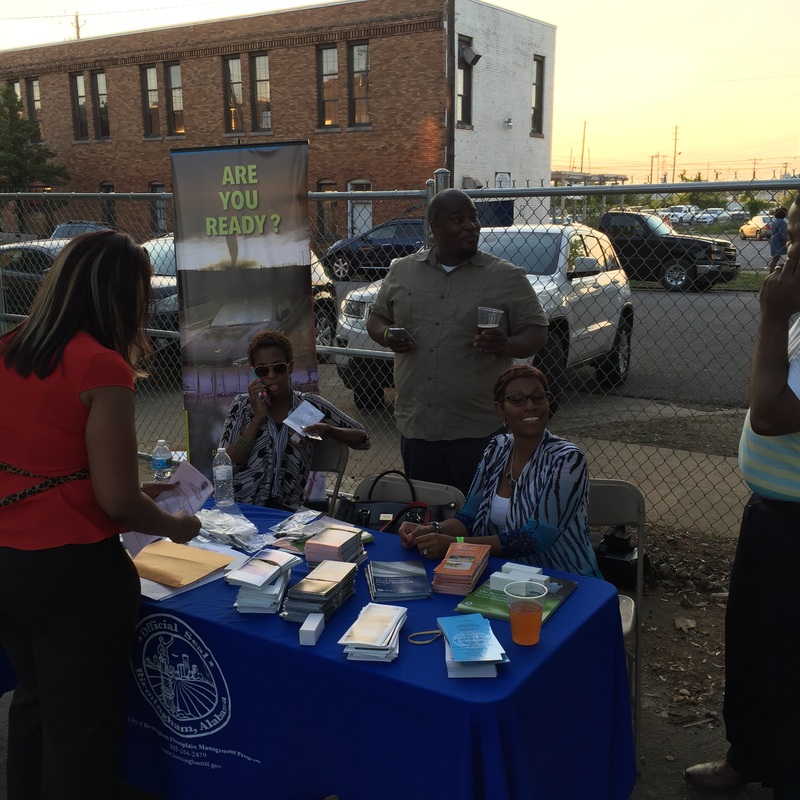
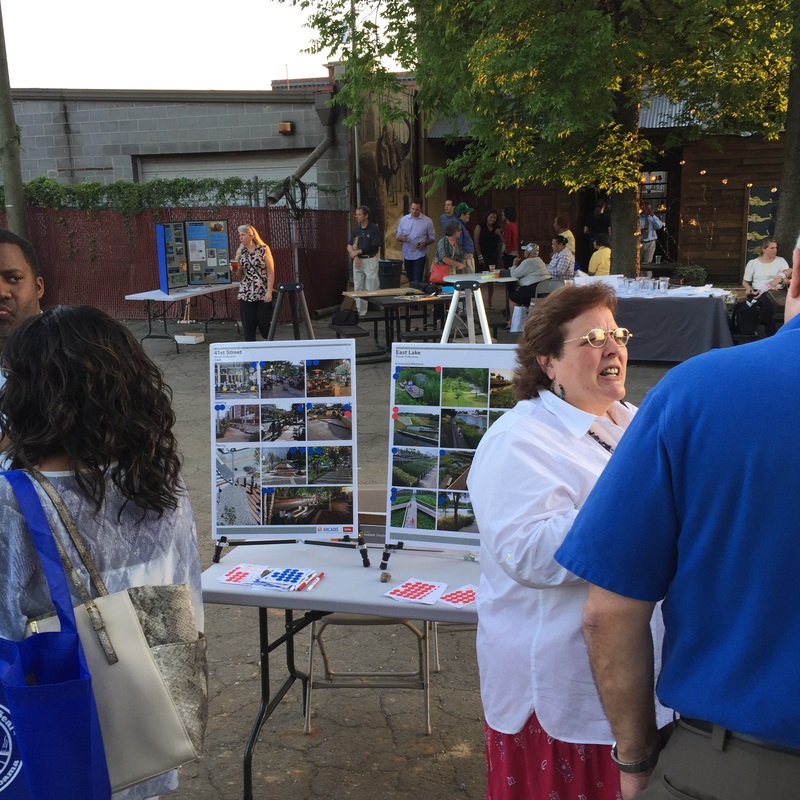

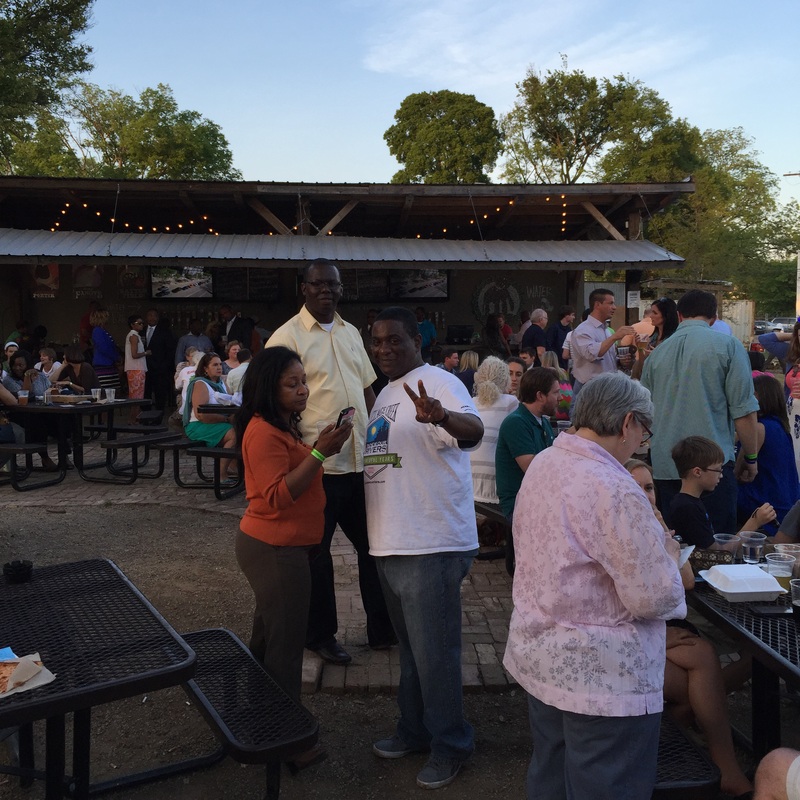
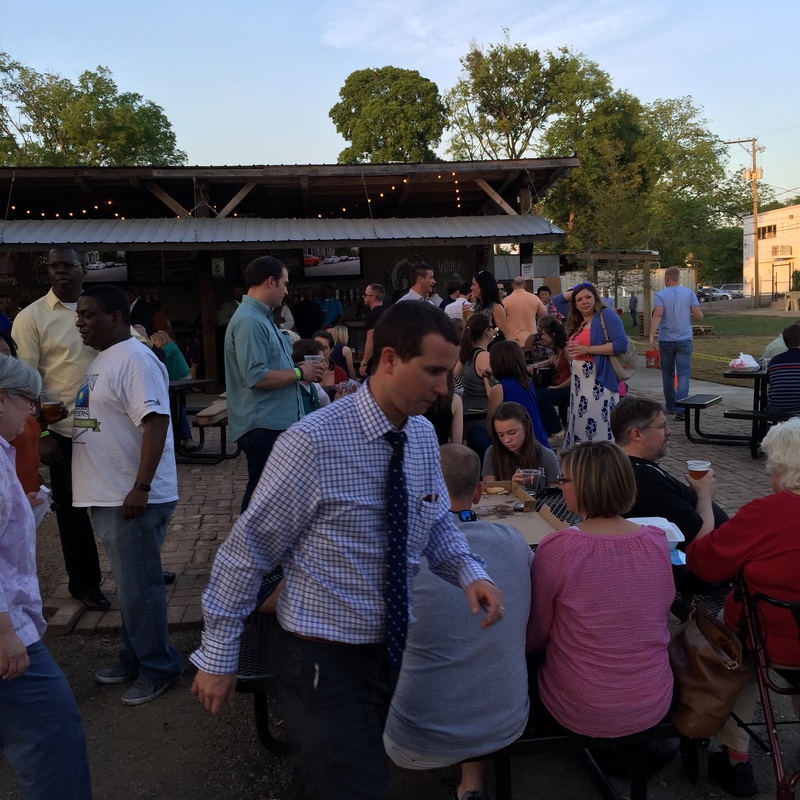
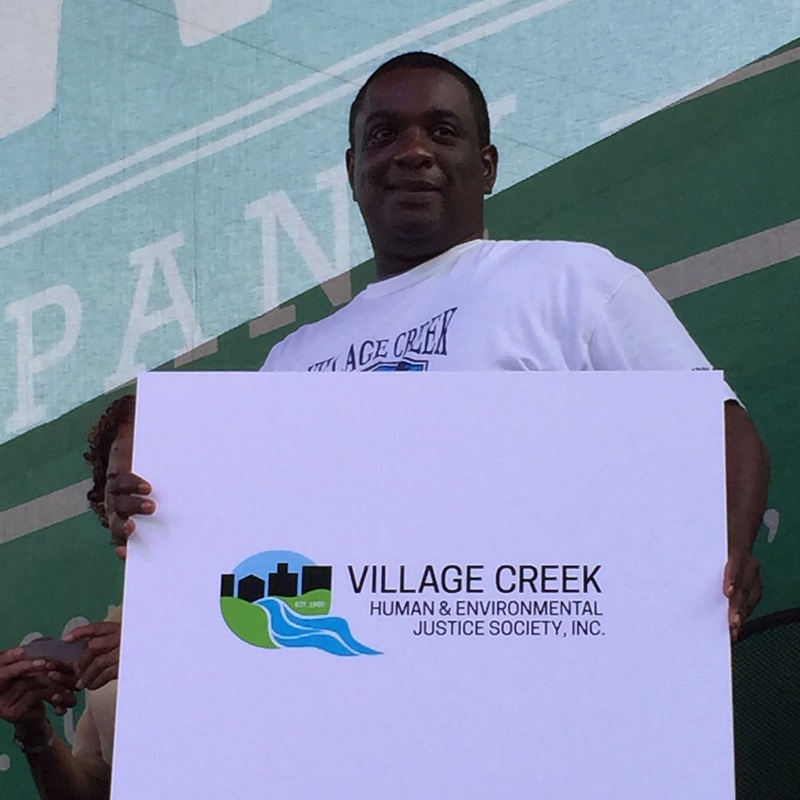
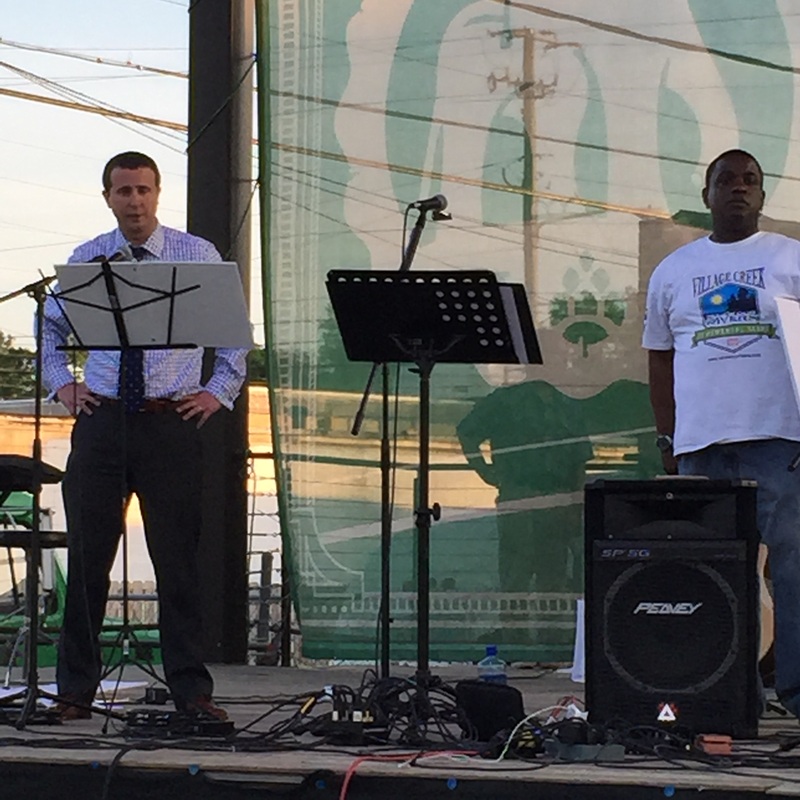
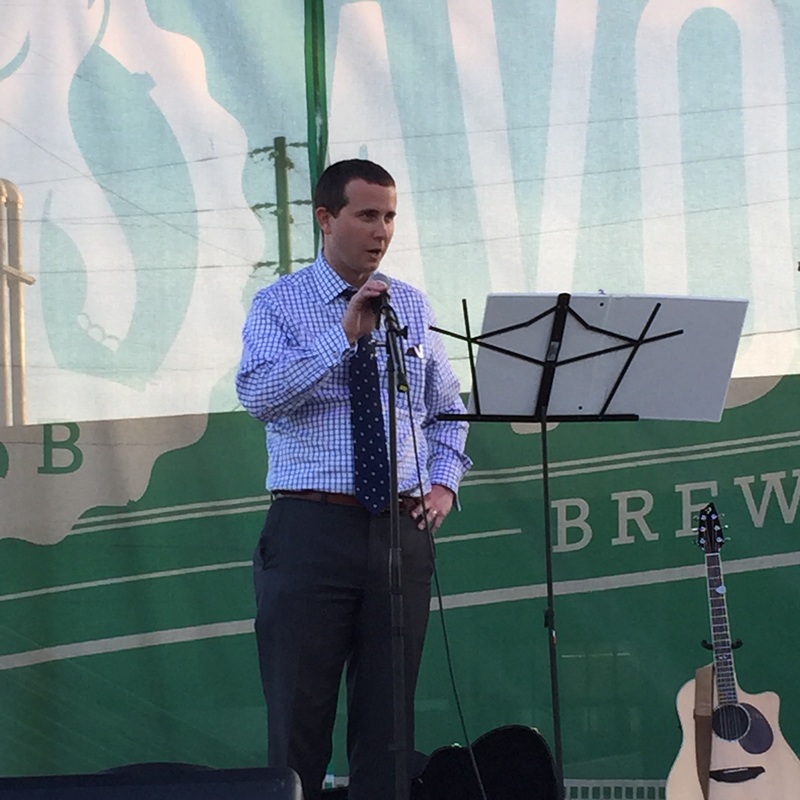
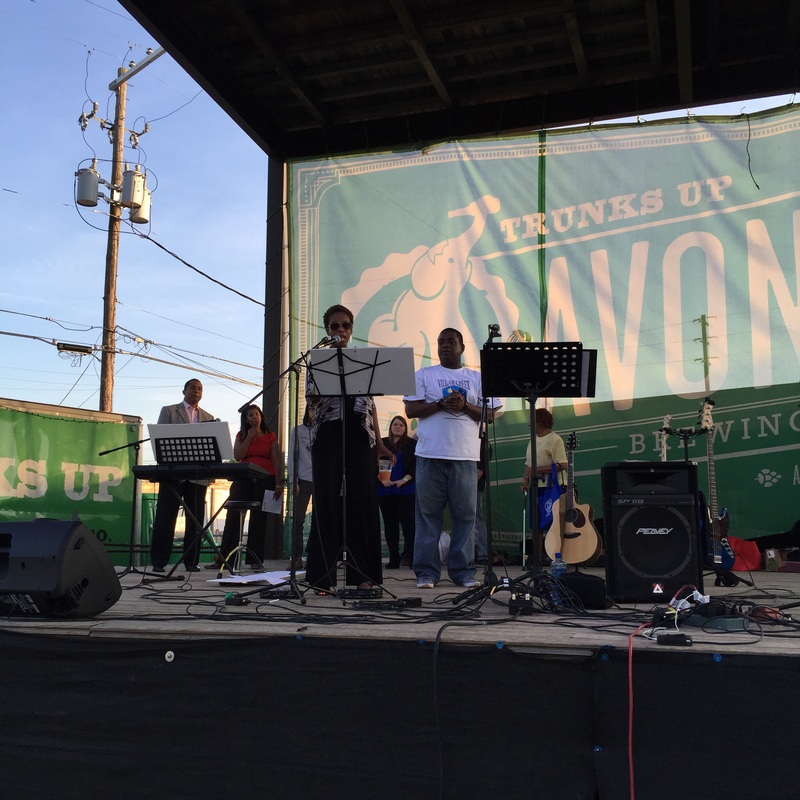
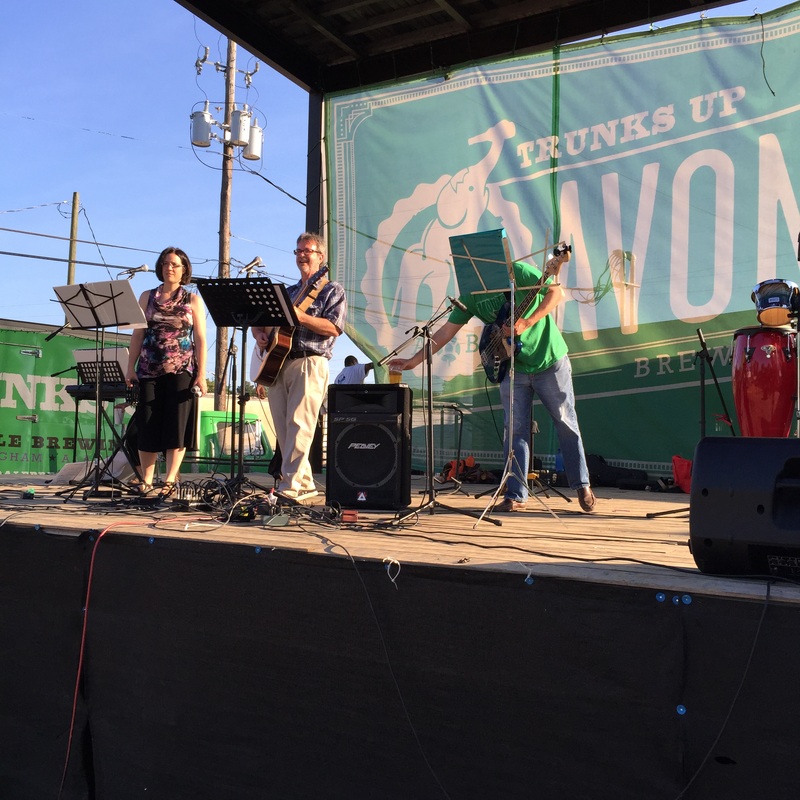
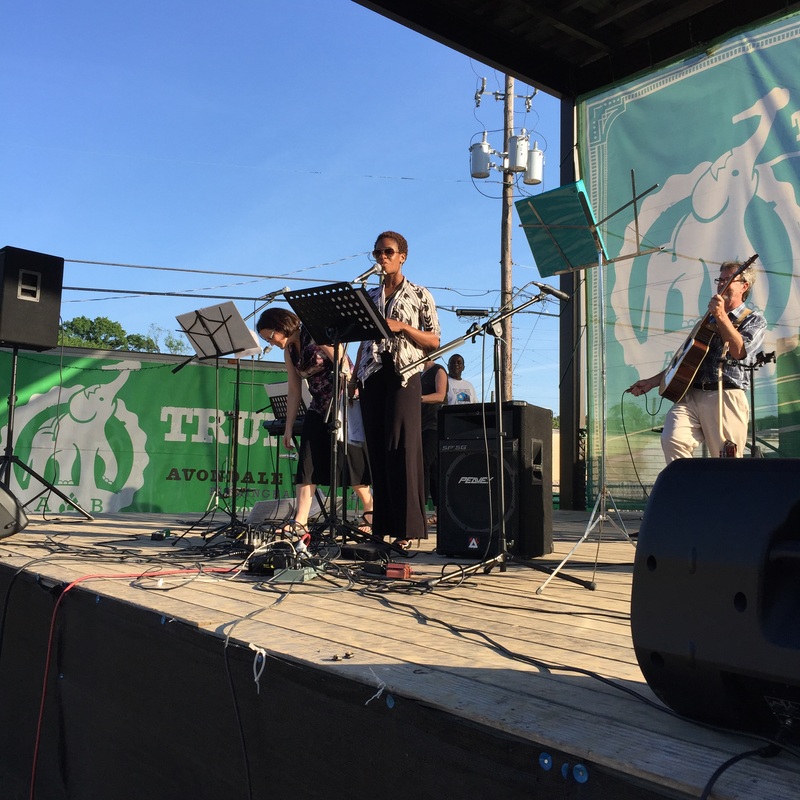
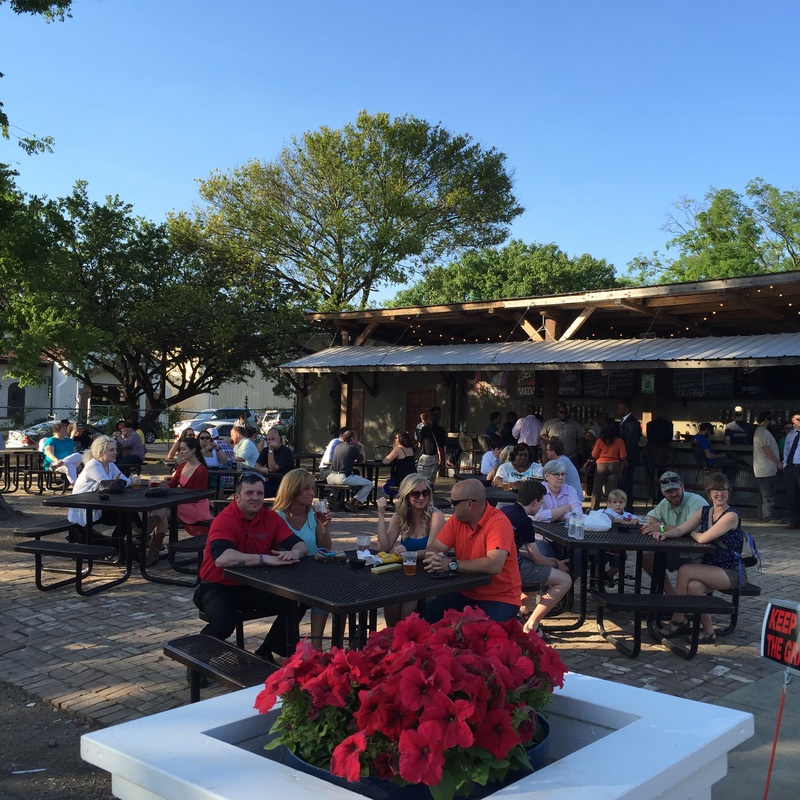
Have a brew, support the watershed: Village Creek Society fundraiser at Avondale Brewery tonight May 7th, 2015

Raise a glass for environmental preservation this evening as the Village Creek Society presents a fundraiser at Avondale Brewery from 5:30 to 9:30.
Executive director, Yohance Owens, said tonight's event provides an opportunity to raise awareness and money to support projects along Village Creek, while also patrons enjoy the locally produced beer and share information about the organization.
"I am looking forward to pushing thru the projects that Village Creek Society has worked on tirelessly for many years to become a reality," said Owens, who recently succeeded longtime director, Mable Anderson. "Today is a new day for Village Creek Society."
Owens said community cleanups thru different parts of Village Creek and its watershed will develop partnerships with different organizations, which could also lead to economic development in the area.
All the efforts play a role in the group's goal of advocacy to maintain and preserve the Creek and control flooding along the watershed, he said.
The group Saturday will continue its series of multiple creek cleanups with a student-led event near Jackson-Olin High School. Activities begin at 8 a.m.
The Village Creek Society in January collaborated with Hands on Birmingham, where more than 200 volunteers performed a massive clean at the creek and its banks in Ensley. The cleanup included high school and college students and neighbors.
Cleanups continue this summer with a July 18 event presented by the society, Birmingham Audubon Society and Friends of East Lake.
Another cleanup is set June 27 for North Pratt Cleanup Day through a partnership with the North Pratt Neighborhood Association.
Source: http://www.al.com/news/birmingham/index.ssf/2015/05/have_a_brew_support_watershed.html
Executive director, Yohance Owens, said tonight's event provides an opportunity to raise awareness and money to support projects along Village Creek, while also patrons enjoy the locally produced beer and share information about the organization.
"I am looking forward to pushing thru the projects that Village Creek Society has worked on tirelessly for many years to become a reality," said Owens, who recently succeeded longtime director, Mable Anderson. "Today is a new day for Village Creek Society."
Owens said community cleanups thru different parts of Village Creek and its watershed will develop partnerships with different organizations, which could also lead to economic development in the area.
All the efforts play a role in the group's goal of advocacy to maintain and preserve the Creek and control flooding along the watershed, he said.
The group Saturday will continue its series of multiple creek cleanups with a student-led event near Jackson-Olin High School. Activities begin at 8 a.m.
The Village Creek Society in January collaborated with Hands on Birmingham, where more than 200 volunteers performed a massive clean at the creek and its banks in Ensley. The cleanup included high school and college students and neighbors.
Cleanups continue this summer with a July 18 event presented by the society, Birmingham Audubon Society and Friends of East Lake.
Another cleanup is set June 27 for North Pratt Cleanup Day through a partnership with the North Pratt Neighborhood Association.
Source: http://www.al.com/news/birmingham/index.ssf/2015/05/have_a_brew_support_watershed.html
Newetters
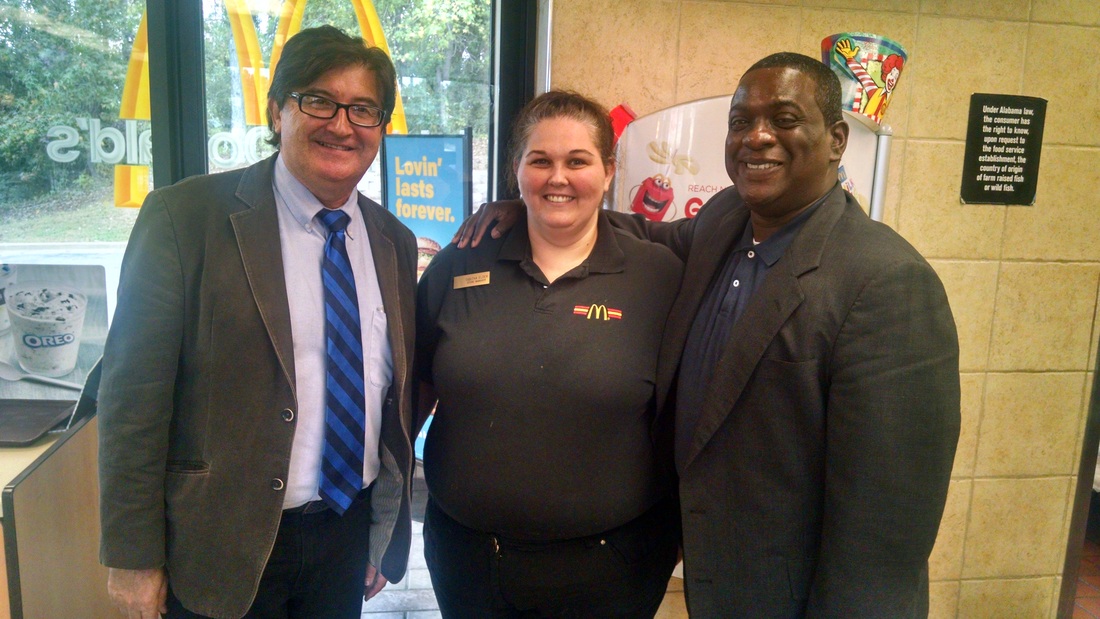
McDonald's Partnership
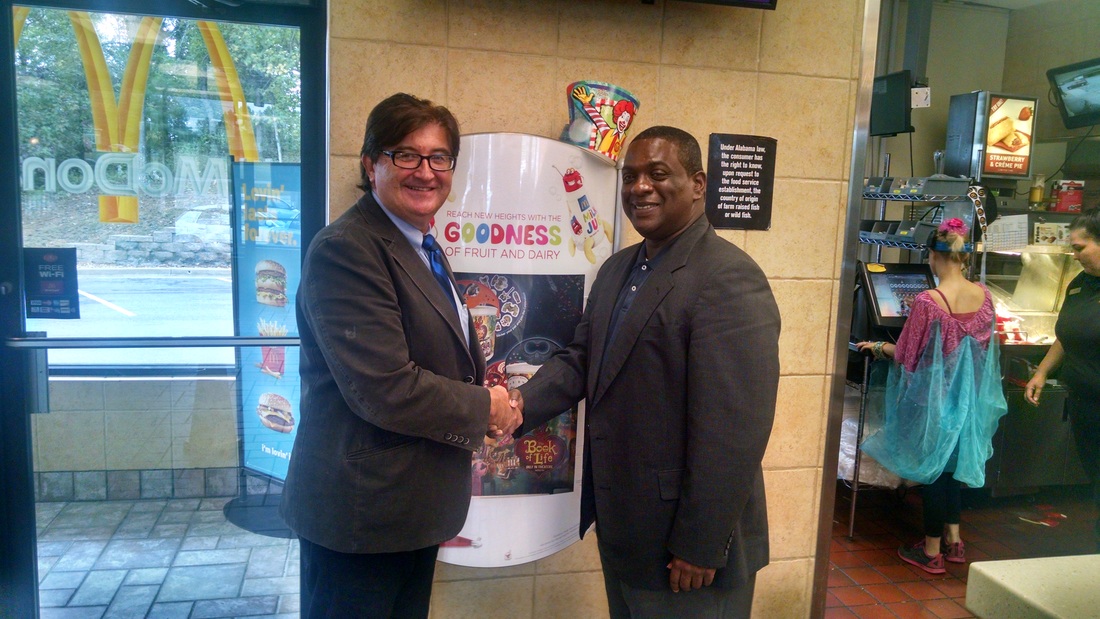
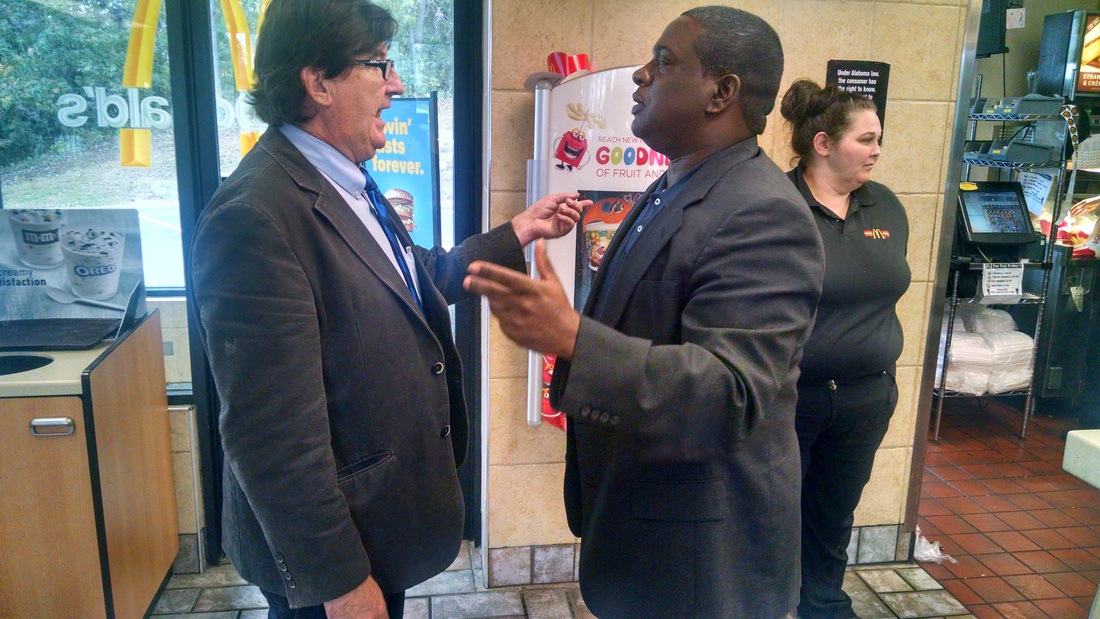
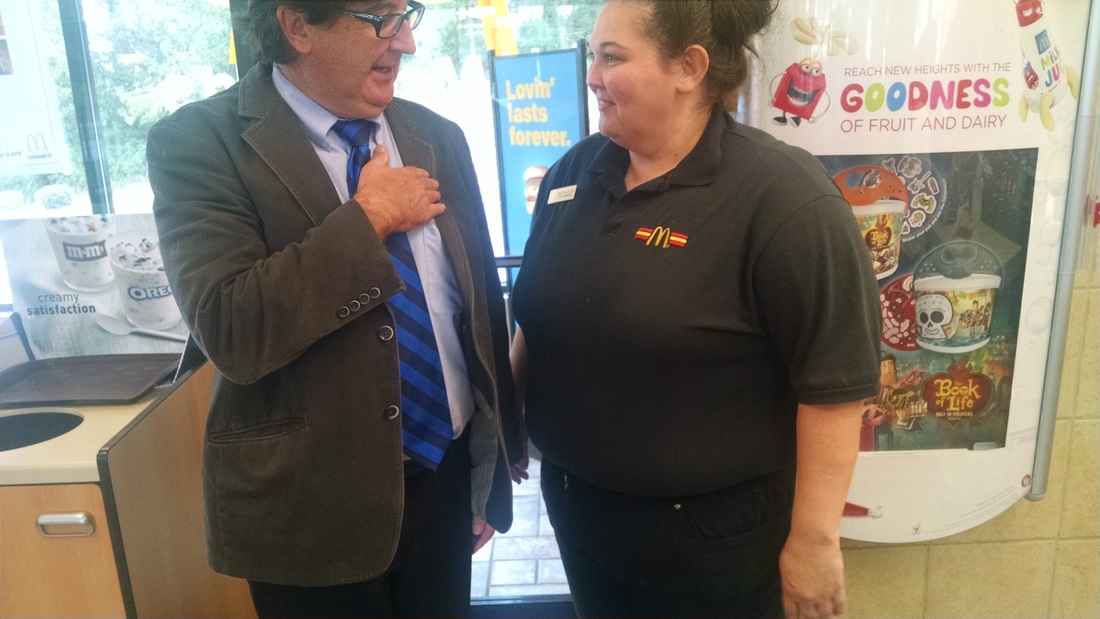
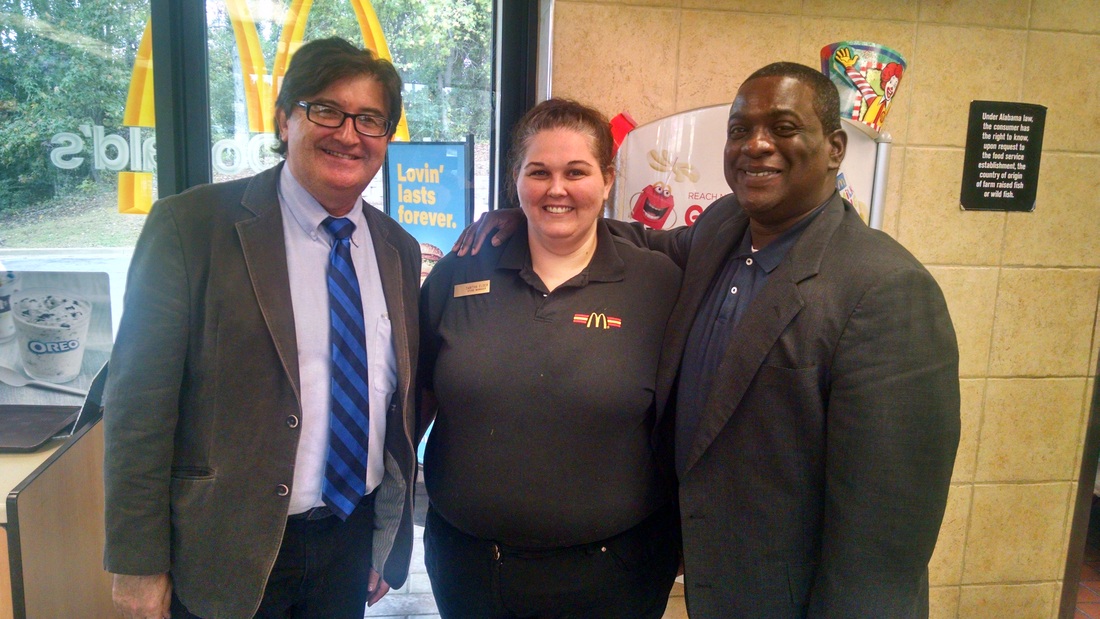
Village Creek Human and Justice Society would like to thank Anthony Paul Gonzalez Jr. and the staff at the City of Dora McDonald’s for there donation of water and Powerade on October 31, 2014. Water and Powerade was used for the 5K Run in the Junction on November 1, 2014.
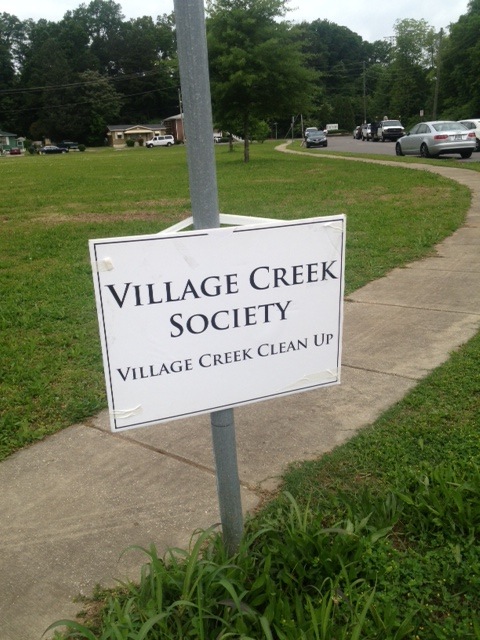
8th Annual Village Creek Cleanup in partnership with Renew Our Rivers.
Thursday, September 19, 2013

Saturday, September 21 Village Creek Society will host its 8th Annual Village Creek Cleanup in partnership with Renew Our Rivers.
We are a proud to announce Birmingham City Councilwoman Valerie Abbott, as the Grand Marshall for this year’s event.
The position of the Grand Marshall is always offered to local individuals that have made invaluable contributions to our communities though their service. Grand Marshall’s have the opportunity to tour the creek area, connect with our volunteers and personally experience the impact being made through Village Creek cleanups. Previous Grand Marshall's have included: Senator Linda Coleman, Birmingham City Councilman Roderick Royal, and Representative Juandalynn Givan.
Village Creek Society would like to thank Councilwoman Abbott for her continued support of our mission and her stewardship of our communities.
We are a proud to announce Birmingham City Councilwoman Valerie Abbott, as the Grand Marshall for this year’s event.
The position of the Grand Marshall is always offered to local individuals that have made invaluable contributions to our communities though their service. Grand Marshall’s have the opportunity to tour the creek area, connect with our volunteers and personally experience the impact being made through Village Creek cleanups. Previous Grand Marshall's have included: Senator Linda Coleman, Birmingham City Councilman Roderick Royal, and Representative Juandalynn Givan.
Village Creek Society would like to thank Councilwoman Abbott for her continued support of our mission and her stewardship of our communities.
The 5th Annual Village Creek Clean-Up with Student Leadership Was a Success!
June 6, 1013
Each year, Village Creek Society organizes high school students from Birmingham city, county, and private schools to clean Village Creek . This unified effort helps to control flooding of the creek and restore the surrounding area to its natural luster. Students also have the unique opportunity to earn community service hours and meaningful leadership experience.
On Saturday, May 11th 7:30 a.m. – 12:00 p.m. Village Creek Society held their 5th Annual Village Creek Spring Clean Up with Student Leadership. Ninety- six students from Minor High school and one student from Huffman High School participated in this year’s event. The clean up started at Avenue F and 11th street in Moro Park Ensley and Avenue F and 10th street in South Pratt. The students made an extraordinary impact, removing 2.11 TONS of debris from the Village Creek area.
Mr. Edwin Revell city of Birmingham engineer and Mr. Jonathan Shorts Jefferson County Commission Environmental Analyst served as VCS Clean Up Co-Chairmen. Mr. Revell provided maps of the clean up area and trained the student and adult captains. Mr. Shorts organized the supplies and served as overseer of captains at various clean up areas.
This year VCS partnered with Minor High School Environmental Science teacher Ms. Kenna Allen who was integral in offering her students support and guidance to make this year’s clean up a success. Ms. Allen spearheaded Minor High schools involvement by raising awareness about the clean up and getting the principal and fellow faculty members involved. Dr. David Pike, Minor High School principal and long time supporter of Village Creek Society worked alongside Ms. Allen to coordinate all administrative details for Minor High schools involvement in this years Spring Clean up.
Minor High School students Deanna Ellis, Eric White, La’Vonda Swanson, Denise Bell, and Kristian Toole were our 2013 Spring Clean Up Student Captains. As VCS Student Clean Up Captains these students had the unique privilege of organizing the Clean Up day logistics and recruiting other student volunteers to participate.
Minor High School graduating senior Deanna Ellis said that “Being a part of the Village Creek Clean Up was an interesting experience for each of us leading in the event. We put much work and effort into recruiting students at Minor High to join in the clean-up and after looking back at the experience, I feel a degree of progress and accomplishment."
Kristian Toole, graduating senior at Minor High School also found his experience as a VCS Spring Clean Up Captain to be valuable, stating: "What was most meaningful to me about being a leader in the Village Creek Clean Up was simply being able to see a young generation taking responsibility and cleaning the environment. This experience displays to the community that there is indeed hope for our future since the next generation (this generation) has already displayed its ability to take charge and make a change.”
Village Creek Society would like to thank their Spring Clean Up Partners: Birmingham Public Works Department, Birmingham Fire and Rescue Department, Birmingham Police Department, and Vulcan Material. We would also like to thank Birmingham Councilman Roderick Royal, Wenonah High School faculty members Ms. Denise Rucker and Mr. Jackie Rogers, VCS Advisory Board member Mr. Phillip Hayden and Mr. Jonathan Shorts entire family.
Thank you to the 97 students who participated in the 5TH Annual Village Creek Society Clean Up!
Each year, Village Creek Society organizes high school students from Birmingham city, county, and private schools to clean Village Creek . This unified effort helps to control flooding of the creek and restore the surrounding area to its natural luster. Students also have the unique opportunity to earn community service hours and meaningful leadership experience.
On Saturday, May 11th 7:30 a.m. – 12:00 p.m. Village Creek Society held their 5th Annual Village Creek Spring Clean Up with Student Leadership. Ninety- six students from Minor High school and one student from Huffman High School participated in this year’s event. The clean up started at Avenue F and 11th street in Moro Park Ensley and Avenue F and 10th street in South Pratt. The students made an extraordinary impact, removing 2.11 TONS of debris from the Village Creek area.
Mr. Edwin Revell city of Birmingham engineer and Mr. Jonathan Shorts Jefferson County Commission Environmental Analyst served as VCS Clean Up Co-Chairmen. Mr. Revell provided maps of the clean up area and trained the student and adult captains. Mr. Shorts organized the supplies and served as overseer of captains at various clean up areas.
This year VCS partnered with Minor High School Environmental Science teacher Ms. Kenna Allen who was integral in offering her students support and guidance to make this year’s clean up a success. Ms. Allen spearheaded Minor High schools involvement by raising awareness about the clean up and getting the principal and fellow faculty members involved. Dr. David Pike, Minor High School principal and long time supporter of Village Creek Society worked alongside Ms. Allen to coordinate all administrative details for Minor High schools involvement in this years Spring Clean up.
Minor High School students Deanna Ellis, Eric White, La’Vonda Swanson, Denise Bell, and Kristian Toole were our 2013 Spring Clean Up Student Captains. As VCS Student Clean Up Captains these students had the unique privilege of organizing the Clean Up day logistics and recruiting other student volunteers to participate.
Minor High School graduating senior Deanna Ellis said that “Being a part of the Village Creek Clean Up was an interesting experience for each of us leading in the event. We put much work and effort into recruiting students at Minor High to join in the clean-up and after looking back at the experience, I feel a degree of progress and accomplishment."
Kristian Toole, graduating senior at Minor High School also found his experience as a VCS Spring Clean Up Captain to be valuable, stating: "What was most meaningful to me about being a leader in the Village Creek Clean Up was simply being able to see a young generation taking responsibility and cleaning the environment. This experience displays to the community that there is indeed hope for our future since the next generation (this generation) has already displayed its ability to take charge and make a change.”
Village Creek Society would like to thank their Spring Clean Up Partners: Birmingham Public Works Department, Birmingham Fire and Rescue Department, Birmingham Police Department, and Vulcan Material. We would also like to thank Birmingham Councilman Roderick Royal, Wenonah High School faculty members Ms. Denise Rucker and Mr. Jackie Rogers, VCS Advisory Board member Mr. Phillip Hayden and Mr. Jonathan Shorts entire family.
Thank you to the 97 students who participated in the 5TH Annual Village Creek Society Clean Up!
|
First Name
Ke'auna Eric Desondra Camille Nijal Brittany Todarrius Jerean Andre Francisco Surcena Khamillah Unnhojlee Undre'ya De'Andra Miracle Renissa Johnathan Shardona Patreyna LaPorsha Brea Quinton Jacobi Jermarcus Jasmine Corwin Ketashia Auriel Amberni Malik Rashad Malik Kala Earl Shantrice Marion Domique Adarius Ra'Shunda Cydney Isis Alexis Precious Kyia Bria Janecia D'Andre Holley Fernando Davasco Nigel Grant Randy Anthony Devin Raymond DeJuan Lakia Omeka Jalesha Jeniqua Abimbola Mojisola Alexis Cornessa Erica Leah Chris Victor Kyundra Devontae D. Ja'Ana De'Amber Jerein Jessica Tim Aaliyah Lewis Johnna Joshua Jarita Brianna Antoinette Alyjiah Raven La'Shell Tristin Jeffrey Jeffrey Destinee Stephen Gerome Chanta Jalia Cleveland |
Last Name
Cheatham Edding Ellis Harrison Hill Manuel Speed Tolbert Wilkerson Arreguin Jr. Burchfield Clark Coffee Dorteh Green Green Hall Harris Hollings-Ezell Lark Mays Thompson Wilson Bascomb Bryant Carmichael Carter Cheatham Cooper Copeland Curlton Dawkins Dukes Echols Ellis Frazier Gillard Goodman Grinder Hackett Hardy Harris Hayes Holmes Jackson Kindall Lowery Madison McKaley Medina Mitchell Morrow Patterson Smith Jr. Stephens Jr. Swanson Taylor Toney Watley Williams Young Zeigler Agbaje Agbaje Allen Bennet Broadnax Burke Chandler Christian Clark Danner Davis Davis Dixon Harris Harris Huffman Jackson Jemison Johnson Jones Lewis Long Mayfield McClain McCurdy Moore Powell Rembert Scott Smith Tannehill Taylor Tolliver Wilkins Wilson |
Grade
9 9 9 9 9 9 9 9 9 10 10 10 10 10 10 10 10 10 10 10 10 10 10 11 11 11 11 11 11 11 11 11 11 11 11 11 11 11 11 11 11 11 11 11 11 11 11 11 11 11 11 11 11 11 11 11 11 11 11 11 11 11 12 12 12 12 12 12 12 12 12 12 12 12 12 12 12 12 12 12 12 12 12 12 12 12 12 12 12 12 12 12 12 12 12 12 12 |
School
Minor Minor Minor Minor Minor Minor Minor Minor Minor Minor Minor Minor Minor Minor Minor Minor Huffman Minor Minor Minor Minor Minor Minor Minor Minor Minor Minor Minor Minor Minor Minor Minor Minor Minor Minor Minor Minor Minor Minor Minor Minor Minor Minor Minor Minor Minor Minor Minor Minor Minor Minor Minor Minor Minor Minor Minor Minor Minor Minor Minor Minor Minor Minor Minor Minor Minor Minor Minor Minor Minor Minor Minor Minor Minor Minor Minor Minor Minor Minor Minor Minor Minor Minor Minor Minor Minor Minor Minor Minor Minor Minor Minor Minor Minor Minor Minor Minor |
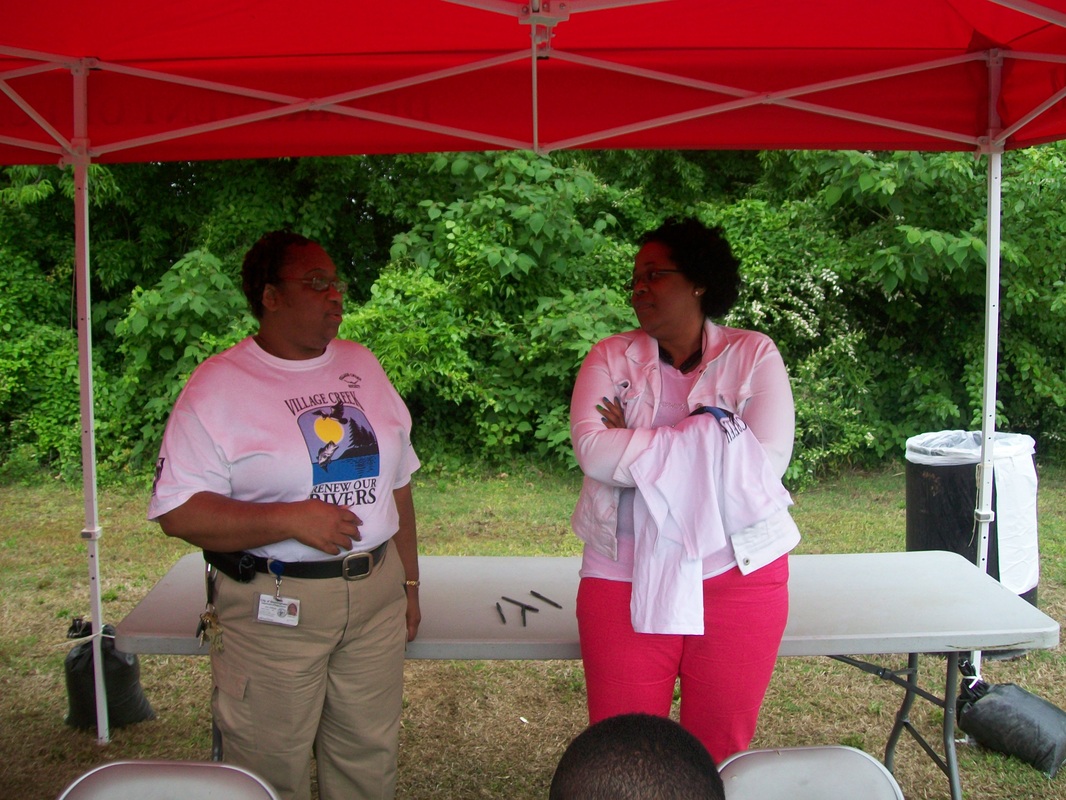
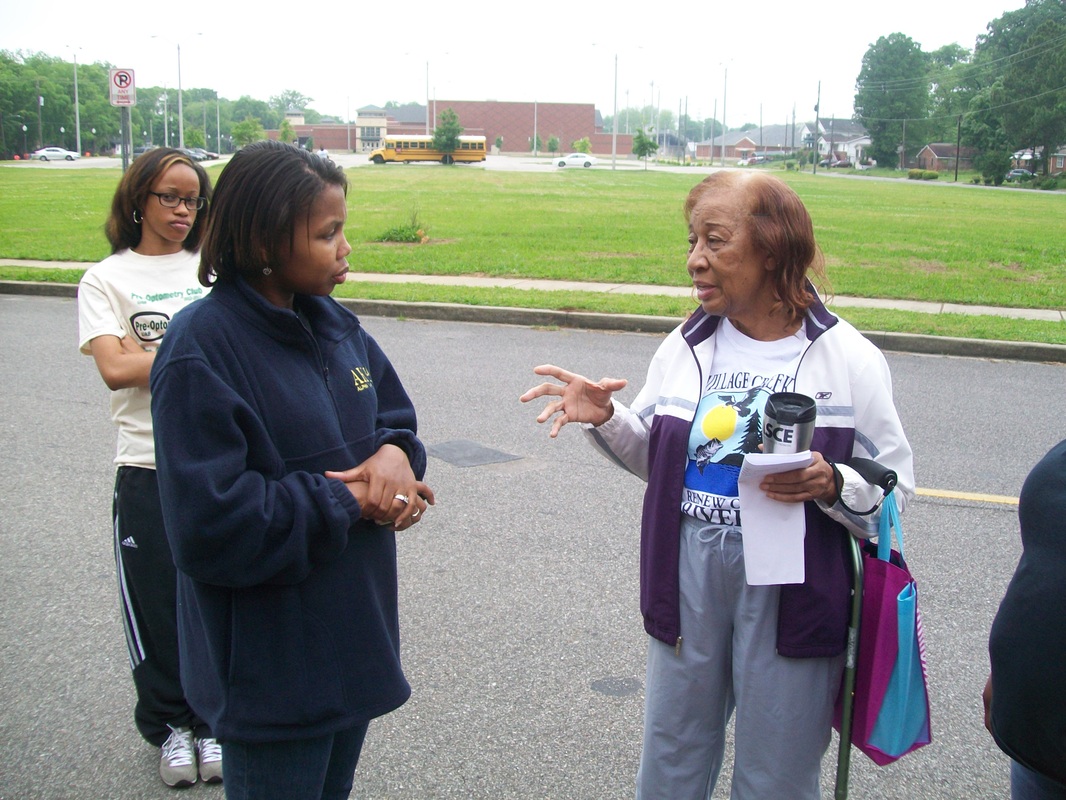
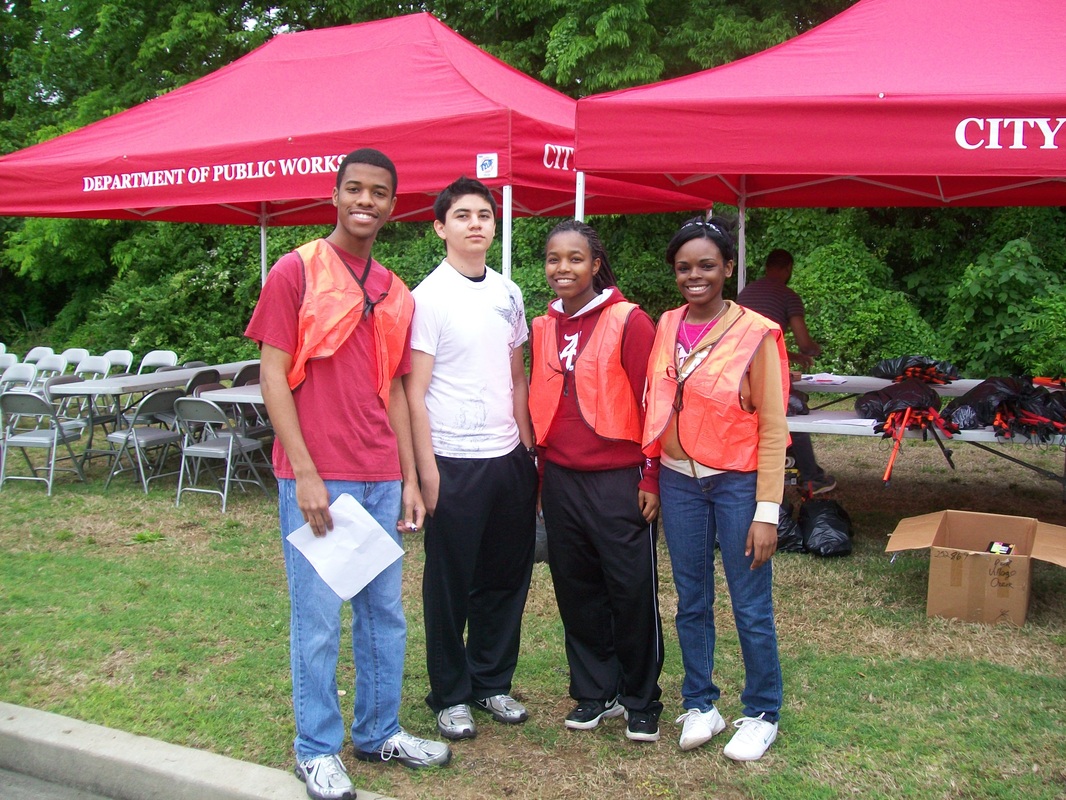
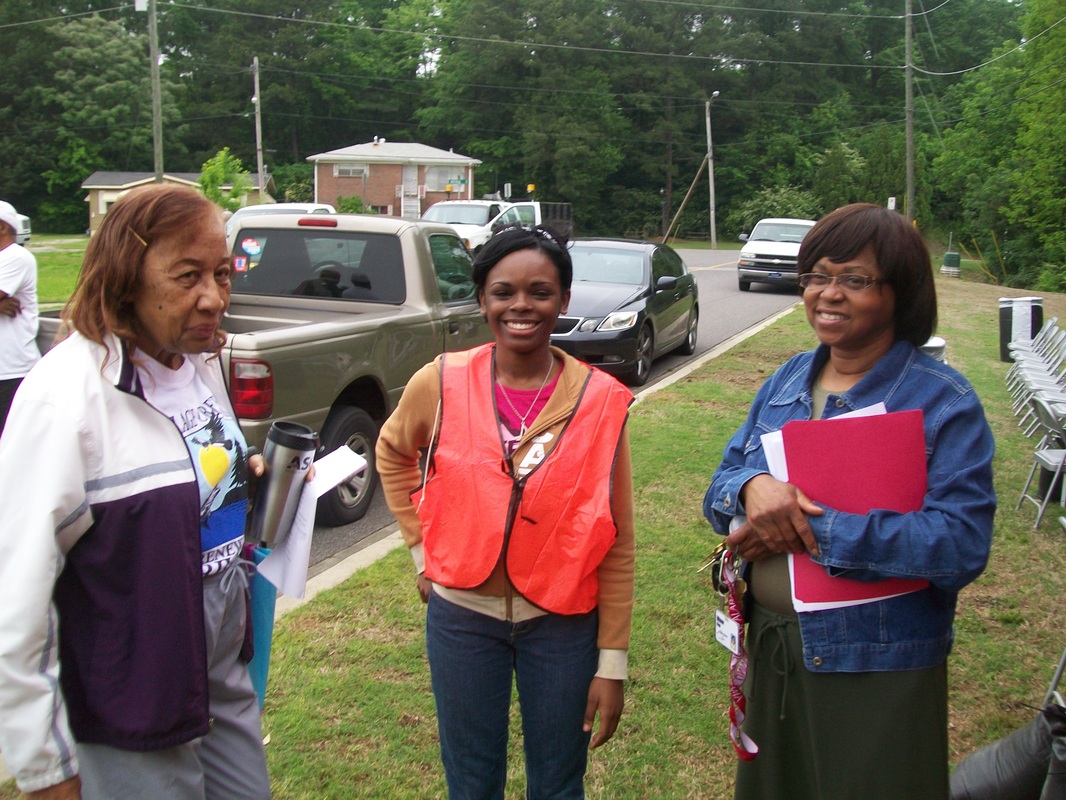
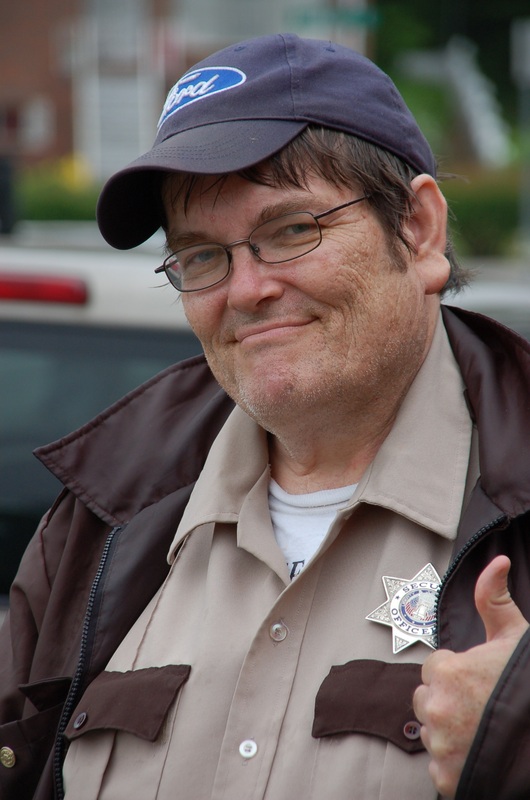
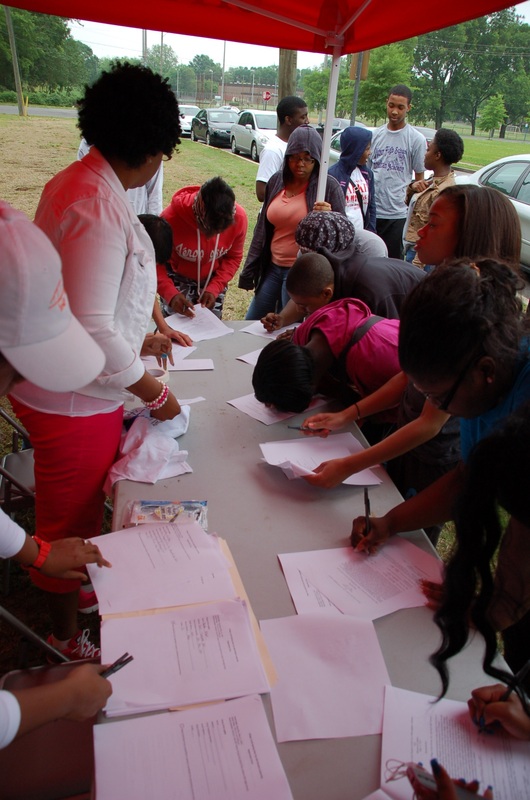
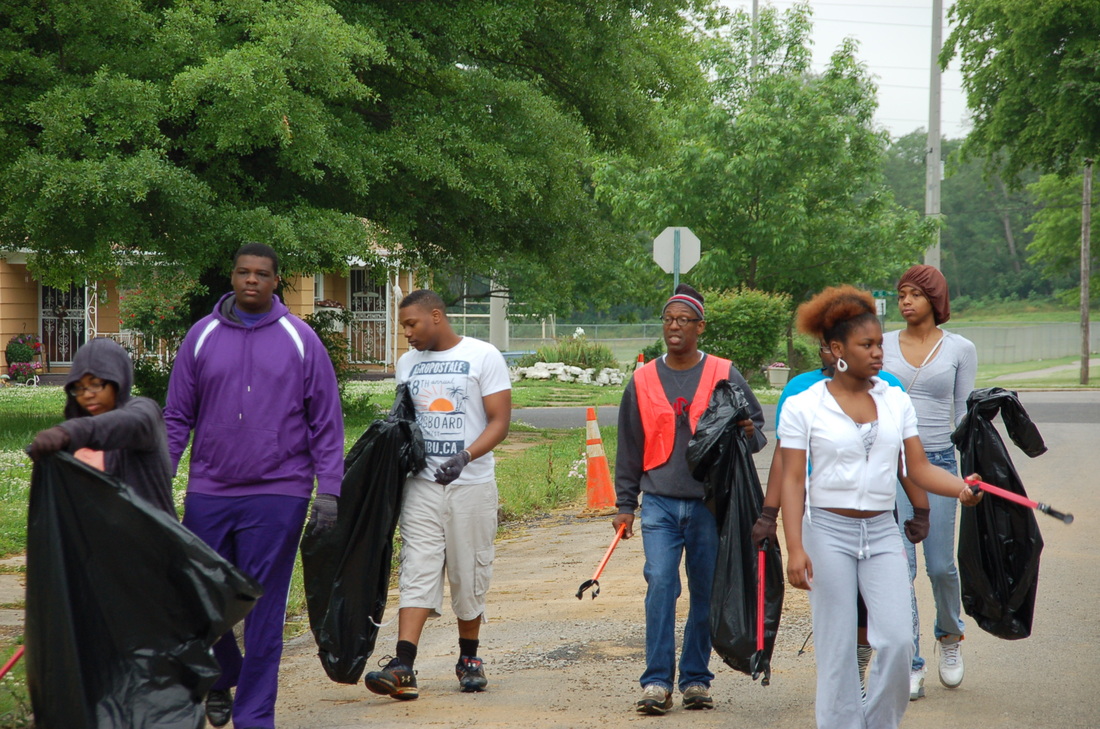
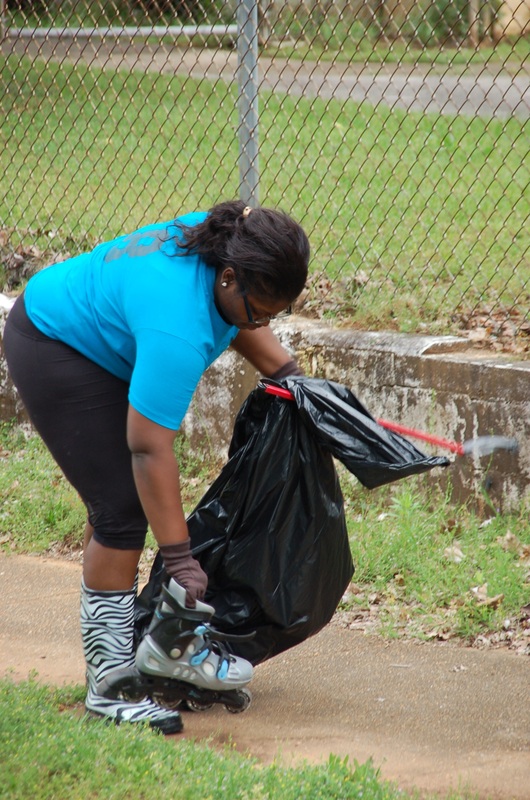
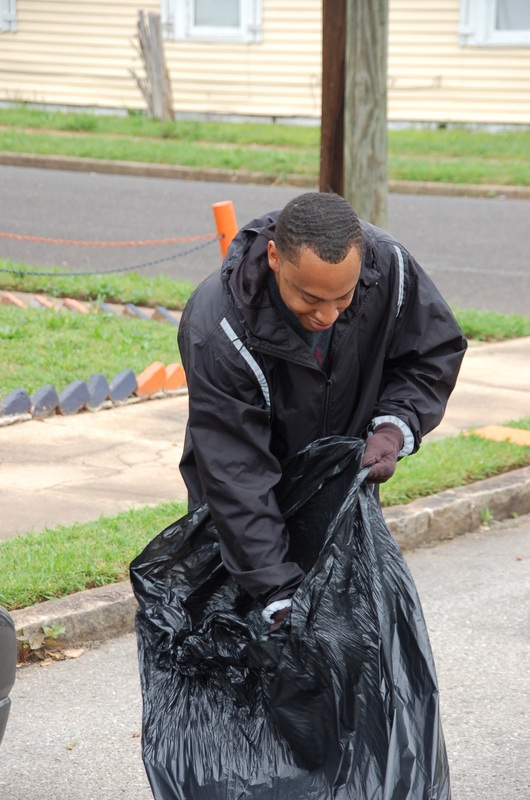
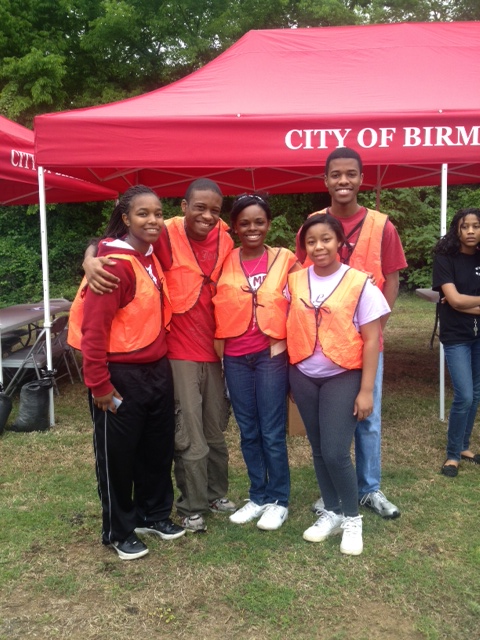
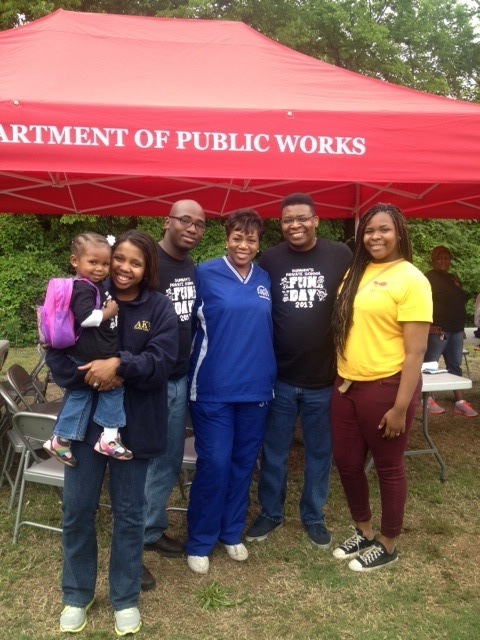
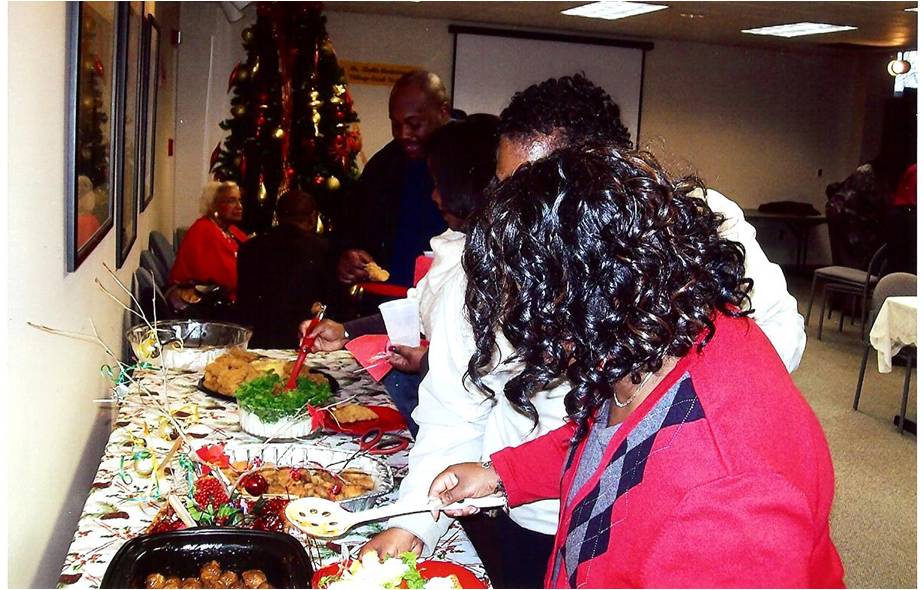
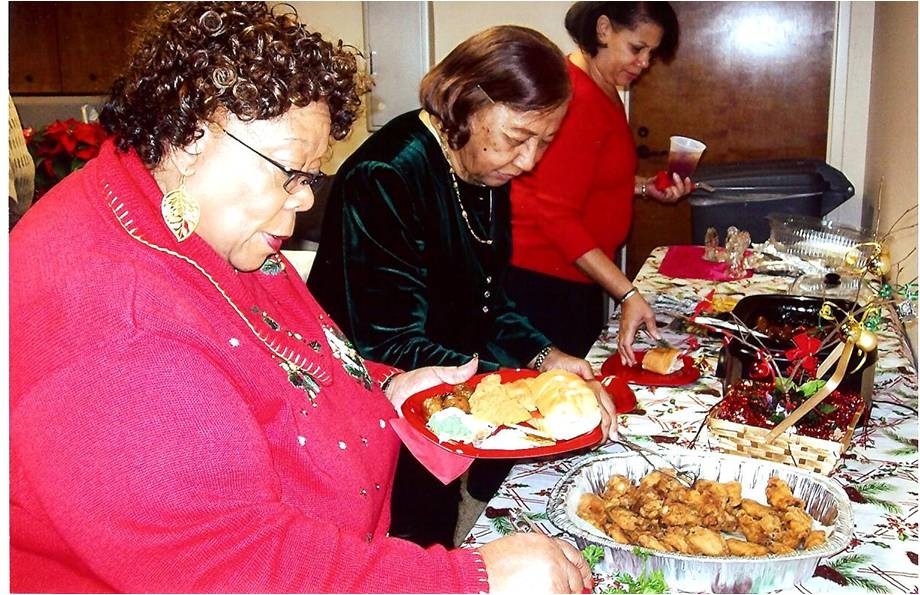
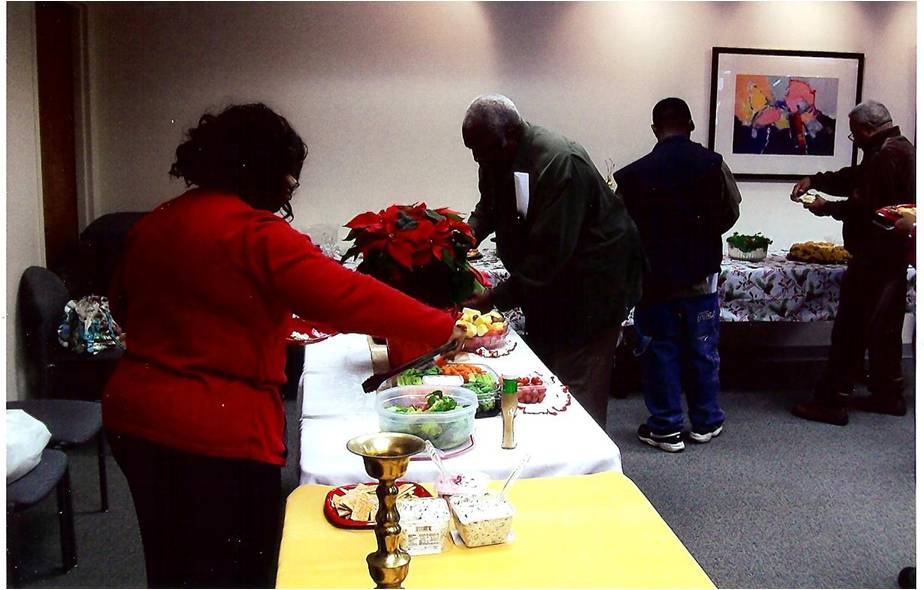
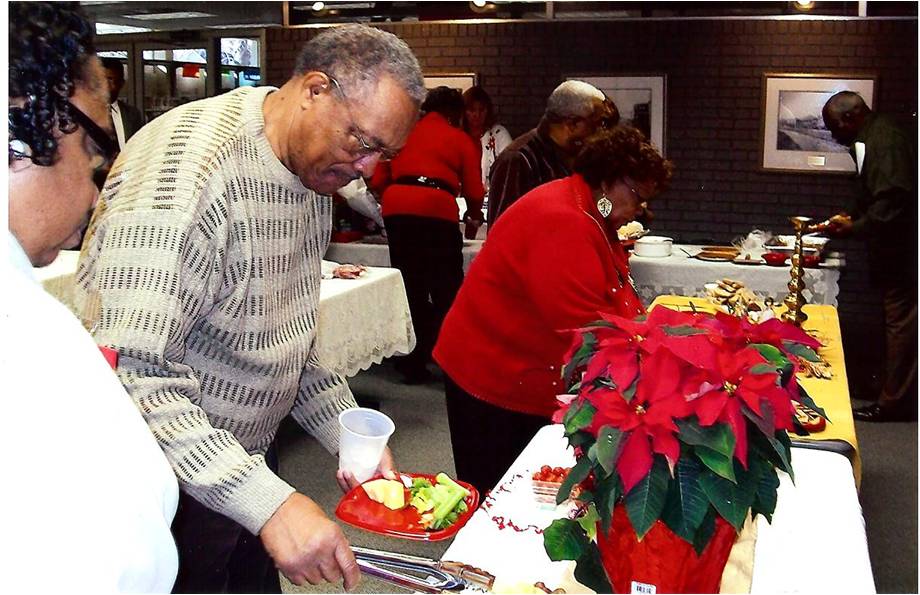
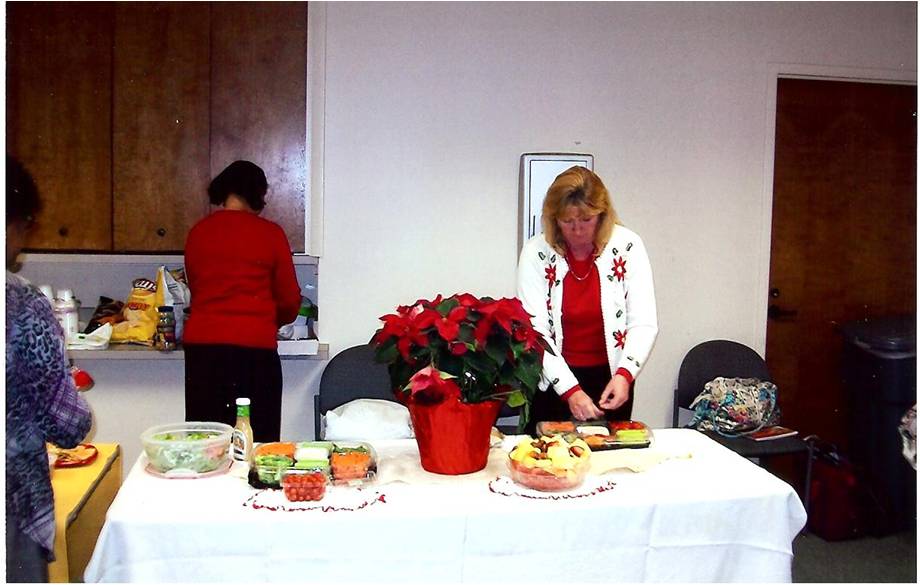
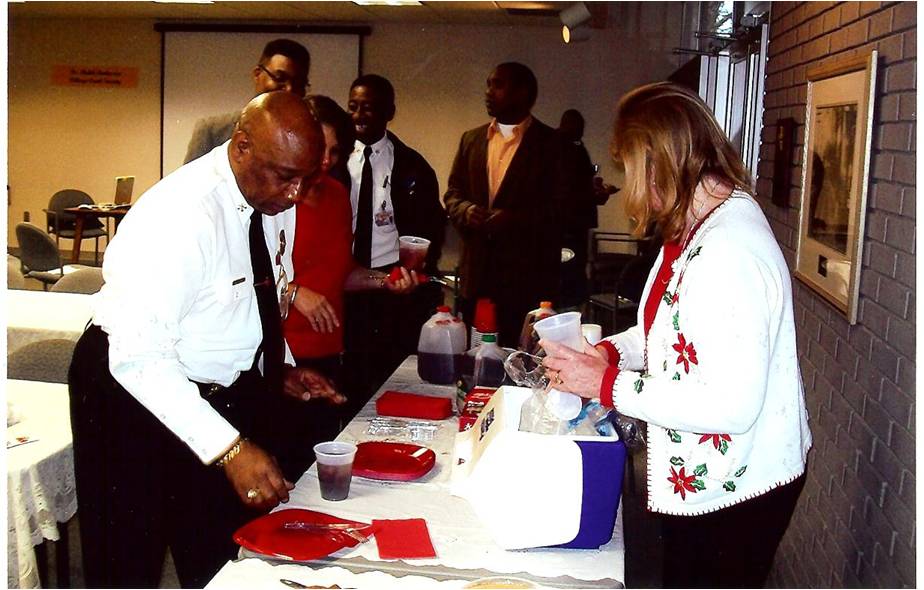
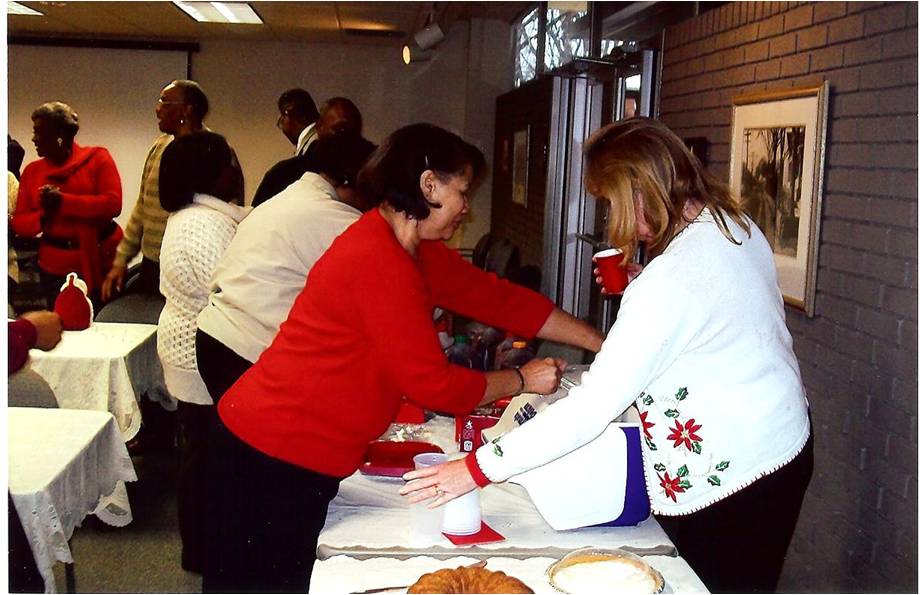
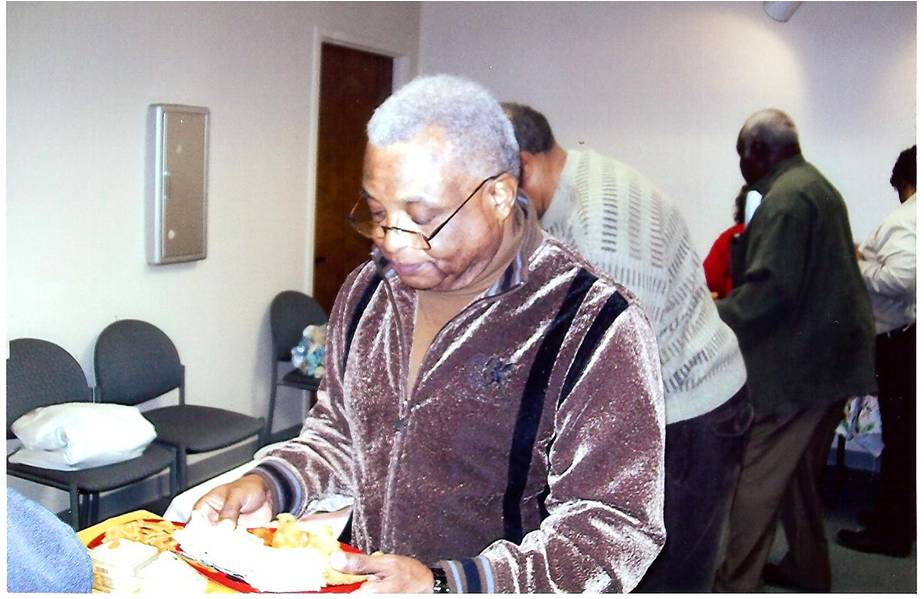
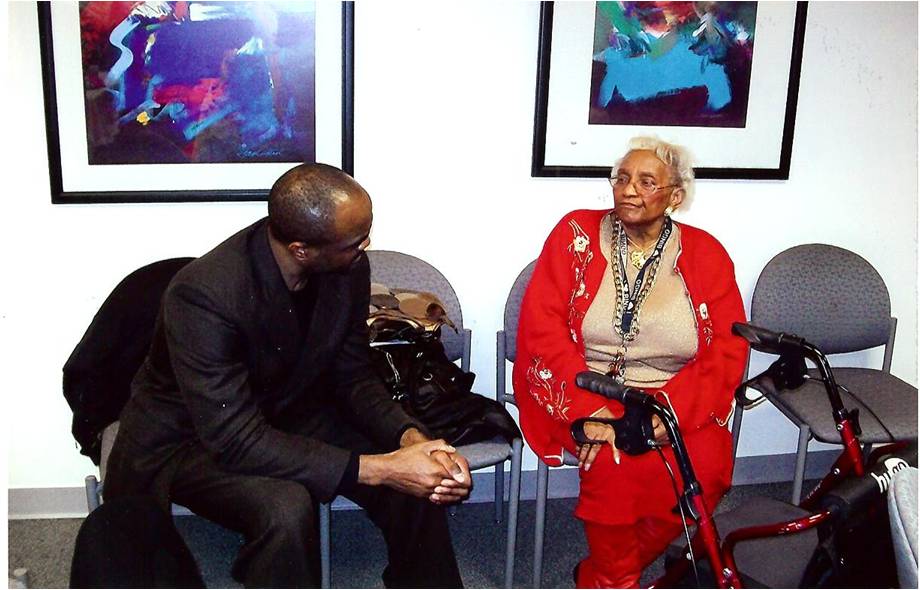
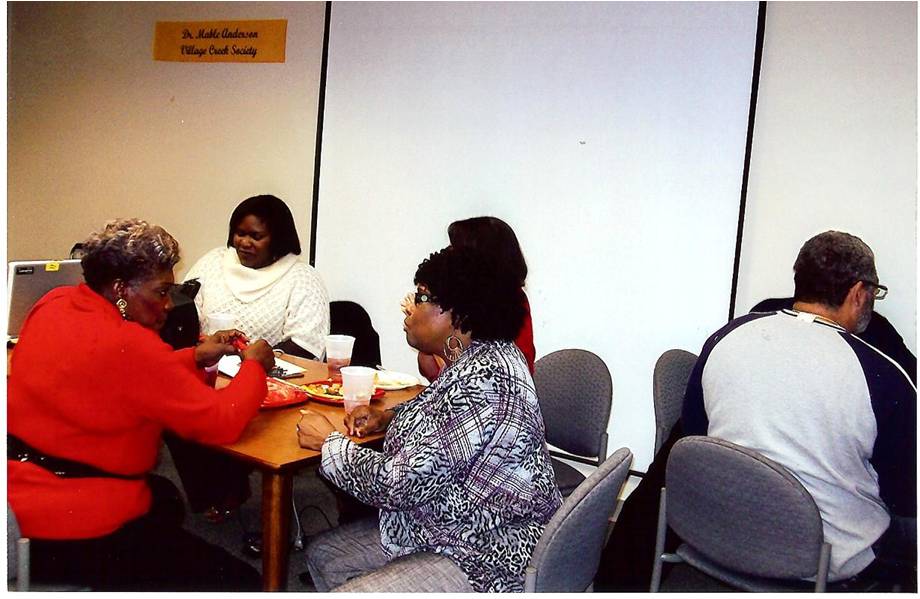
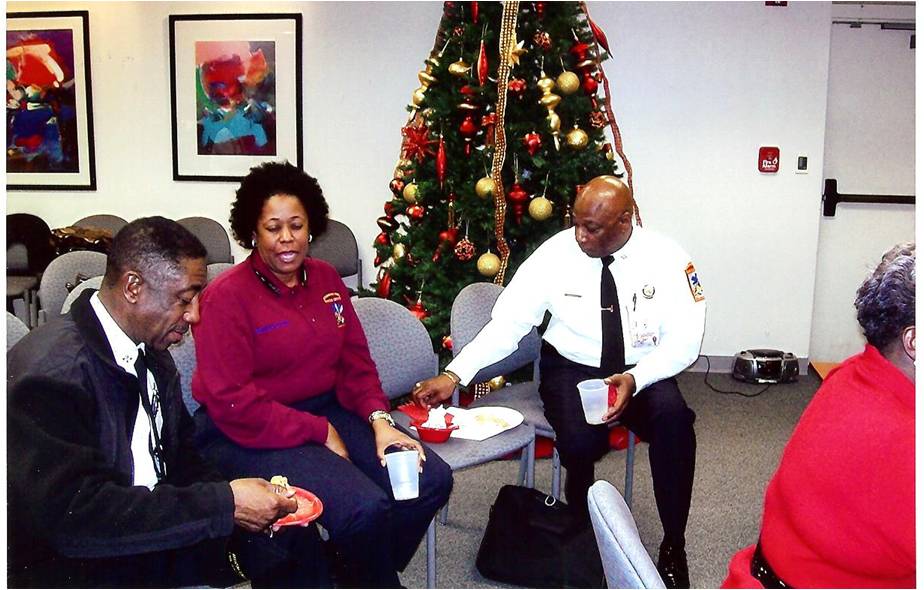
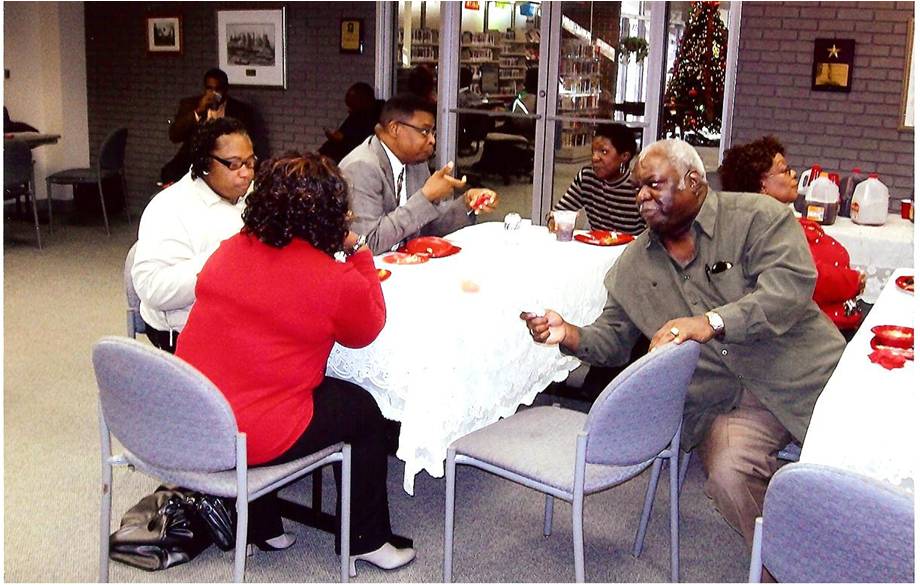
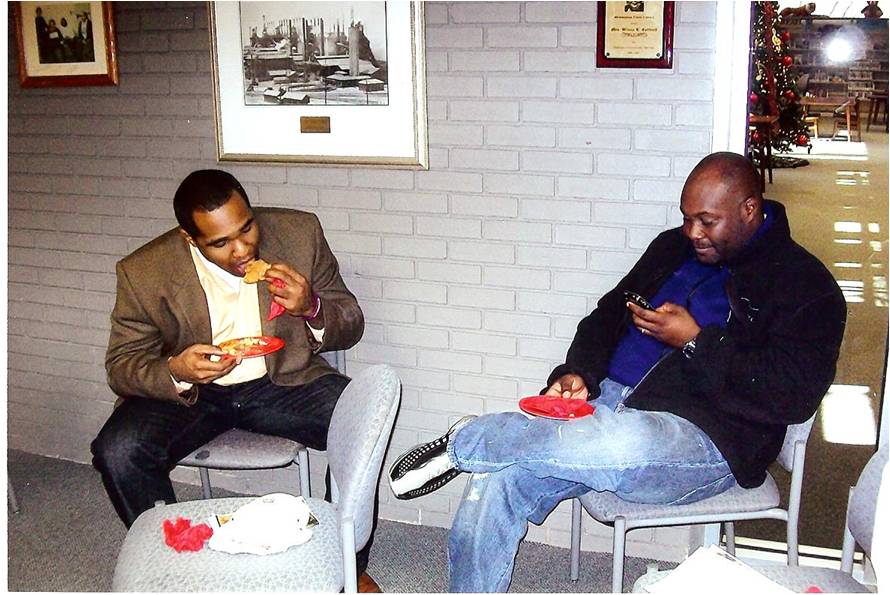
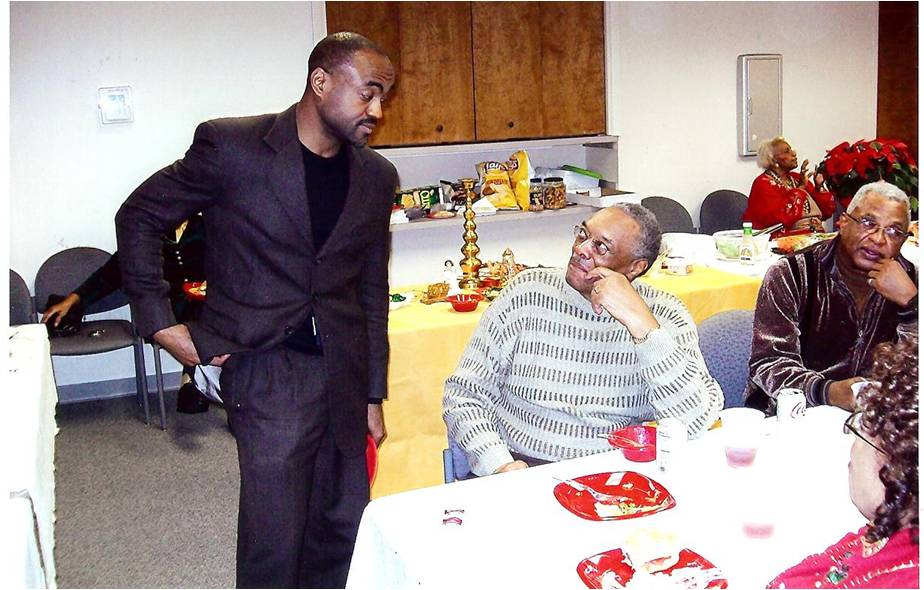
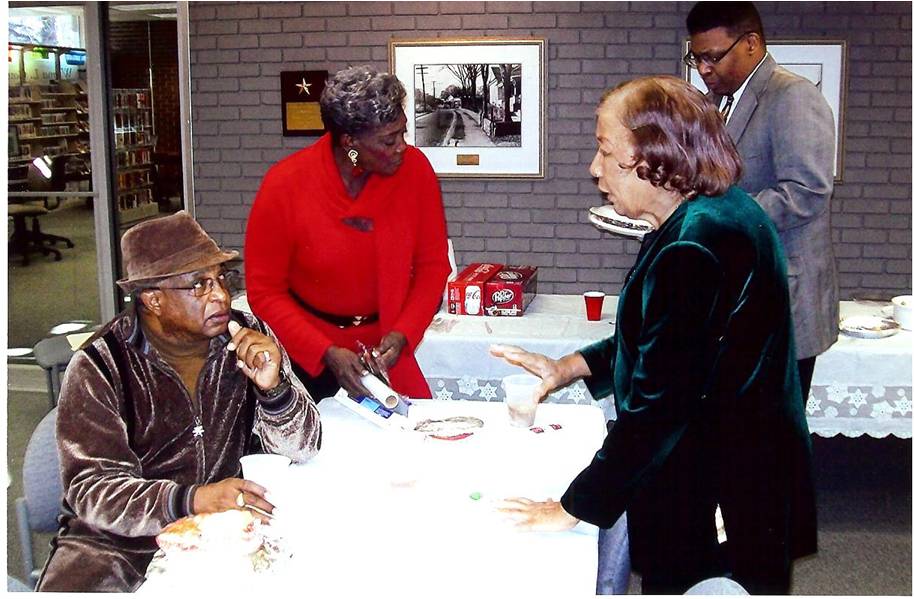
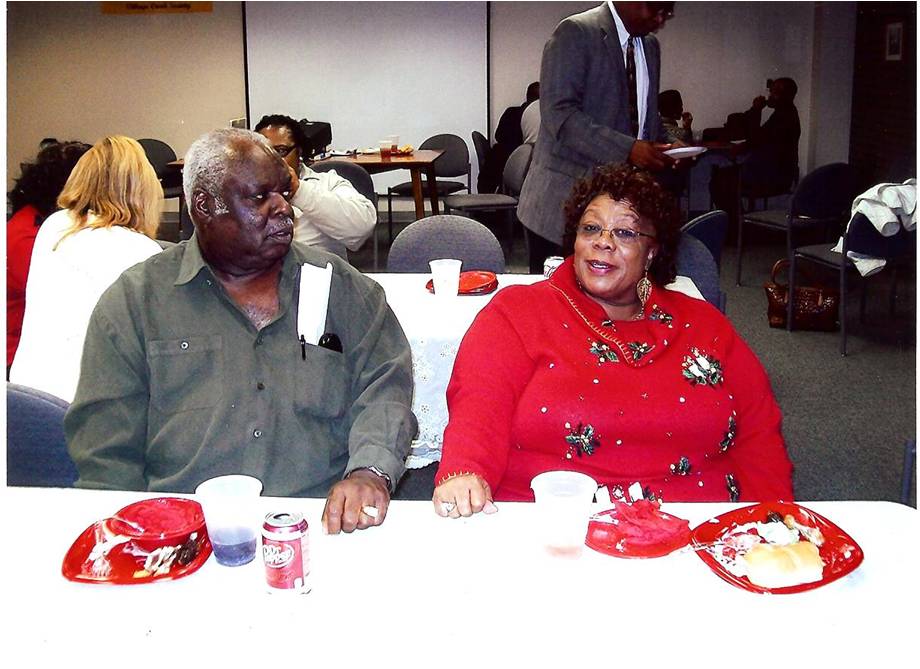
VCS Christmas Meeting and Christmas Party
December 08, 2011
The Business Meeting First
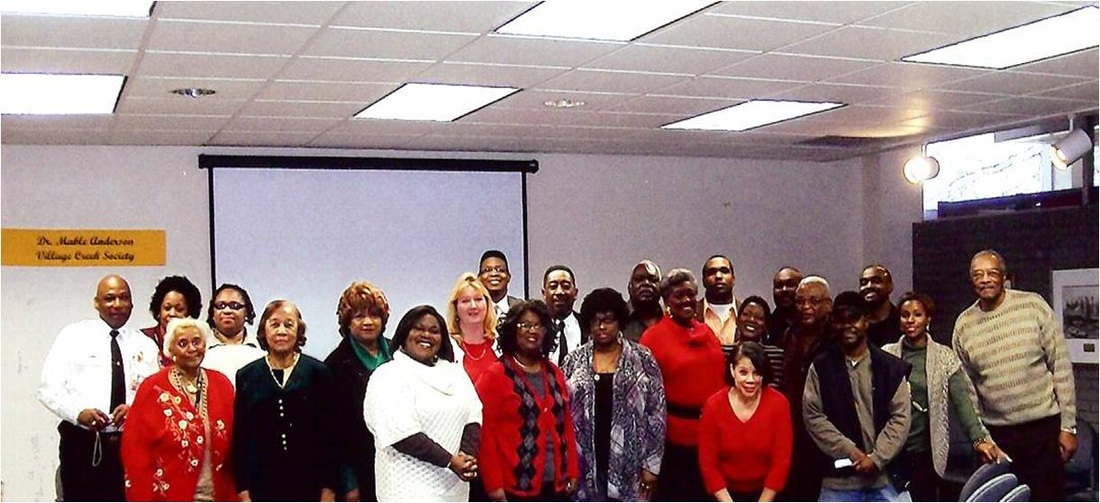
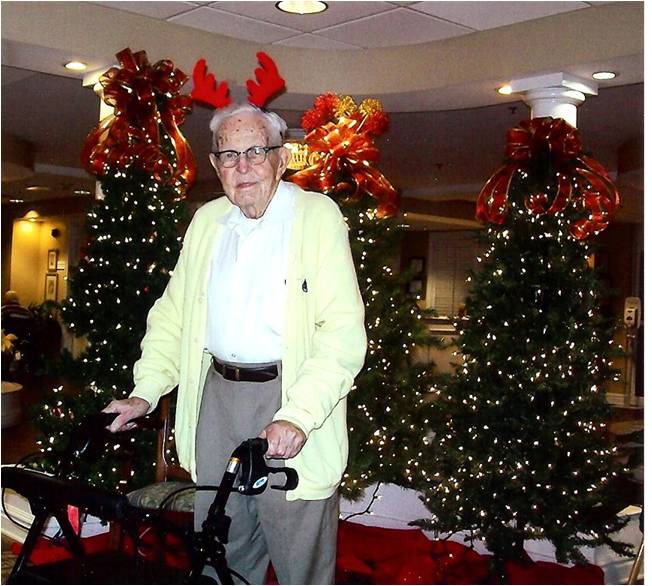
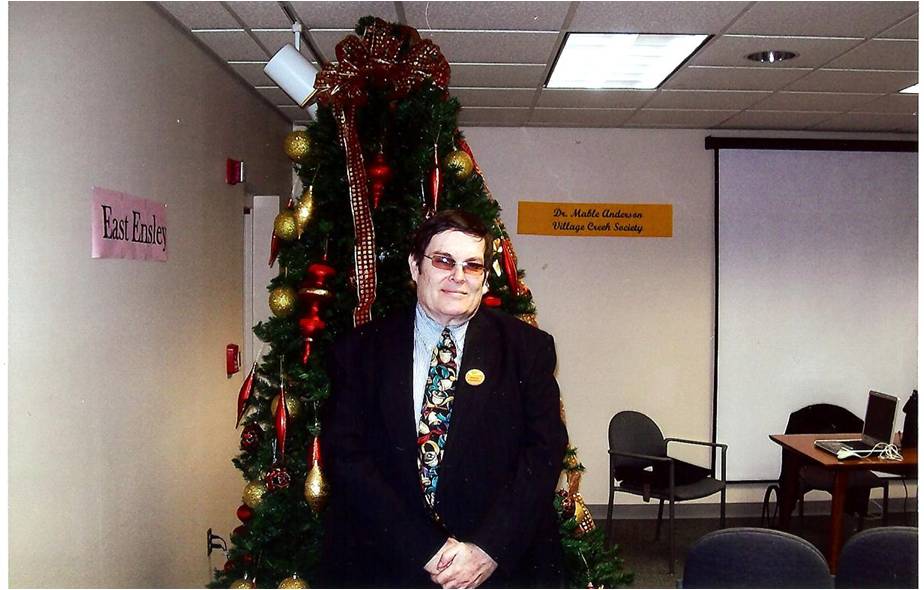
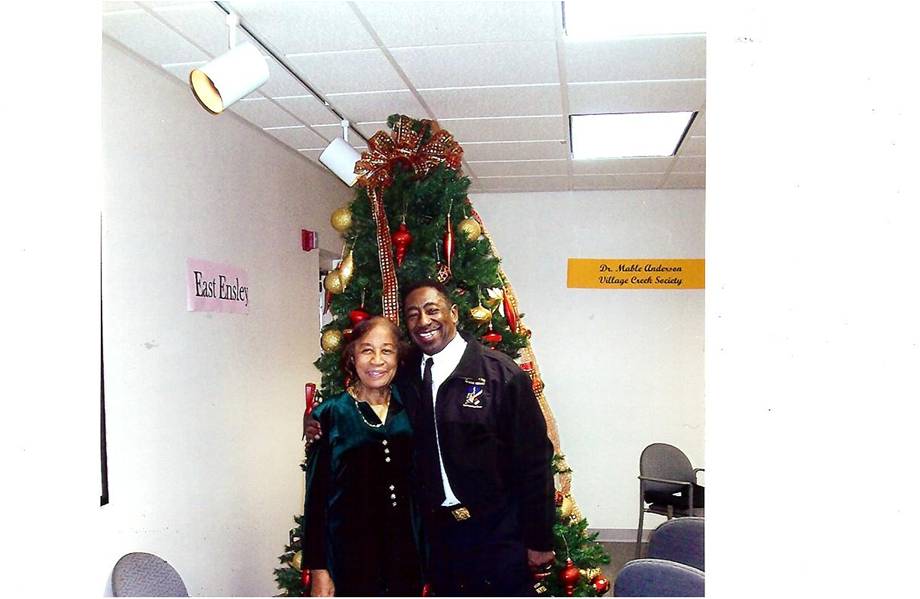
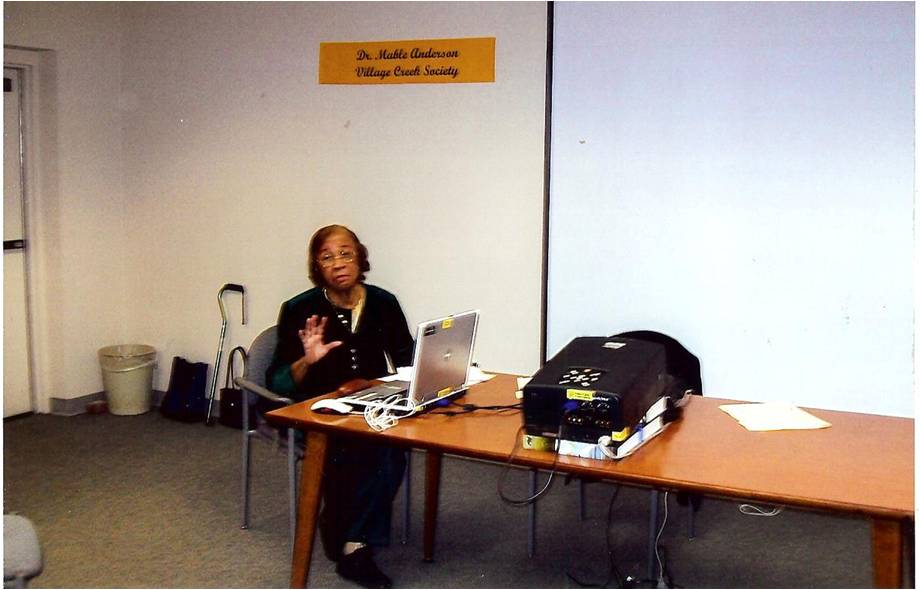
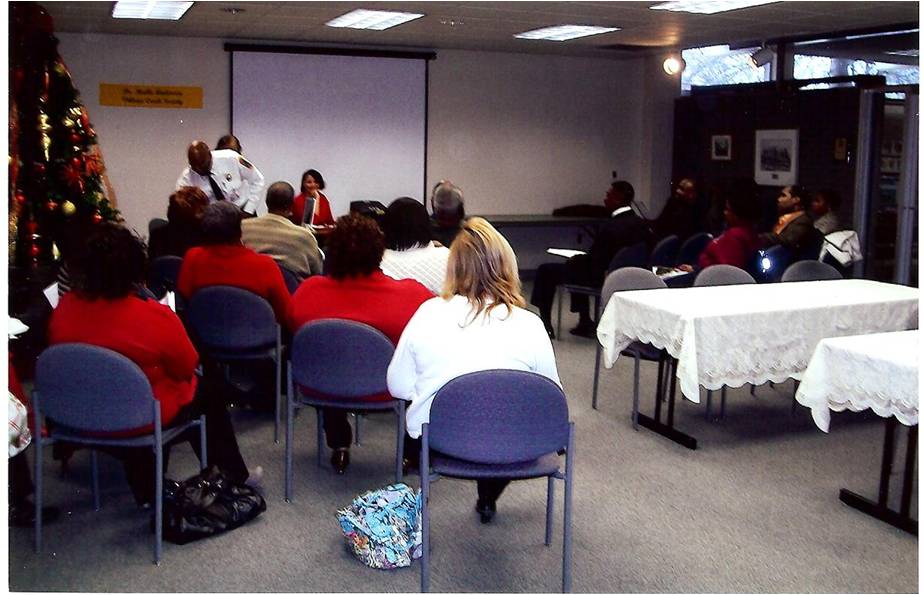
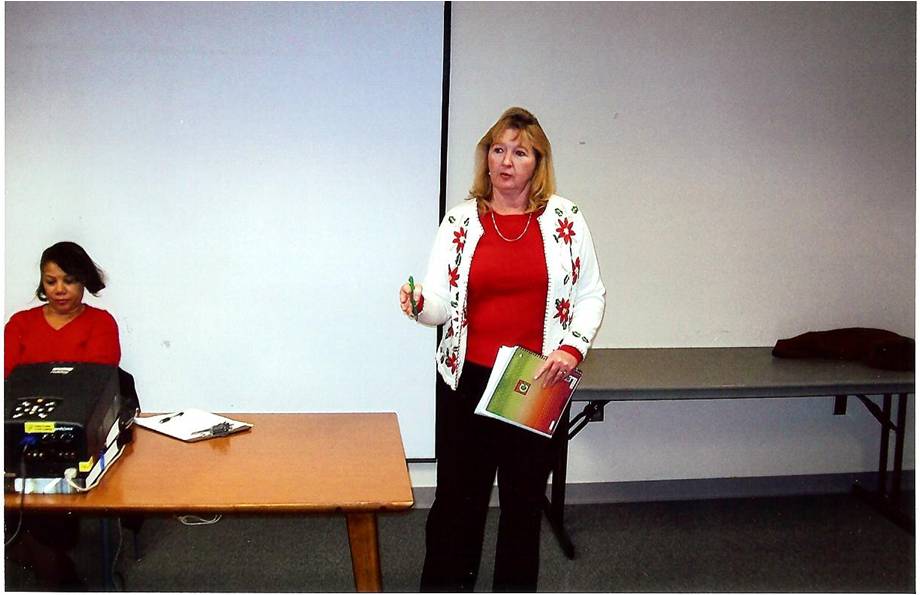
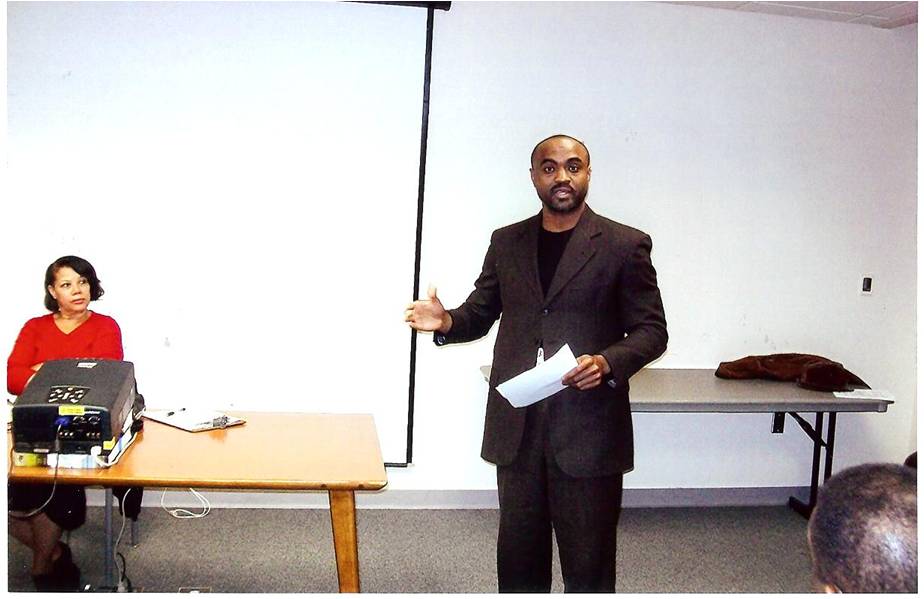
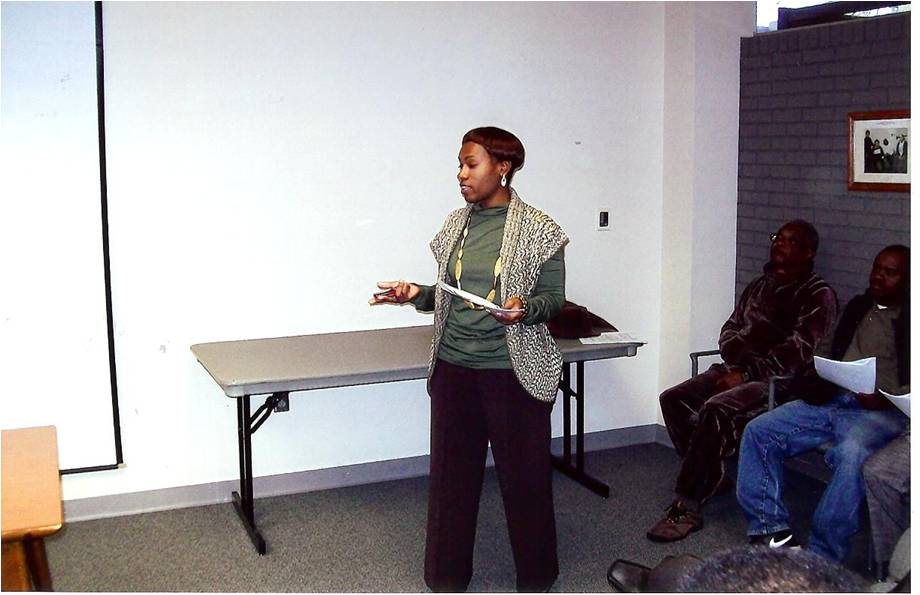
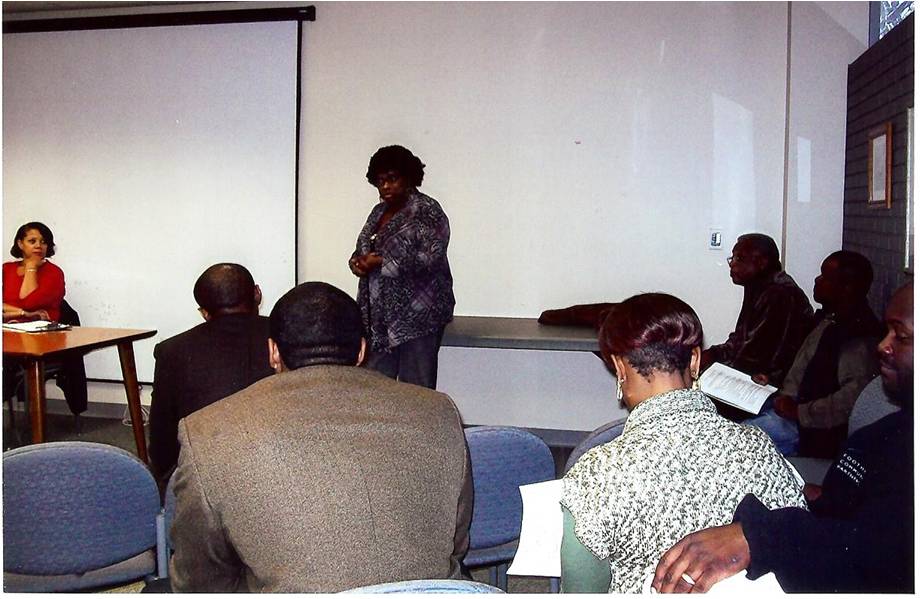
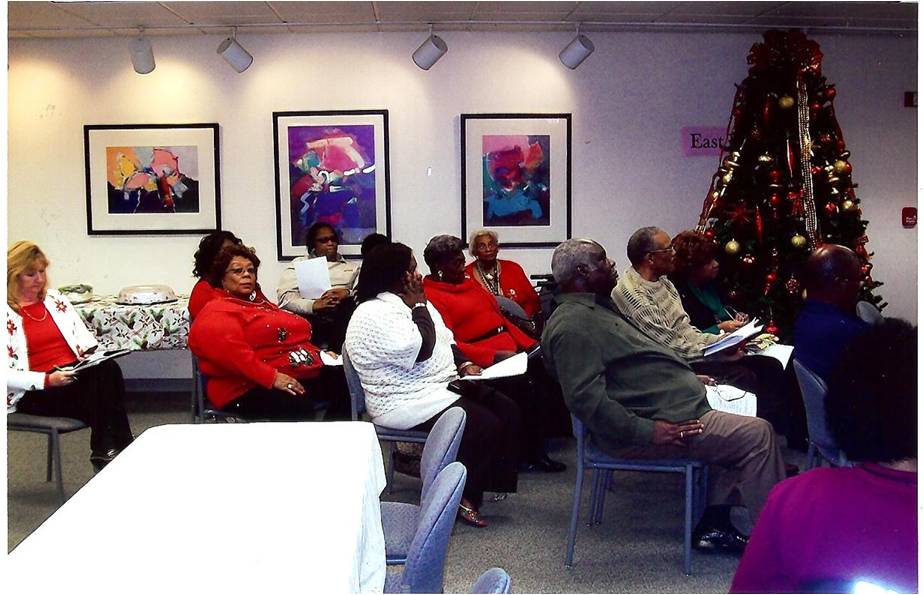
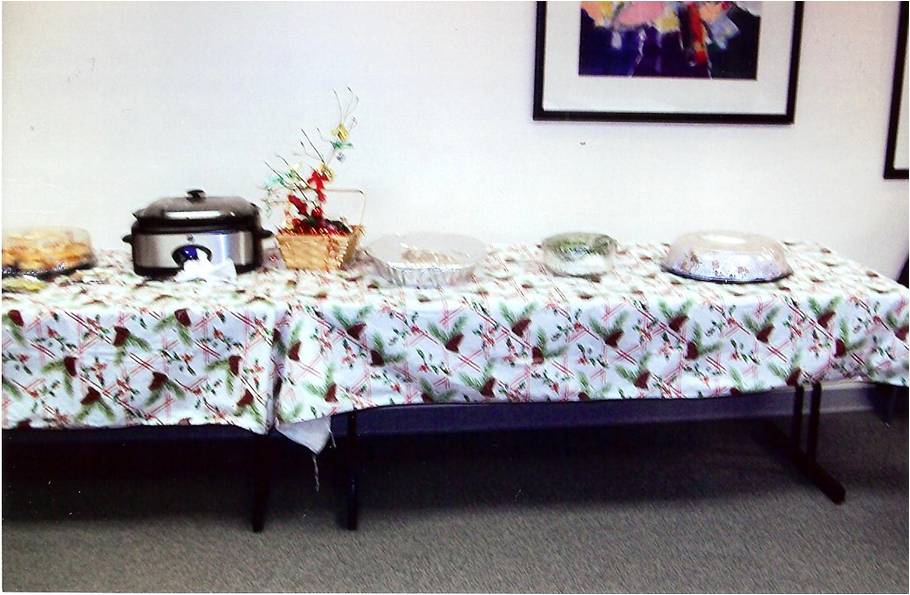
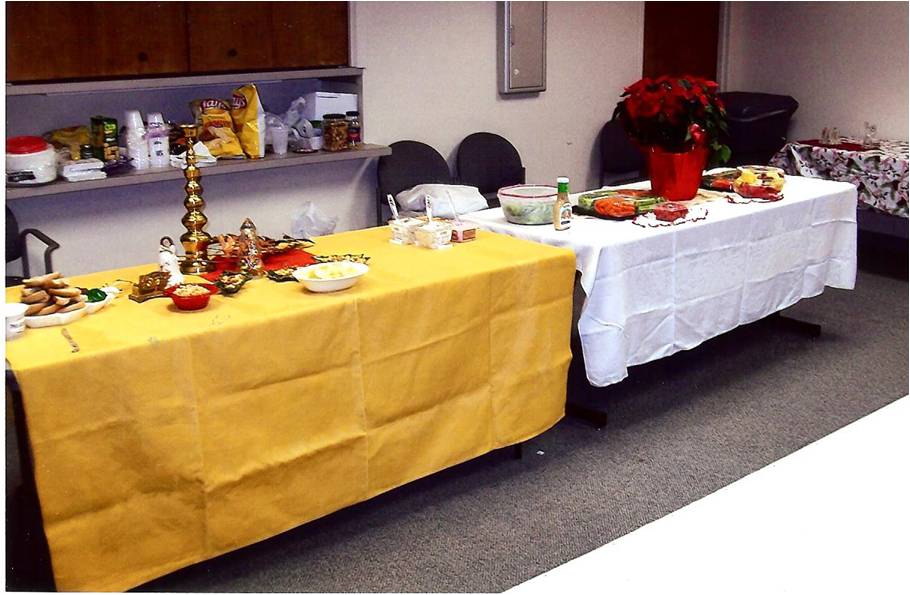
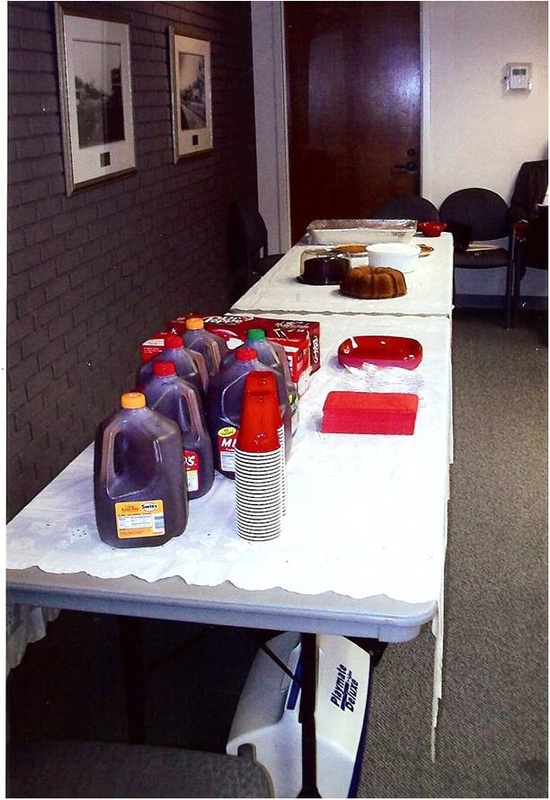
The Christmas Party Begins
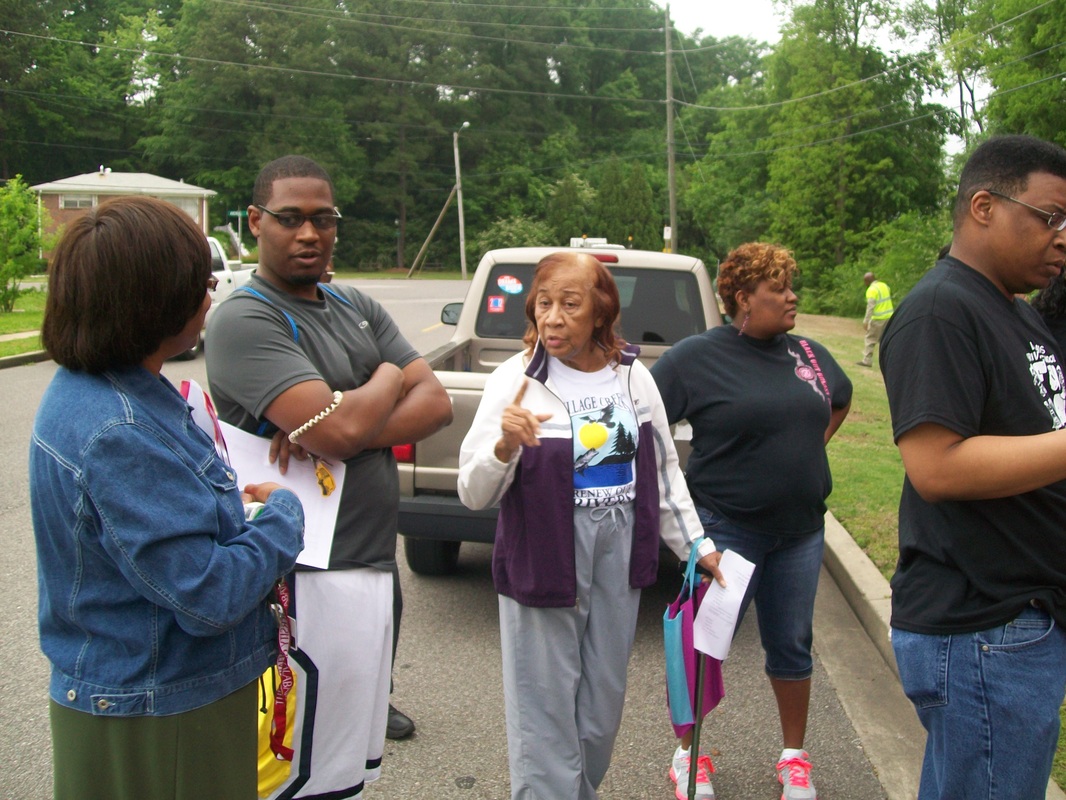
VCS Fall Clean Up
September 2011
Spirit of Alabama - Richard Woodruff
NBC 13 News
BY: Scott Brown
Published: June 16, 2010
They don’t build dams in Alabama any more.
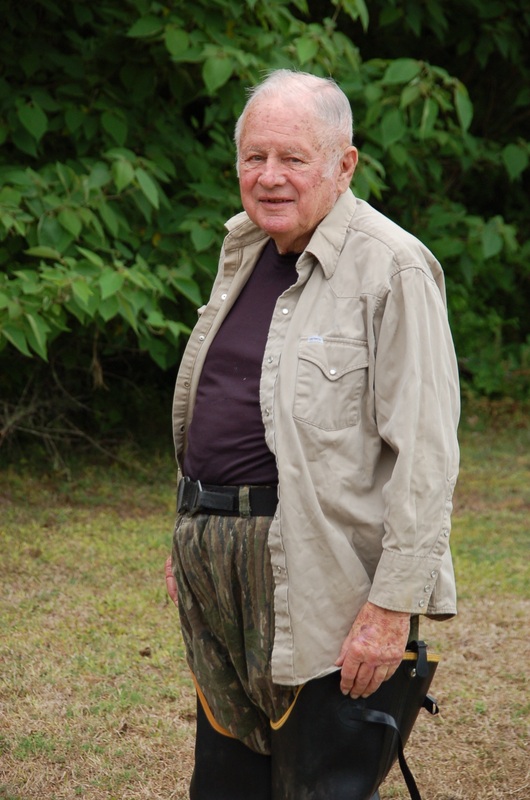
But, a 97-year-old engineer who was involved in finishing the construction of the dams on the Coosa River is still going strong.
Engineering runs in his veins.
His name is Richard Woodruff and his goal is to return Village Creek to pristine condition.
-
But, a 97-year-old engineer who was involved in finishing the construction of the dams on the Coosa River is still going strong.
Engineering runs in his veins.
His name is Richard Woodruff and his goal is to return Village Creek to pristine condition.
-
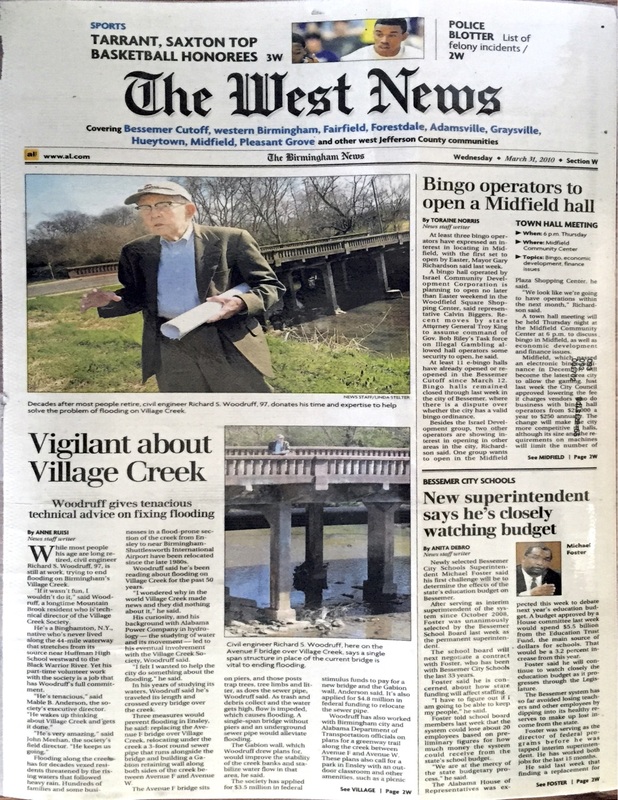
The Birmingham News, West Section, March 31, 2010
Vigilant about Village Creek: Woodruff gives tenacious technical advice on fixing flooding
The Birmingham News, West News Section
BY: Anne Ruisi, New Staff Writer
Published: March 31, 2010
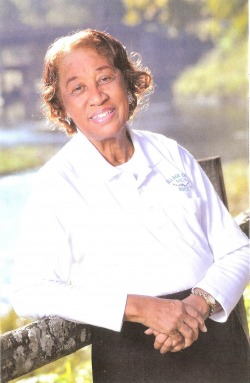
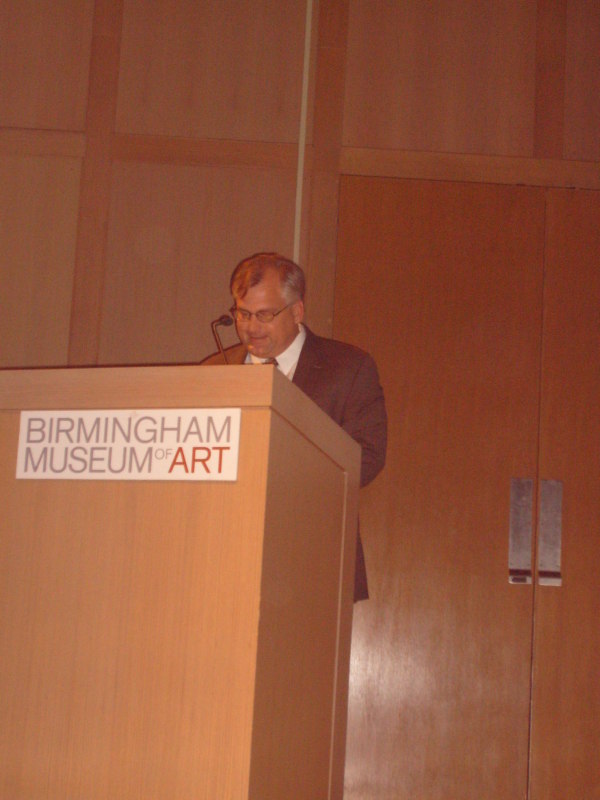
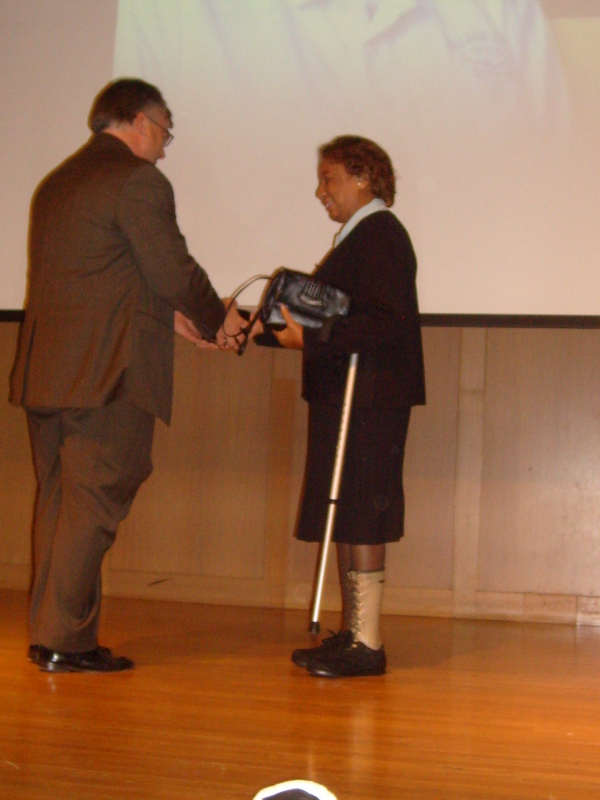
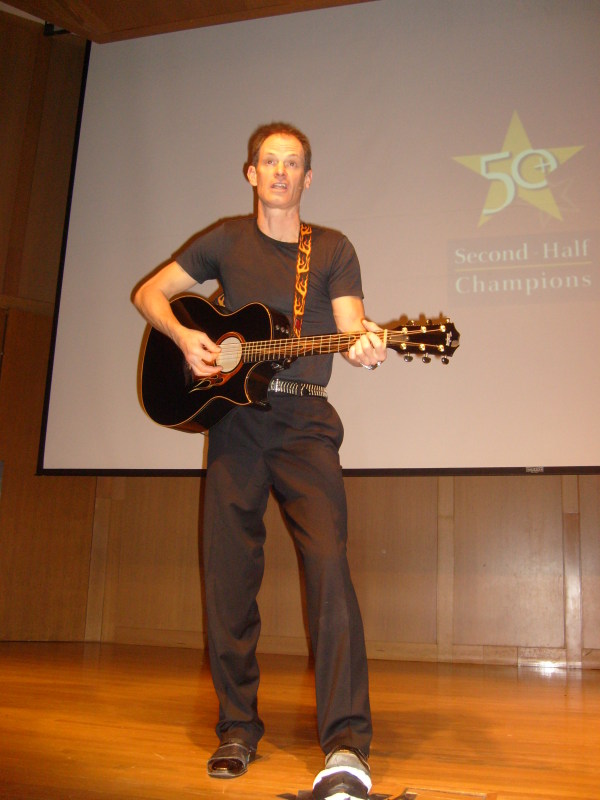
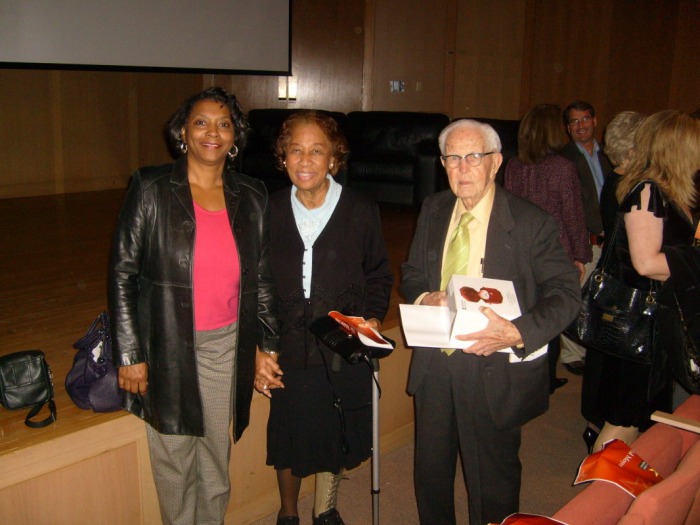
Wells Fargo Second-Half Champion - Dr. Mable Bell Anderson
Nominated by friend, John C. Meehan
Wednesday, December 2, 2009
Birmingham, AL
 |
 |
Raised by strict yet motivating, loving parents, Mable excelled in academics and graduated from high school at age 15. Mable went on to attend college at Tuskegee Institute. When it came time to apply for graduate school, Mable was granted acceptance to Michigan State University. Mable, the only black female in the graduate school, earned her master's degree from Michigan State and went on to earn her doctorate degree in developmental psychology from Pennsylvania State University. Mable launched what would become her lifelong career teaching developmental psychology at Penn State, and then establishing master's degree programs at universities throughout the United States.
As Mable's parents began to age, she traveled back to Birmingham monthly to check on them, and eventually, she moved there to care for them. During that time, the Village Creek/Ensley area where her parents lived flooded several times. Some Birmingham residents appealed to Mable to help them organize a plan to deal with the flooding. Mable attended a Corps of Engineers meeting and discovered there were plans in place to move Village Creek residents out of their neighborhoods. Mable mobilized residents into a coalition and was able to prevent the displacement of the residents. However, the flooding was yet to be dealt with.
Mable's parents passed away, and she vowed to honor them by helping her community combat the flooding of Village Creek. Mable formed a second coalition and traveled to Washington, D.C. to pursue assistance from the Department of the Interior. Using her psychology training and innate ability to never accept defeat, Mable secured a $5 million Federal Emergency Management Agency (FEMA) grant, which enabled the city of Birmingham to relocate residents to 135 homes outside of the flood zone.
Today, this Second-Half Champion is the founder and Pro Bona Executive Director of the Village Creek Human and Environmental Justice Society (VCS). The organization is working to re-engineer and restore the flood-prone areas of Village Creek and has repurposed part of that property as a learning and recreation area for high school students. Mable's major focus now is to raise funding for construction to eliminate bank erosion and stabilize the flow of Village Creek, and to at long last solve the flooding problem in the area. her Dream is to make a 75-acre learning and recreation park at the site where families once endured the flooding of their homes. Says Dr. Anderson, "We have two ages: our chronological age and our activity age. We have to keep going and keep doing."
Click Here to watch the presented video.
As Mable's parents began to age, she traveled back to Birmingham monthly to check on them, and eventually, she moved there to care for them. During that time, the Village Creek/Ensley area where her parents lived flooded several times. Some Birmingham residents appealed to Mable to help them organize a plan to deal with the flooding. Mable attended a Corps of Engineers meeting and discovered there were plans in place to move Village Creek residents out of their neighborhoods. Mable mobilized residents into a coalition and was able to prevent the displacement of the residents. However, the flooding was yet to be dealt with.
Mable's parents passed away, and she vowed to honor them by helping her community combat the flooding of Village Creek. Mable formed a second coalition and traveled to Washington, D.C. to pursue assistance from the Department of the Interior. Using her psychology training and innate ability to never accept defeat, Mable secured a $5 million Federal Emergency Management Agency (FEMA) grant, which enabled the city of Birmingham to relocate residents to 135 homes outside of the flood zone.
Today, this Second-Half Champion is the founder and Pro Bona Executive Director of the Village Creek Human and Environmental Justice Society (VCS). The organization is working to re-engineer and restore the flood-prone areas of Village Creek and has repurposed part of that property as a learning and recreation area for high school students. Mable's major focus now is to raise funding for construction to eliminate bank erosion and stabilize the flow of Village Creek, and to at long last solve the flooding problem in the area. her Dream is to make a 75-acre learning and recreation park at the site where families once endured the flooding of their homes. Says Dr. Anderson, "We have two ages: our chronological age and our activity age. We have to keep going and keep doing."
Click Here to watch the presented video.
Make public transit a right
by John Meehan
The Birmingham News
Published: Sunday, December 18, 2005
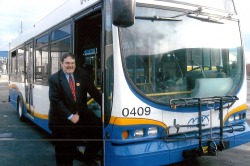
In 1955, Rosa Parks was arrested for refusing to give up her seat to a white man on a city bus in Montgomery. Her arrest paved the way for a movement that would change the world.
Fifty years have passed since the Montgomery bus boycott. The movement brought many changes to public transportation. Today, not only are African Americans employed as bus drivers, many of them hold top administrative positions in public transportation.
Sadly, 50 years after the bus boycott, the state of Alabama still doesn't provide funding for public transportation. Alabama is one of five states and the only state east of the Mississippi river that doesn't invest in public transit.
As a result, Alabama leads the nation in the percentage of people who commute alone - about 1.6 million, or 85.4 percent of workers in the state.
Unfortunately, public officials in Alabama are not taking the lead in making funding for public transportation a top priority. Since the mid-1990s, advocates for public transit have proposed a variety of plans for dedicating a portion of the stat's has taxes and vehicle license fees for public transit. Their efforts failed as the Alabama Department of Transportation joined with roadbuilders to oppose efforts to give the people of this state a vote on a constitutional amendment that would allow gas tax revenues to be used for public transportation.
Public transit is an economic issue. communities around Alabama must meet the challenges that connect people to their places of employment as well as to retail services, health care and education opportunities.
Public transit also is a health and safety issue. Nearly half of the residents in Alabama live in areas with unhealthy air pollution levels. Our dependence on our own vehicles not only creates air pollution and other hazards, it also adds to the high volume of traffic, which increases the war and tear on roads and bridges. That, in turn, increases the risk of highway accidents.
Finally, public transit is a social justice issue. For many years, public policy in Alabama has placed more emphasis on highway development than public transportation, which contributes to white flight from inner cities to the suburbs. A lot of service industry jobs are in the suburban areas, making it very difficult for people without their own transportation to get to these jobs.
Alabama must make public transportation a right. Our elected officials, especially state legislators, must give the people a voice on a constitutional amendment that allows the state to fund public transportation. Or, it's business as usual.
Let the people of Alabama decide.
Fifty years have passed since the Montgomery bus boycott. The movement brought many changes to public transportation. Today, not only are African Americans employed as bus drivers, many of them hold top administrative positions in public transportation.
Sadly, 50 years after the bus boycott, the state of Alabama still doesn't provide funding for public transportation. Alabama is one of five states and the only state east of the Mississippi river that doesn't invest in public transit.
As a result, Alabama leads the nation in the percentage of people who commute alone - about 1.6 million, or 85.4 percent of workers in the state.
Unfortunately, public officials in Alabama are not taking the lead in making funding for public transportation a top priority. Since the mid-1990s, advocates for public transit have proposed a variety of plans for dedicating a portion of the stat's has taxes and vehicle license fees for public transit. Their efforts failed as the Alabama Department of Transportation joined with roadbuilders to oppose efforts to give the people of this state a vote on a constitutional amendment that would allow gas tax revenues to be used for public transportation.
Public transit is an economic issue. communities around Alabama must meet the challenges that connect people to their places of employment as well as to retail services, health care and education opportunities.
Public transit also is a health and safety issue. Nearly half of the residents in Alabama live in areas with unhealthy air pollution levels. Our dependence on our own vehicles not only creates air pollution and other hazards, it also adds to the high volume of traffic, which increases the war and tear on roads and bridges. That, in turn, increases the risk of highway accidents.
Finally, public transit is a social justice issue. For many years, public policy in Alabama has placed more emphasis on highway development than public transportation, which contributes to white flight from inner cities to the suburbs. A lot of service industry jobs are in the suburban areas, making it very difficult for people without their own transportation to get to these jobs.
Alabama must make public transportation a right. Our elected officials, especially state legislators, must give the people a voice on a constitutional amendment that allows the state to fund public transportation. Or, it's business as usual.
Let the people of Alabama decide.